String Cheese Nutrition Facts: Calories, Protein & Allergens

TL;DR: String cheese nutrition facts show that one stick (28g) typically contains 80 calories, 6g protein, 6g fat, and 1g carbohydrates. It provides 15-20% daily calcium and is a convenient, portable snack. However, individuals should scan product labels to check for allergens, additives, and preservatives that vary by brand.
Frequently Asked Questions

What are the basic nutrition facts for string cheese?
A typical string cheese stick (28g) contains approximately 80 calories, 6 grams of protein, 6 grams of fat, and 1 gram of carbohydrates. It provides 15-20% of daily calcium needs and contains about 200mg of sodium. String cheese is naturally gluten-free and offers essential nutrients like vitamin A and phosphorus, making it a convenient, portable protein snack.
Is string cheese a healthy snack option for weight management?
String cheese can be an excellent snack for weight management due to its balanced macronutrient profile. With 80 calories and 6 grams of protein per stick, it promotes satiety and helps control hunger between meals. The portion-controlled format prevents overeating, and the protein content supports muscle maintenance during calorie restriction, making it ideal for commercial diet plans.
Does string cheese contain common allergens I should know about?
String cheese contains milk, which is one of the major allergens. People with lactose intolerance may experience digestive issues, though some can tolerate it due to its lower lactose content compared to fluid milk. Using an allergen checker app can help identify specific brands and verify whether traces of other allergens are present in manufacturing facilities.
How does string cheese nutrition compare to regular cheese?
String cheese nutrition is similar to mozzarella cheese since most string cheese is made from low-moisture mozzarella. Compared to cheddar or Swiss, string cheese typically has slightly fewer calories and less fat per ounce. It contains comparable protein levels and is naturally lower in sodium than processed cheese products, making it a healthier portable option.
Can people with gluten sensitivities safely eat string cheese?
Yes, string cheese is naturally gluten-free as it's made from milk, cultures, enzymes, and salt. However, always check labels for potential cross-contamination or added ingredients. Some flavored varieties may contain gluten-containing additives. Using an allergen scanning app helps verify gluten-free status, especially for those with celiac disease or severe gluten sensitivities.
What additives and preservatives are typically found in string cheese?
Most string cheese contains minimal additives, primarily consisting of milk, salt, enzymes, and bacterial cultures. Some brands may include calcium chloride for texture, citric acid for flavor, and vitamin A palmitate for fortification. Premium brands often have no preservatives, while budget options might contain natamycin (a natural mold inhibitor). Scanning barcodes with allergen apps reveals specific additives.
How much protein does string cheese provide compared to other snacks?
String cheese delivers 6 grams of complete protein per stick, matching or exceeding many popular snacks. This equals the protein in one egg or 3/4 cup of milk. Compared to chips, crackers, or fruit, string cheese offers significantly more protein, making it superior for muscle recovery, satiety, and blood sugar stabilization in commercial nutrition plans.
Are there low-sodium or reduced-fat string cheese options available?
Yes, many brands offer reduced-fat string cheese with 50 calories and 2.5 grams of fat per stick, though protein content remains similar. Low-sodium versions contain 100-140mg sodium versus 200mg in regular varieties. While these options reduce certain nutrients, they maintain calcium and protein benefits. Check nutrition labels or use scanning apps to compare specific brands and varieties.
Understanding String Cheese Nutrition Facts: A Complete Guide

String cheese has become a staple snack for both children and adults, offering convenience and portability in a single-serving format. When examining string cheese nutrition facts, it's essential to understand not only the macronutrient composition but also potential allergens, additives, and how this popular snack fits into various dietary patterns. Whether you're managing food allergies or simply seeking healthier snack options, knowing what's inside your string cheese can help you make informed choices.
This comprehensive guide breaks down everything you need to know about string cheese nutrition, from calorie content to allergen information, helping you navigate your dietary needs with confidence.
What Is String Cheese and How Is It Made?

String cheese is typically made from low-moisture mozzarella cheese that has been heated and stretched during production. This stretching process aligns the milk proteins in parallel strands, creating the characteristic stringy texture that makes this snack so appealing, especially to children.
The basic ingredients in most string cheese products include:
- Pasteurized milk (whole or part-skim)
- Cheese cultures
- Salt
- Enzymes (typically rennet)
Some manufacturers may add preservatives or other ingredients to extend shelf life or enhance flavor. Understanding these additions becomes crucial for those with specific dietary restrictions or sensitivities.
Complete String Cheese Nutrition Facts Breakdown
A typical single serving of string cheese (approximately 28 grams or 1 ounce) contains the following nutritional profile:
| Nutrient | Amount | % Daily Value |
|---|---|---|
| Calories | 80-85 | 4% |
| Total Fat | 6g | 8% |
| Saturated Fat | 3.5g | 18% |
| Cholesterol | 15-20mg | 5-7% |
| Sodium | 150-200mg | 7-9% |
| Total Carbohydrates | 1g | 0% |
| Protein | 6-7g | 12-14% |
| Calcium | 200mg | 15-20% |
Calorie Content and Macronutrient Distribution
String cheese provides a relatively low-calorie snack option with approximately 80 calories per stick. The macronutrient distribution makes it particularly appealing for those following high-protein or low-carbohydrate diets.
The protein content (6-7 grams per serving) makes string cheese an excellent option for post-workout recovery or as a satiating snack between meals. The minimal carbohydrate content (typically less than 1 gram) positions it well for ketogenic or low-carb dietary patterns.
Micronutrient Benefits
Beyond macronutrients, string cheese offers several important micronutrients:
- Calcium: Provides 15-20% of daily needs, supporting bone health
- Phosphorus: Works with calcium for skeletal support
- Vitamin A: Supports vision and immune function
- Vitamin B12: Essential for nerve function and red blood cell production
- Zinc: Supports immune health and wound healing
Allergen Information for String Cheese
Understanding allergen content is critical for individuals with food sensitivities. String cheese contains milk as its primary ingredient, making it unsuitable for those with dairy allergies or lactose intolerance.
Common Allergens in String Cheese
The primary allergen concern with string cheese is milk/dairy, which is one of the top eight major food allergens recognized by regulatory agencies. For parents managing children's dietary restrictions and allergies, this information is essential for safe snack selection.
Using an allergy checker app can help you quickly scan product barcodes to identify allergens before purchase. Modern food allergy apps can detect up to 13 different allergens, providing peace of mind for those with multiple sensitivities.
Lactose Content Considerations
While string cheese does contain lactose, the fermentation process during cheese production reduces lactose content compared to fluid milk. Some individuals with mild lactose intolerance may tolerate string cheese better than other dairy products, though this varies significantly between individuals.
Additives and Preservatives in String Cheese
Health-conscious consumers avoiding additives and preservatives should carefully examine string cheese ingredient labels. While basic string cheese contains minimal additives, some brands include additional ingredients for preservation or flavor enhancement.
Common Additives Found in String Cheese
Some string cheese products may contain:
- Natamycin: A natural mold inhibitor applied to the surface
- Cellulose powder: An anti-caking agent to prevent sticking
- Citric acid: Used for pH regulation and preservation
- Natural flavors: To enhance taste profiles
While these additives are generally recognized as safe, individuals seeking to minimize processed ingredients should look for brands with shorter ingredient lists. Some specialty products contain compounds like hydroxy stearic acid or methane sulfonic acid in their processing, though these are less common in standard string cheese products.
Organic and Natural Options
For those prioritizing minimal processing, organic string cheese options are available that use milk from grass-fed cows and avoid synthetic additives. These products typically command a higher price point but offer cleaner ingredient profiles.
String Cheese for Special Diets
Gluten-Free Compatibility
String cheese is naturally gluten-free, as it contains no wheat, barley, or rye ingredients. This makes it an excellent snack option for individuals with celiac disease or gluten sensitivities. However, always verify labels for potential cross-contamination warnings if you have severe gluten sensitivity.
For those seeking other gluten-free snack options, consider exploring gluten free dairy free snacks if you need to avoid both allergen categories. Just as consumers search for gluten free cheese-its or gluten free wheat free beer alternatives, string cheese offers a naturally safe option without requiring specialty formulation.
Ketogenic and Low-Carb Diets
With less than 1 gram of carbohydrates per serving, string cheese fits perfectly into ketogenic and low-carb eating patterns. The high protein and moderate fat content support ketosis while providing sustained energy.
High-Protein Snacking
Athletes and fitness enthusiasts often incorporate string cheese into their nutrition plans due to its convenient protein delivery. The 6-7 grams of complete protein per stick provides all essential amino acids needed for muscle repair and growth.
| Snack Option | Calories | Protein (g) | Carbs (g) |
|---|---|---|---|
| String Cheese (1 oz) | 80 | 6-7 | 1 |
| Greek Yogurt (5.3 oz) | 100 | 17 | 6 |
| Hard-Boiled Egg (1 large) | 78 | 6 | 0.6 |
| Almonds (1 oz) | 164 | 6 | 6 |
Comparing String Cheese Brands and Varieties
Not all string cheese products are created equal. Different brands and varieties offer varying nutritional profiles based on milk source, processing methods, and added ingredients.
Full-Fat vs. Part-Skim String Cheese
Many manufacturers offer both full-fat and part-skim versions of string cheese. Part-skim varieties typically contain:
- Slightly fewer calories (approximately 60-70 per stick)
- Reduced fat content (4-5g vs. 6g)
- Similar protein levels
- Comparable calcium content
The choice between full-fat and part-skim depends on individual dietary goals and preferences. Full-fat versions may provide greater satiety, while part-skim options suit those monitoring total fat intake.
Flavored String Cheese Options
Beyond traditional mozzarella, flavored string cheese varieties include cheddar, pepper jack, and colby-jack blends. These flavored options may contain:
- Slightly higher sodium content
- Additional spices or flavorings
- Comparable protein and calcium levels
- Similar calorie counts
How String Cheese Fits Into Balanced Nutrition
While string cheese offers numerous nutritional benefits, it should be consumed as part of a balanced diet rather than as a primary protein source.
Portion Control Considerations
The pre-portioned nature of string cheese makes it excellent for portion control. One stick provides a satisfying snack without excessive calories, making it easier to manage daily caloric intake compared to larger cheese blocks that require self-portioning.
Sodium Content Awareness
With 150-200mg of sodium per serving, string cheese contributes 7-9% of the recommended daily sodium limit. While moderate, individuals monitoring sodium intake should account for this when planning daily meals, especially if consuming multiple servings.
Pairing String Cheese for Complete Nutrition
To create more balanced snacks, consider pairing string cheese with:
- Fresh fruits (apples, grapes, or berries) for fiber and vitamins
- Whole grain crackers for complex carbohydrates
- Raw vegetables (carrots, celery, or bell peppers) for additional nutrients
- Nuts for healthy fats and additional protein
These combinations provide more comprehensive nutrition while keeping calorie counts reasonable. Just as you might use a chipotle nutrition calculator to track your meal macros or review chipotle nutrition info before ordering, being mindful of snack combinations helps optimize nutritional intake.
Storage and Food Safety for String Cheese
Proper storage ensures string cheese maintains its nutritional quality and remains safe for consumption.
Refrigeration Requirements
String cheese must be refrigerated at temperatures below 40°F (4°C) to prevent bacterial growth. Unopened packages typically last 1-2 months past the printed date when properly refrigerated, while opened packages should be consumed within 5-7 days.
Travel and Lunch Box Considerations
String cheese can remain unrefrigerated for 2-4 hours without significant food safety concerns, making it suitable for lunch boxes and short trips. For extended periods, use insulated containers with ice packs to maintain safe temperatures.
Reading Labels and Making Informed Choices
Understanding how to read nutrition labels empowers consumers to make choices aligned with their dietary needs and health goals.
Key Label Components to Review
When evaluating string cheese products, examine:
- Ingredient list: Shorter lists typically indicate less processing
- Allergen statements: Critical for those with food allergies
- Nutrition facts panel: Compare sodium, fat, and protein across brands
- Serving size: Ensure you're comparing equivalent portions
- Date codes: Select products with longer shelf life remaining
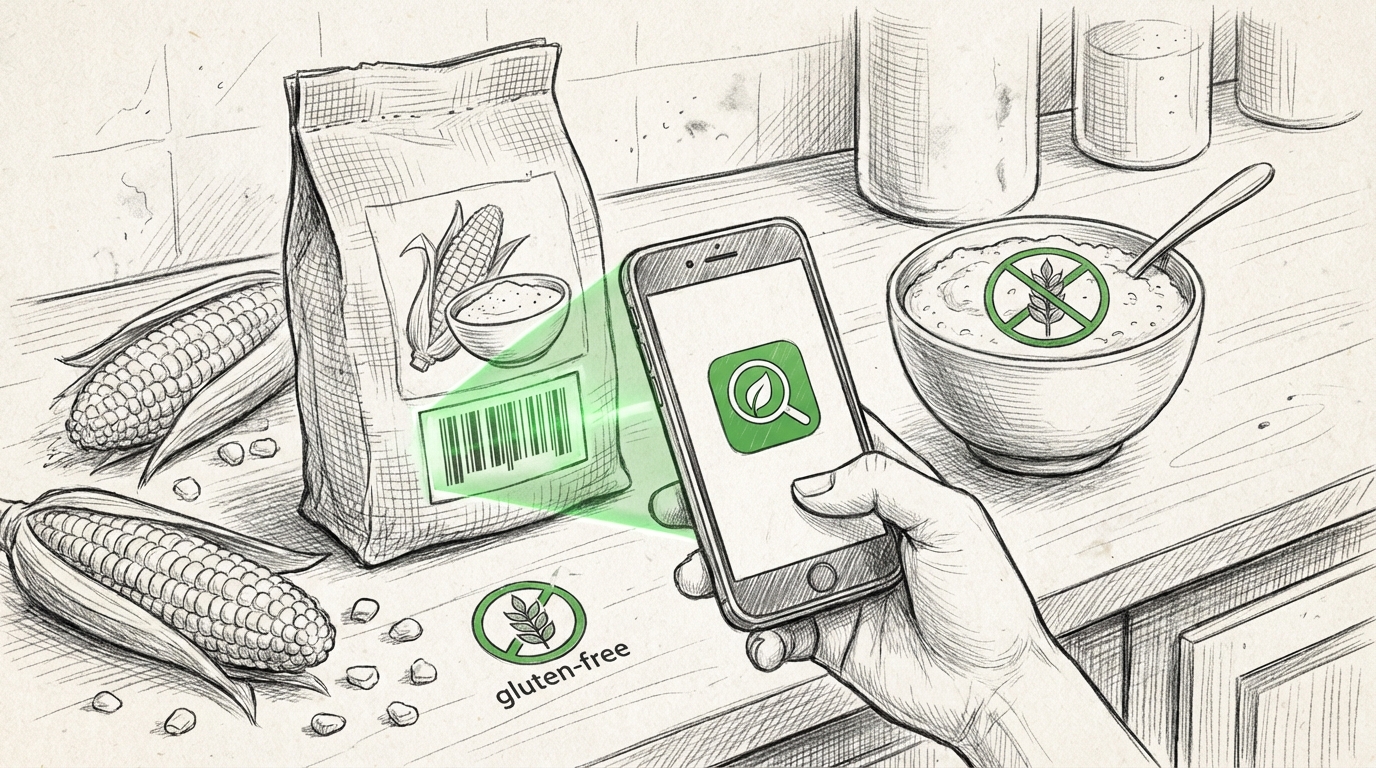
Technology can simplify this process significantly. Using a food allergy scanner app allows you to quickly scan barcodes and receive instant information about allergens, additives, and nutritional content. This is particularly valuable when shopping with children or managing multiple dietary restrictions.
Understanding Percent Daily Values
The percent daily value (%DV) on nutrition labels indicates how much a nutrient in one serving contributes to a daily diet based on a 2,000-calorie reference. String cheese provides significant calcium (15-20% DV) while contributing relatively modest amounts of sodium and saturated fat.
Environmental and Ethical Considerations
Beyond personal nutrition, some consumers consider the broader impact of their food choices.
Sustainable and Organic Options
Organic string cheese products use milk from cows raised without antibiotics or synthetic hormones. These products often come from farms with more sustainable practices, though they typically cost 20-40% more than conventional options.
Packaging Considerations
Individual string cheese sticks generate more packaging waste than larger cheese blocks. Some brands now offer recyclable or reduced-plastic packaging options for environmentally conscious consumers.
String Cheese Alternatives for Dairy-Free Diets
For individuals who cannot consume dairy, several alternatives attempt to replicate the string cheese experience:
- Cashew-based string cheese: Made from cashew milk and cultures
- Almond milk cheese sticks: Lower in protein but dairy-free
- Soy-based alternatives: Higher protein content but different texture
- Coconut milk options: Unique flavor profile with moderate nutrition
These alternatives typically contain different nutritional profiles, often with less protein and calcium than traditional string cheese unless fortified. Always check labels carefully, as some contain poly carboxylic acid or other stabilizers to achieve the desired texture.
Common Questions About String Cheese Nutrition
Is String Cheese Processed?
String cheese undergoes processing to create its characteristic texture, but it's generally considered a minimally processed food. It contains real cheese as the primary ingredient with few additives compared to highly processed cheese products like American singles.
Can String Cheese Help With Weight Management?
String cheese can support weight management goals when consumed as part of a balanced diet. Its high protein content promotes satiety, potentially reducing overall calorie consumption. The pre-portioned format also helps prevent overeating compared to cutting portions from larger cheese blocks.
How Does String Cheese Compare to Other Cheeses Nutritionally?
String cheese (mozzarella-based) generally contains fewer calories and less fat than aged hard cheeses like cheddar or parmesan. However, it provides similar protein and calcium levels, making it a nutritionally competitive option within the cheese category.
Conclusion: Making String Cheese Work for Your Nutrition Goals
String cheese offers a convenient, nutritious snack option that fits well into various dietary patterns. With approximately 80 calories, 6-7 grams of protein, and 20% of daily calcium needs per serving, it provides substantial nutritional value in a portable format.
For individuals with food allergies or those seeking to avoid specific additives, carefully reviewing labels remains essential. The dairy content makes it unsuitable for those with milk allergies, but its naturally gluten-free composition and minimal carbohydrate content make it compatible with many dietary restrictions.
Whether you're packing school lunches, seeking post-workout nutrition, or simply looking for a satisfying snack, understanding string cheese nutrition facts empowers you to make informed choices that align with your health goals.
Take control of your food choices and manage dietary restrictions with confidence. Visit Nutrict to download our food allergy scanner app and instantly identify allergens, additives, and nutritional information in thousands of products. Available on both iOS and Android, Nutrict helps you make safer, more informed decisions every time you shop.
Article created using IntentRank