Shake Shack Nutrition Info: Complete Calorie Guide 2024
TL;DR: Shake Shack nutrition info is available on their website and mobile app, detailing calories, fat, protein, carbohydrates, and sodium for all menu items. A ShackBurger contains approximately 530 calories, while their regular fries have 420 calories. Allergen information is also provided for guests with dietary restrictions and food sensitivities.
Frequently Asked Questions
What nutritional information does Shake Shack provide for their menu items?
Shake Shack provides comprehensive nutrition info including calories, total fat, saturated fat, trans fat, cholesterol, sodium, carbohydrates, dietary fiber, sugars, and protein for all menu items. This information is available on their official website and mobile app. Customers can also find allergen information for the 13 major allergens to help make informed dietary choices.
How can I check for allergens in Shake Shack menu items?
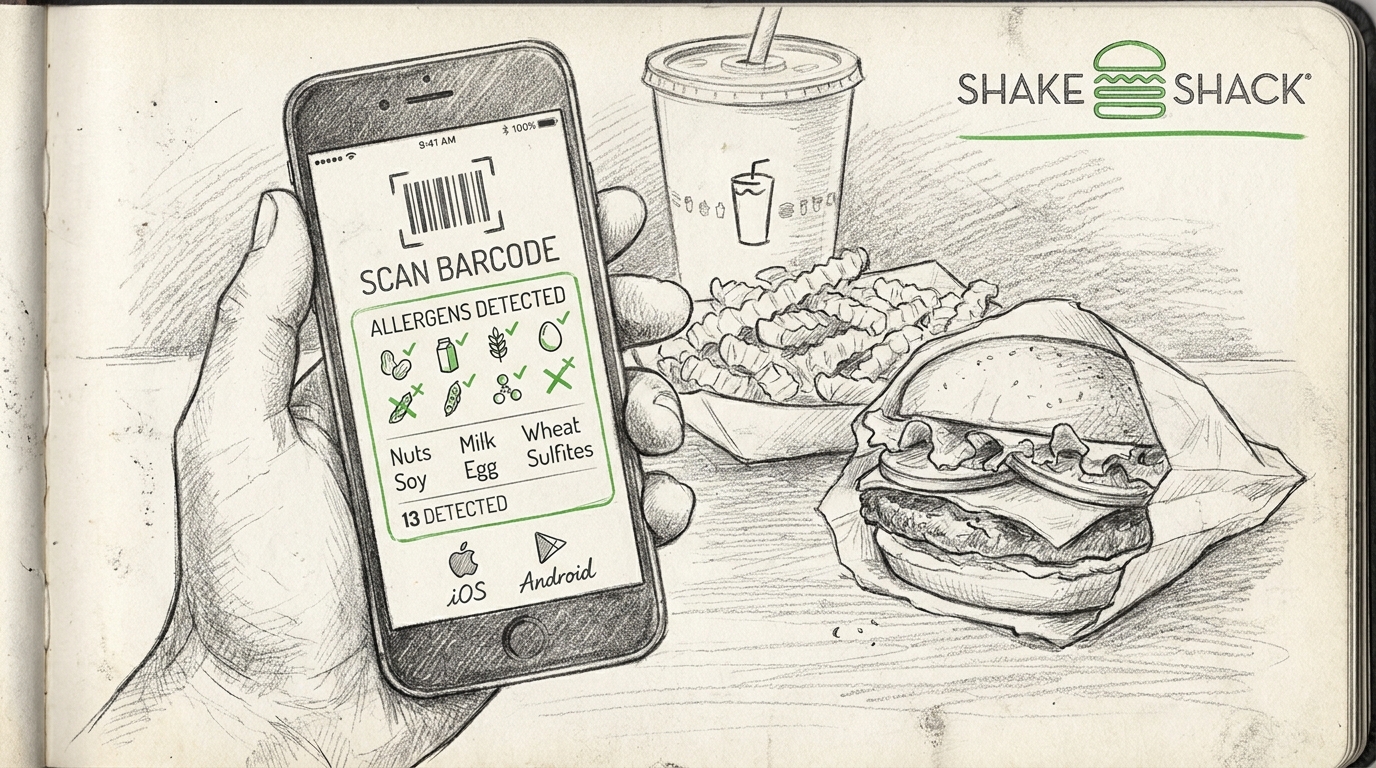
You can check Shake Shack allergens using their official allergen menu guide or by using an allergy checker app that scans product barcodes. These apps detect 13 different allergens including milk, eggs, fish, shellfish, tree nuts, peanuts, wheat, and soy. Shake Shack also provides detailed allergen information on their website and in-store upon request.
Does Shake Shack offer gluten-free options on their menu?
Shake Shack offers a gluten-free bun option for burgers, though they note that cross-contamination may occur during preparation. Their crinkle-cut fries are gluten-free, but they're cooked in shared fryers. For those seeking gluten free wheat free alternatives, it's important to review their allergen guide and inform staff about dietary restrictions when ordering.
What is the calorie count for popular Shake Shack items?
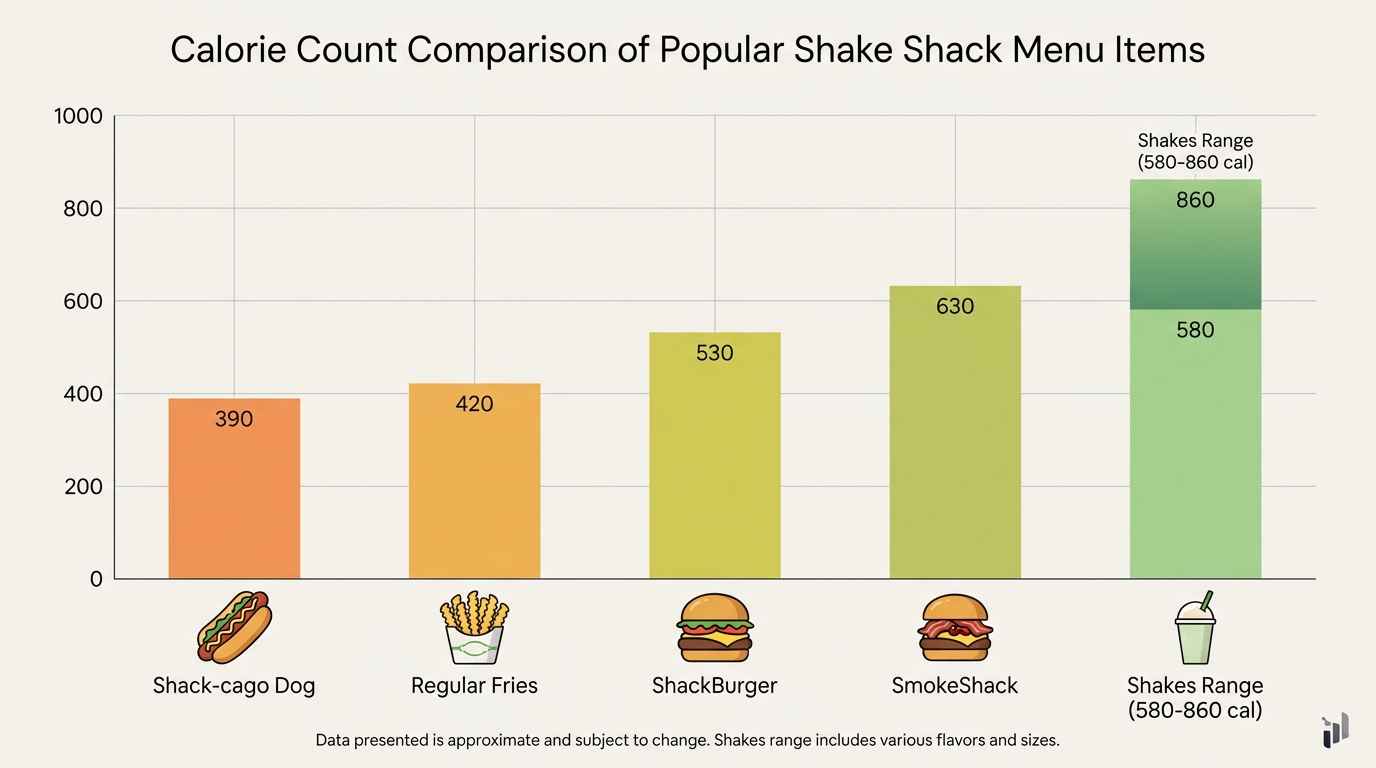
Popular Shake Shack items vary in calories: a ShackBurger contains approximately 530 calories, a SmokeShack has around 630 calories, and a Shack-cago Dog has about 390 calories. Shakes range from 580-860 calories depending on flavor and size. For accurate shake shack nutrition info, consult their official nutrition calculator to customize your order and view exact nutritional values.
How does Shake Shack nutrition info compare to Chipotle nutrition calculator data?
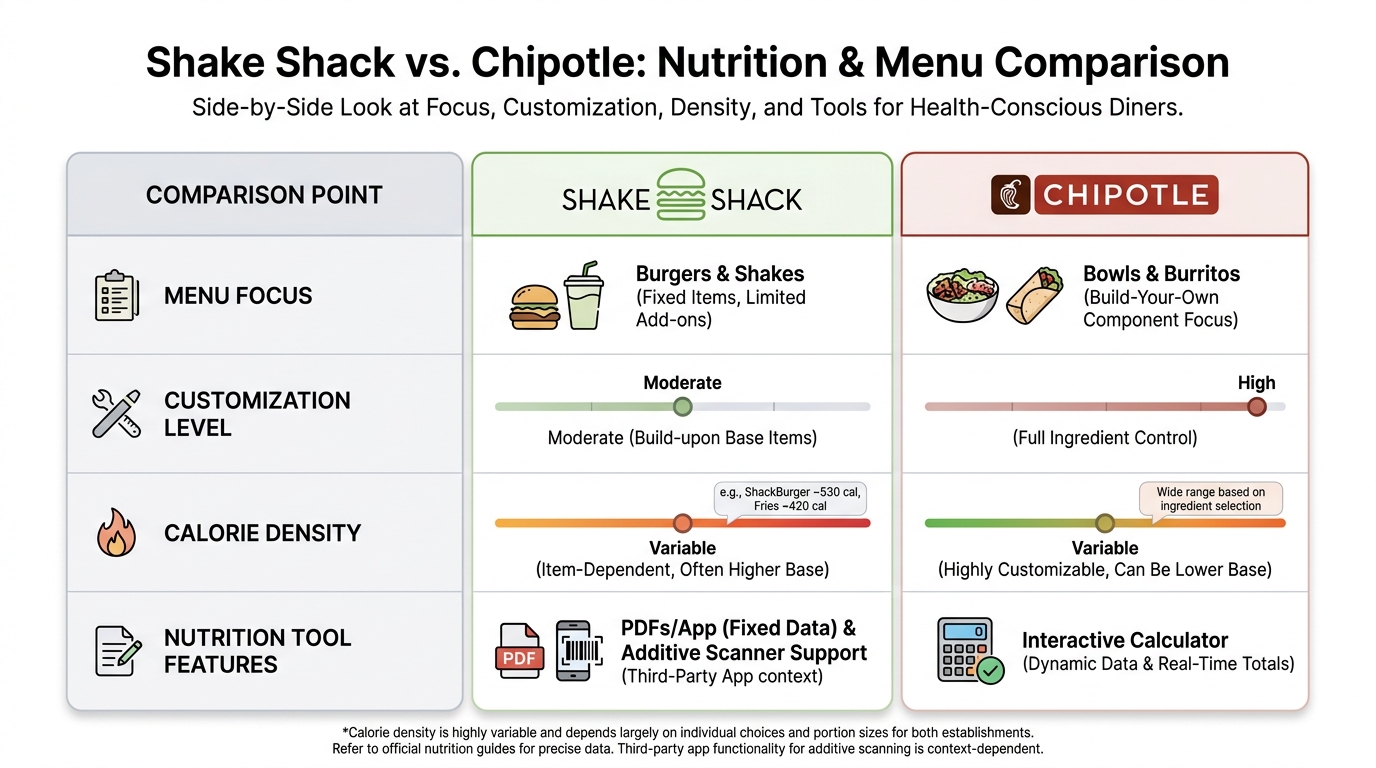
While both restaurants provide detailed nutrition calculators, Shake Shack focuses on burgers, hot dogs, and shakes with higher calorie density, whereas Chipotle offers customizable bowls and burritos. The chipotle nutrition calculator allows ingredient-level customization, while Shake Shack's nutrition info shows complete menu items. Both provide comprehensive allergen information and macronutrient breakdowns for informed dining decisions.
Can I use a mobile app to scan Shake Shack products for allergens?
Yes, allergen checker apps available on iOS and Android can help identify allergens in Shake Shack products by scanning barcodes on packaged items. These apps detect 13 different allergens, traces, additives, and preservatives. For fresh-made menu items, refer to Shake Shack's official allergen guide, as prepared foods don't have scannable barcodes but detailed allergen information is provided.
Where can I find the most accurate Shake Shack nutrition info?
The most accurate shake shack nutrition info is available on their official website's nutrition page and mobile app. You can download detailed PDF guides showing complete nutritional values and allergen information for all menu items. Third-party allergen checker apps can also provide additional insights by scanning product barcodes for packaged items and cross-referencing allergen databases.
What additives and preservatives are commonly found in Shake Shack menu items?
Shake Shack uses various additives and preservatives in their products, including hydroxy stearic acid in some baked goods and condiments, and methane sulfonic acid derivatives in certain processed ingredients. Their nutrition info and allergen guides list specific additives and preservatives. Using an allergen checker app can help identify these ingredients by scanning barcodes on packaged items available at their locations.
Understanding Shake Shack Nutrition Info: A Complete Guide for Health-Conscious Diners
When you're craving a premium burger and shake but need to track your nutritional intake or avoid specific allergens, having accurate Shake Shack nutrition info becomes essential. Whether you're managing food allergies, counting calories, or simply making informed dietary choices, understanding what goes into your favorite Shake Shack meal can help you enjoy dining out while staying aligned with your health goals.
Shake Shack has grown from a single hot dog cart in New York's Madison Square Park to a beloved international chain known for quality ingredients and indulgent menu items. But with that indulgence comes the need for transparency about nutritional content, allergen information, and ingredient lists—especially for the millions of Americans living with food allergies and dietary restrictions.
This comprehensive guide breaks down everything you need to know about Shake Shack's nutritional information, from calorie counts and macronutrient breakdowns to allergen considerations and healthier menu options.
Complete Shake Shack Nutrition Information Breakdown

Signature Burgers and Sandwiches
Shake Shack's burgers are the cornerstone of their menu, but they pack a significant caloric punch. Understanding the nutritional profile of each option helps you make choices that fit your dietary needs.
| Menu Item | Calories | Total Fat (g) | Protein (g) | Carbs (g) |
|---|---|---|---|---|
| ShackBurger (Single) | 530 | 30 | 27 | 39 |
| SmokeShack (Single) | 630 | 38 | 31 | 40 |
| Shroom Burger | 550 | 30 | 16 | 54 |
| Hamburger (Single) | 390 | 20 | 23 | 30 |
| Cheeseburger (Single) | 450 | 25 | 26 | 31 |
The ShackBurger, featuring Angus beef, lettuce, tomato, and ShackSauce on a potato bun, contains 530 calories with 30 grams of fat. If you're looking to reduce calories, opting for a single hamburger without cheese drops the count to 390 calories.
For vegetarians, the Shroom Burger offers a portobello mushroom filled with melted cheese, but it still contains 550 calories and 30 grams of fat due to the breading and cheese filling.
Chicken Options
Shake Shack's chicken menu provides alternatives to beef, though the nutritional profiles vary significantly based on preparation methods and toppings.
- Chick'n Shack: 550 calories, 27g fat, 32g protein, 47g carbs
- Chicken Bites (6 pieces): 310 calories, 17g fat, 20g protein, 20g carbs
- BBQ Chicken Sandwich: 600 calories, 29g fat, 35g protein, 51g carbs
The breaded and fried preparation of chicken items means they're comparable in calories and fat to beef options, making them less of a "lighter" choice than you might expect.
Fries and Sides
Shake Shack's crinkle-cut fries are cooked in canola oil and seasoned with salt. The nutritional information varies by size:
| Size | Calories | Total Fat (g) | Sodium (mg) | Carbs (g) |
|---|---|---|---|---|
| Small | 420 | 23 | 550 | 47 |
| Regular | 470 | 26 | 620 | 53 |
| Large | 710 | 39 | 930 | 80 |
Cheese fries add approximately 100-150 additional calories and 8-12 grams of fat depending on size, along with significant sodium from the cheese sauce.
Shakes and Frozen Custard
Shake Shack's signature shakes are made with frozen custard, which is richer and denser than traditional ice cream due to higher egg yolk content.
A regular vanilla shake contains approximately 670 calories, 35 grams of fat, and 75 grams of sugar. Chocolate and specialty flavors can exceed 800 calories per serving, making them a significant indulgence that can comprise nearly half of a 2,000-calorie daily diet.
- Vanilla Shake (Regular): 670 calories, 35g fat, 75g sugar
- Chocolate Shake (Regular): 720 calories, 37g fat, 82g sugar
- Strawberry Shake (Regular): 690 calories, 35g fat, 79g sugar
- Black & White Shake (Regular): 760 calories, 38g fat, 88g sugar
Allergen Information and Dietary Restrictions
Common Allergens at Shake Shack
For individuals with food allergies, understanding which menu items contain common allergens is critical. Shake Shack's menu contains several of the major allergens recognized by the FDA.
The most prevalent allergens found throughout Shake Shack's menu include:
- Milk/Dairy: Present in cheese, ShackSauce, frozen custard, and buns (which contain milk)
- Wheat/Gluten: Found in all buns, breaded items, and some sauces
- Eggs: Present in ShackSauce, frozen custard, and breading
- Soy: Found in buns, sauces, and cooking oils
- Tree Nuts: May be present in specialty shakes and seasonal items
Cross-contamination is a significant concern in any restaurant kitchen. Shake Shack prepares all items in a shared kitchen environment, which means even items without direct allergen ingredients may come into contact with allergens during preparation.
Gluten-Free Options
Shake Shack offers a gluten-free bun option for burgers and sandwiches, which can be substituted at no additional charge at most locations. However, the gluten-free bun is prepared in the same kitchen as wheat-containing products, so cross-contamination remains possible.
For those with celiac disease or severe gluten sensitivities, it's important to note that while tortilla chips can be gluten free in other contexts, Shake Shack's fries are not certified gluten-free despite being made from potatoes. The shared fryer environment and potential for cross-contamination make them unsuitable for those with celiac disease.
If you're managing gluten sensitivities, you might also be interested in learning about other gluten-free options like whether grits are gluten free or finding gluten free wheat free beer alternatives when dining out. Some establishments now offer gluten free cheese-its style snacks, though these aren't currently available at Shake Shack.
Using Technology to Track Allergens
Managing food allergies while dining out has become easier with technology. An allergy checker app can help you quickly identify potential allergens in restaurant foods by scanning barcodes or searching menu items.
Apps like Nutrict allow you to scan product barcodes to detect 13 different allergens, traces, additives, and preservatives. While these apps work best with packaged foods, they can help you make informed decisions about similar products and understand ingredient patterns.
Comparing Shake Shack to Other Fast-Casual Chains
Nutritional Comparison with Competitors
Understanding how Shake Shack's nutrition info compares to other popular chains helps contextualize your choices. When compared to restaurants like Chipotle, which offers customizable bowls and burritos, the nutritional profiles differ significantly.
If you're interested in building a balanced meal at other chains, you can use a chipotle nutrition calculator to customize your order and see real-time nutritional information. This level of transparency, available through tools like the Chipotle nutrition calculator, helps health-conscious diners make informed decisions.
For comprehensive details about Chipotle's menu, you can explore their complete chipotle nutrition info to compare options across different fast-casual restaurants.
| Restaurant | Basic Cheeseburger Calories | Total Fat (g) | Sodium (mg) |
|---|---|---|---|
| Shake Shack | 450 | 25 | 1050 |
| Five Guys | 840 | 55 | 1050 |
| In-N-Out | 480 | 27 | 1000 |
| McDonald's | 300 | 13 | 720 |
Shake Shack falls in the middle range for calories and fat content, offering higher quality ingredients than traditional fast food but with correspondingly higher caloric density than basic fast-food burgers.
Healthier Ordering Strategies at Shake Shack
Lower-Calorie Menu Modifications
While Shake Shack isn't typically considered a health-focused restaurant, several strategies can help reduce your caloric intake while still enjoying their menu:
- Choose single patties: Opt for single burgers instead of doubles to save 200-300 calories
- Skip the cheese: Removing cheese saves approximately 60-80 calories and 5-7 grams of fat
- Hold the sauce: ShackSauce adds calories and fat; request it on the side or skip it entirely
- Substitute lettuce wraps: Some locations offer lettuce wraps instead of buns, saving approximately 150-200 calories
- Share sides: Split fries with a dining companion to reduce portion sizes
- Skip the shake: Substitute water or unsweetened iced tea to save 600+ calories
Balanced Meal Combinations
Creating a more balanced meal at Shake Shack requires thoughtful combinations. Consider these approaches:
Lower-Calorie Combo: Single hamburger (390 cal) + side salad (minimal calories) + water = approximately 400-450 calories total
Moderate Combo: Single cheeseburger (450 cal) + small fries (420 cal) + unsweetened tea = approximately 870 calories total
Higher-Protein Option: Lettuce-wrapped double ShackBurger (no bun) + side of chicken bites = high protein, lower carb option
Understanding Additives and Preservatives
Beyond basic nutritional information, some health-conscious consumers are concerned about food additives and preservatives. While Shake Shack emphasizes quality ingredients, processed foods inevitably contain some additives.
Common additives you might encounter in restaurant foods include stabilizers, emulsifiers, and preservatives. Some ingredients like hydroxy stearic acid (a fatty acid derivative), poly carboxylic acid (used in some food processing), and methane sulfonic acid (used in food processing equipment cleaning) may be present in trace amounts in various food production processes, though they're not typically listed on restaurant menus.
For those particularly concerned about additives, using an allergy checker app can help identify these substances in packaged foods, though restaurant meals require direct inquiry with staff about specific ingredients.
Nutritional Information for Special Dietary Needs
Vegetarian and Vegan Options
Shake Shack's vegetarian options are limited but available. The Shroom Burger provides a meat-free alternative, though it's not vegan due to the cheese filling. Currently, Shake Shack does not offer a dedicated vegan burger patty at most locations, though some international locations have tested plant-based options.
Vegetarian modifications include:
- Shroom Burger (contains dairy and eggs)
- Grilled cheese (contains dairy)
- Fries (cooked in dedicated fryer at some locations)
- Side salad without cheese
Vegan options are extremely limited, essentially restricted to fries (if cooked in a dedicated fryer) and beverages.
Low-Carb and Keto-Friendly Choices
For those following low-carb or ketogenic diets, Shake Shack can be navigated with careful modifications:
- Request any burger in a lettuce wrap instead of a bun
- Double or triple the protein patties for increased satiety
- Add extra cheese for additional fat content
- Skip all breaded items, fries, and shakes
- Request extra vegetables like lettuce, tomato, and pickles
A double ShackBurger in a lettuce wrap with extra cheese provides approximately 40-50 grams of protein, 35-40 grams of fat, and only 10-15 grams of carbohydrates, making it compatible with most low-carb eating plans.
High-Protein Options for Athletes
Athletes and fitness enthusiasts seeking high-protein meals can maximize their protein intake at Shake Shack:
| Menu Item | Protein (g) | Calories | Protein per Calorie Ratio |
|---|---|---|---|
| Double SmokeShack | 52 | 850 | 0.061 |
| Single Hamburger + Chicken Bites | 43 | 700 | 0.061 |
| Double Cheeseburger | 48 | 770 | 0.062 |
| BBQ Chicken Sandwich | 35 | 600 | 0.058 |
Combining multiple protein sources, such as a burger with chicken bites, can help athletes meet their daily protein requirements while dining out.
Sodium and Heart Health Considerations
Understanding Sodium Content
One of the most significant nutritional concerns at Shake Shack is sodium content. Most menu items contain substantial amounts of sodium, which can be problematic for individuals managing blood pressure or heart health.
The American Heart Association recommends no more than 2,300 mg of sodium per day, with an ideal limit of 1,500 mg for most adults. A single ShackBurger contains approximately 1,050 mg of sodium—nearly half the daily recommended maximum.
When you add fries (620 mg sodium for a regular order) and a shake (200-300 mg), a typical meal can exceed 1,800-2,000 mg of sodium, leaving little room for sodium in other meals throughout the day.
Reducing Sodium in Your Order
To minimize sodium intake while dining at Shake Shack:
- Request no salt on fries (reduces sodium by approximately 200-300 mg)
- Skip cheese (reduces sodium by 150-200 mg)
- Avoid bacon and processed meats (bacon adds 300+ mg sodium)
- Request sauces on the side and use sparingly
- Choose water instead of fountain drinks
- Skip pickles and other high-sodium toppings
Breakfast Options and Nutritional Information
Shake Shack has expanded into breakfast at select locations, offering morning-specific menu items. Breakfast options typically include:
- Bacon, Egg & Cheese: 450 calories, 24g fat, 21g protein
- Sausage, Egg & Cheese: 520 calories, 32g fat, 23g protein
- Egg & Cheese: 340 calories, 16g fat, 17g protein
- Hash Browns: 280 calories, 18g fat, 2g protein
Breakfast items tend to be slightly lower in calories than lunch and dinner options, though they still contain significant amounts of fat and sodium. The egg and cheese sandwich without meat provides the lowest-calorie breakfast option at 340 calories.
Seasonal and Limited-Time Offerings
Shake Shack regularly introduces seasonal menu items and limited-time offerings that can vary significantly in nutritional content. These special items often feature premium ingredients and creative flavor combinations that may increase calorie, fat, and sodium content beyond standard menu items.
When trying seasonal offerings, consider these strategies:
- Check nutritional information online before ordering if available
- Ask staff about ingredients and preparation methods
- Start with smaller portions or share with dining companions
- Balance indulgent seasonal items with lighter choices throughout the day
Seasonal shakes, in particular, can exceed 1,000 calories when they include mix-ins like cookies, candy pieces, or additional toppings.
Making Informed Decisions with Nutritional Tools
Accessing Shake Shack's Nutrition Information
Shake Shack provides comprehensive nutritional information through several channels:
- Website: Full nutritional data available for all standard menu items
- Mobile App: Nutritional information accessible when ordering
- In-Store: Nutritional brochures available upon request at most locations
- Third-Party Apps: Nutrition tracking apps often include Shake Shack's menu data
Tracking Your Meals
For those monitoring their nutritional intake closely, several strategies can help track Shake Shack meals effectively:
Use a food diary or tracking app to log your meals immediately after eating. Apps like MyFitnessPal, Lose It!, and others include Shake Shack's menu items in their databases with pre-loaded nutritional information.
For individuals managing food allergies, an allergy checker app can complement your dining experience by helping you understand ingredient patterns and identify potential allergens in similar foods.
Similar to how you might check chicken salad nutrition info or cottage cheese nutrition for home-prepared meals, understanding restaurant nutrition helps you maintain consistency in your dietary tracking.
Nutritional Transparency and Industry Standards
Shake Shack's commitment to nutritional transparency aligns with broader industry trends toward greater disclosure. The chain provides detailed information about calories, macronutrients, and allergens, meeting FDA requirements for chain restaurants with 20 or more locations.
This transparency allows consumers to make informed choices, much like how you might review Cinnamon Toast Crunch nutrition or bagel with cream cheese nutrition facts when selecting breakfast options at home.
The availability of detailed nutritional information empowers consumers to balance indulgent restaurant meals with healthier choices throughout their day, supporting overall dietary goals without completely eliminating enjoyable dining experiences.
Conclusion: Balancing Enjoyment with Nutritional Awareness
Understanding Shake Shack nutrition info allows you to make informed decisions that align with your dietary goals, whether you're managing allergies, tracking macronutrients, or simply trying to make healthier choices when dining out. While Shake Shack's menu items tend to be calorie-dense and high in fat and sodium, strategic modifications and mindful ordering can help you enjoy their offerings while maintaining nutritional balance.
The key to successfully incorporating restaurant meals into a healthy diet is awareness, moderation, and balance. By understanding the nutritional content of your favorite menu items, you can make adjustments that fit your personal health goals without sacrificing the social and culinary enjoyment of dining out.
For those managing food allergies or dietary restrictions, technology has made it easier than ever to navigate restaurant menus safely. Visit Nutrict to discover how our food allergy scanner app can help you identify allergens, additives, and preservatives in products, empowering you to make safer, more informed food choices every day. With the ability to scan barcodes and detect 13 different allergens, traces, additives, and preservatives, Nutrict puts comprehensive nutritional information right at your fingertips—available on both iOS and Android.
Article created using IntentRank