Schar Gluten Free Bread: Complete Allergen & Nutrition Guide
TL;DR: Schar gluten free bread is a certified gluten-free product line made without wheat, offering safe options for people with celiac disease or gluten sensitivity. The bread contains alternative flours and is free from gluten proteins. Use allergen scanning apps to verify specific ingredients, traces, and additives in individual Schar bread varieties before purchasing.
Frequently Asked Questions

What is Schar gluten free bread made from?
Schar gluten free bread is primarily made from a blend of corn starch, rice flour, and sourdough. It also contains water, vegetable fiber, sunflower oil, and various ingredients to improve texture and shelf life. The bread is certified gluten-free and formulated to mimic traditional wheat bread while remaining safe for people with celiac disease or gluten sensitivity.
Is Schar gluten free bread also wheat free?
Yes, Schar gluten free bread is completely wheat-free. Since wheat contains gluten, all Schar gluten-free products are made without wheat or any wheat derivatives. This makes it suitable for people with wheat allergies, celiac disease, or gluten intolerance. The bread uses alternative flours like rice and corn instead of wheat.
How can I check for allergens in Schar gluten free bread?
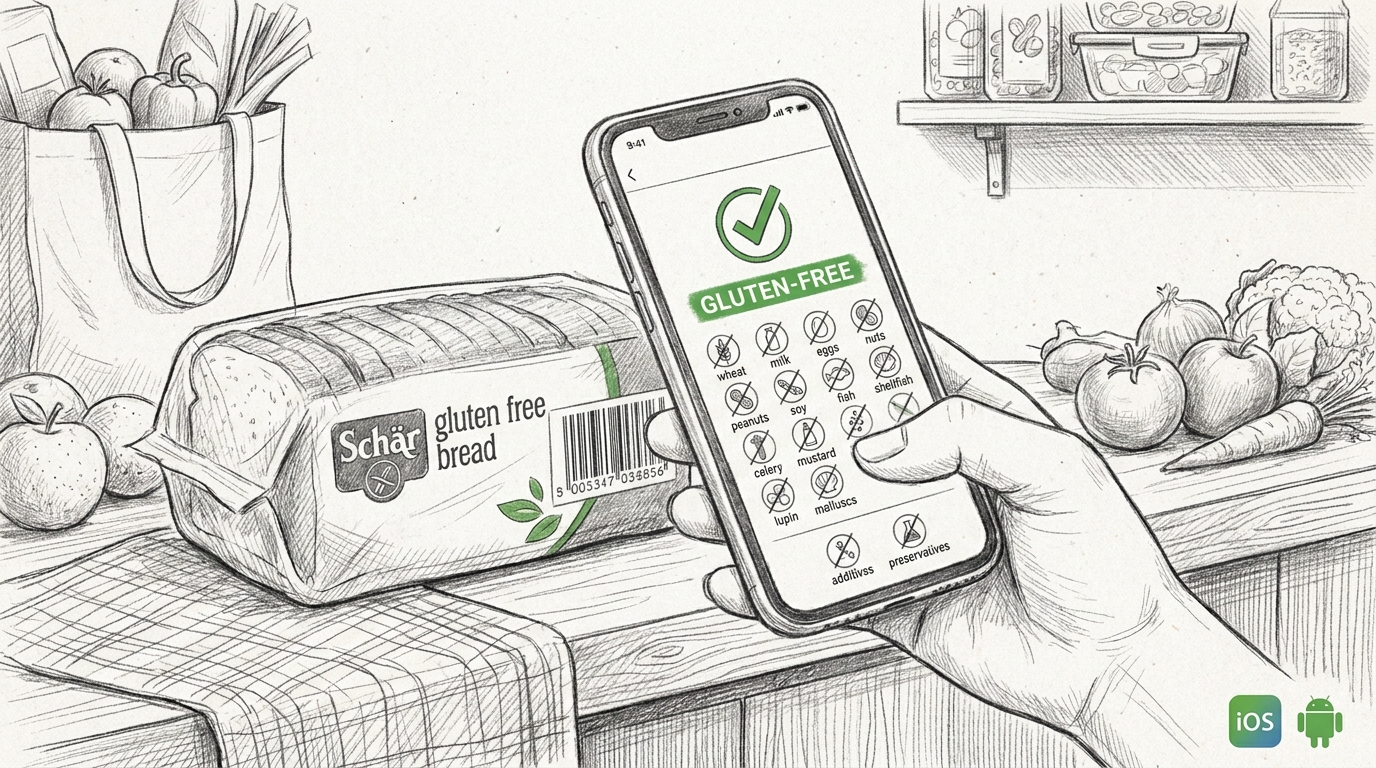
You can check allergens in Schar gluten free bread by scanning the product barcode with an allergy checker app. These apps detect up to 13 different allergens, traces, additives, and preservatives instantly. Available on iOS and Android, allergen scanning apps provide detailed ingredient analysis and help you identify potential allergens beyond just gluten, including dairy, soy, and eggs.
Does Schar gluten free bread contain any additives or preservatives?
Schar gluten free bread contains some additives and preservatives to maintain freshness and texture. Common ingredients include vegetable fiber, emulsifiers, and natural preservatives. Some varieties may contain hydroxy stearic acid or similar compounds as stabilizers. To identify all additives and preservatives in specific Schar products, use an allergen checker app that scans barcodes for detailed ingredient information.
Where can I buy Schar gluten free bread?
Schar gluten free bread is widely available at major grocery stores, health food stores, and online retailers. You can find it in the gluten-free or specialty diet section of supermarkets like Whole Foods, Walmart, Target, and Kroger. It's also available on Amazon and the Schar website. Many stores stock multiple varieties including white, multigrain, and artisan options.
How does Schar gluten free bread compare to regular bread nutritionally?
Schar gluten free bread typically has similar calories to regular bread but different nutritional profiles. It's often lower in protein and fiber compared to whole wheat bread, as gluten-free flours lack the protein structure of wheat. However, many Schar varieties are enriched with vitamins and minerals. To compare specific nutrition information, use nutrition calculators or allergen checker apps that provide detailed nutritional data.
Can people with celiac disease safely eat Schar gluten free bread?
Yes, people with celiac disease can safely eat Schar gluten free bread. Schar products are certified gluten-free and contain less than 20 parts per million of gluten, meeting international safety standards. The brand is specifically designed for celiac disease management and is produced in dedicated gluten-free facilities to prevent cross-contamination. Always verify product labels and use allergen checker apps for additional safety.
What other gluten free products are similar to Schar bread?
Similar gluten-free alternatives to Schar bread include brands like Udi's, Canyon Bakehouse, and Glutino. For snacks, you can find gluten-free cheese-its and other crackers. When dining out, use nutrition calculators like the Chipotle nutrition calculator to check menu items. For beverages, gluten-free wheat-free beer options are available. Always verify ingredients using allergen checker apps to ensure products meet your dietary needs.
Understanding Schar Gluten Free Bread: A Comprehensive Guide

For individuals managing celiac disease or gluten sensitivities, finding quality bread alternatives can be challenging. Schar gluten free bread has emerged as one of the most trusted options in the gluten-free market, offering texture and taste that closely resembles traditional wheat-based bread. This comprehensive guide explores everything you need to know about Schar's gluten-free bread products, from nutritional content to ingredient safety.
Whether you're newly diagnosed with celiac disease or have been managing gluten intolerance for years, understanding your bread options is essential. Schar has built a reputation for producing high-quality gluten-free products that don't compromise on taste or texture, making the transition to gluten-free living significantly easier.
This article will help you navigate the world of Schar gluten free bread, covering allergen information, nutritional benefits, and how to identify safe products for your dietary needs. For those managing multiple food allergies, using an allergy checker app can provide additional peace of mind when shopping for gluten-free products.
What Makes Schar Gluten Free Bread Different

Schar has been a pioneer in the gluten-free industry for over 40 years, specializing in products for people with celiac disease and gluten sensitivities. The company originated in Italy, where they developed proprietary formulations that deliver superior taste and texture compared to many competitors.
Key Features of Schar Bread Products
- Certified gluten-free: All Schar products meet strict gluten-free standards, containing less than 20 parts per million (ppm) of gluten
- Non-GMO ingredients: Schar prioritizes natural, non-genetically modified ingredients in their formulations
- Wheat-free formulation: Perfect for those seeking gluten free wheat free beer alternatives and other wheat-free products
- Preservative considerations: While some Schar products contain preservatives to maintain freshness, they avoid many common additives
The texture of Schar gluten free bread closely mimics traditional wheat bread, which is achieved through careful blending of alternative flours and starches. This attention to texture makes Schar products particularly appealing to those who miss the mouthfeel of conventional bread.
Manufacturing Standards and Safety
Schar maintains dedicated gluten-free facilities to prevent cross-contamination, a critical concern for individuals with celiac disease. This commitment to safety extends throughout their entire production process, from ingredient sourcing to final packaging.
The company's rigorous testing protocols ensure that each batch meets international gluten-free standards. For consumers managing multiple allergies, checking product labels with a reliable food allergy app can provide additional verification and peace of mind.
Nutritional Profile of Schar Gluten Free Bread

Understanding the nutritional content of gluten-free bread is essential for maintaining a balanced diet. Schar gluten free bread varieties offer different nutritional profiles depending on the specific product line.
Typical Nutritional Content Per Serving
| Nutrient | Amount | % Daily Value |
|---|---|---|
| Calories | 70-90 | 3-4% |
| Total Carbohydrates | 14-17g | 5-6% |
| Protein | 1-2g | 2-4% |
| Dietary Fiber | 1-2g | 4-8% |
| Total Fat | 2-3g | 3-4% |
| Sodium | 150-200mg | 6-8% |
When comparing nutritional information across different products, tools like a chipotle nutrition calculator for restaurant meals or detailed food tracking apps can help you maintain balanced nutrition while following a gluten-free diet.
Ingredient Considerations
Schar gluten free bread typically contains a blend of alternative flours and starches, including rice flour, corn starch, and potato starch. Some formulations may include ingredients like hydroxy stearic acid or similar emulsifiers to improve texture and shelf life.
Understanding food additives is important for health-conscious consumers. While Schar maintains high quality standards, some products may contain preservatives or stabilizers. These might include compounds similar to poly carboxylic acid or methane sulfonic acid, though specific formulations vary by product line.
For those managing multiple dietary restrictions, similar to seeking gluten free dairy free snacks, it's essential to read ingredient labels carefully or use scanning technology to verify product safety.
Allergen Information and Safety Considerations
Beyond gluten, understanding the complete allergen profile of Schar gluten free bread is crucial for individuals with multiple food sensitivities. While Schar products are certified gluten-free, they may contain other common allergens.
Common Allergens in Schar Products
| Allergen | Typically Present | Notes |
|---|---|---|
| Gluten | No | All products certified gluten-free |
| Wheat | No | Wheat-free formulations |
| Dairy/Milk | Varies | Check individual product labels |
| Eggs | Sometimes | Used in some formulations for structure |
| Soy | Sometimes | May contain soy lecithin |
| Tree Nuts | Rarely | Check for cross-contamination warnings |
Using an allergy scanner app can help you quickly identify potential allergens in Schar products and other gluten-free foods. This technology is particularly valuable when shopping for products with complex ingredient lists.
Cross-Contamination Protocols
Schar's dedicated gluten-free facilities significantly reduce cross-contamination risks. However, individuals with severe allergies should always verify current manufacturing practices, as facilities and processes can change over time.
For parents managing children's dietary restrictions, having reliable tools to verify product safety is essential. The same diligence applied to checking chipotle nutrition info when dining out should be applied to packaged bread products.
Comparing Schar to Other Gluten-Free Bread Options
The gluten-free bread market has expanded significantly, offering consumers numerous choices. Understanding how Schar compares to alternatives helps you make informed decisions based on your specific needs and preferences.
Texture and Taste Comparison
Schar gluten free bread is frequently praised for its soft texture and mild flavor that doesn't have the grainy or crumbly characteristics common in early gluten-free breads. This makes it an excellent choice for sandwiches and toast.
Similar to how consumers seek alternatives like gluten free cheese-its for snacking, bread alternatives have evolved to meet consumer expectations for taste and texture. Schar has consistently ranked among the top choices in blind taste tests.
Price Point and Availability
- Premium pricing: Schar products typically cost more than conventional bread but are competitively priced within the gluten-free category
- Wide distribution: Available in major grocery chains, health food stores, and online retailers
- Shelf stability: Longer shelf life compared to some artisanal gluten-free breads
- Variety options: Multiple product lines including white, multigrain, and specialty breads
Alternative Gluten-Free Bread Considerations
When exploring gluten-free options, you might also consider products like Ezekiel bread, though traditional Ezekiel bread contains gluten. Understanding the difference between truly gluten-free products and wheat-based alternatives is crucial for celiac disease management.
For those seeking beverages to pair with gluten-free meals, exploring gluten free wheat free beer options can complement your dietary approach. Many craft breweries now produce excellent gluten-free beer alternatives using sorghum, rice, or other gluten-free grains.
Best Uses for Schar Gluten Free Bread
Maximizing the quality of Schar gluten free bread depends on proper storage and preparation techniques. These products perform differently than traditional wheat bread in various applications.
Optimal Storage Methods
Gluten-free bread tends to dry out faster than wheat-based bread due to the absence of gluten's moisture-retaining properties. To maintain freshness:
- Refrigerate after opening: Store opened packages in the refrigerator to extend shelf life
- Freeze for long-term storage: Schar bread freezes exceptionally well; separate slices with parchment paper for easy removal
- Toast from frozen: Bread can be toasted directly from the freezer without thawing
- Use airtight containers: Transfer bread to sealed containers or bags to prevent moisture loss
Preparation Tips and Techniques
Schar gluten free bread excels in various applications when prepared correctly. Toasting enhances texture and flavor, making it ideal for sandwiches and breakfast items.
- Sandwiches: Works well for both cold and grilled sandwiches; consider toasting lightly for added structure
- French toast: Absorbs egg mixture well; let soak briefly before cooking
- Bread crumbs: Process dried slices into crumbs for coating or stuffing recipes
- Croutons: Cube and toast with olive oil and seasonings for salad toppings
When planning meals, considering complete nutritional information similar to using a chipotle nutrition calculator for restaurant dining helps maintain balanced eating habits while following a gluten-free diet.
Health Benefits and Considerations of Going Gluten-Free
For individuals with celiac disease or gluten sensitivity, consuming gluten-free products like Schar bread isn't optional—it's medically necessary. Understanding the health implications helps reinforce the importance of maintaining a strict gluten-free diet.
Medical Necessity for Celiac Disease
Celiac disease is an autoimmune condition where gluten consumption triggers an immune response that damages the small intestine. The only treatment is complete gluten avoidance, making products like Schar gluten free bread essential for daily nutrition.
Symptoms of gluten exposure in celiac patients can include digestive issues, fatigue, nutrient malabsorption, and long-term complications if left untreated. Reliable gluten-free products provide the foundation for managing this condition effectively.
Non-Celiac Gluten Sensitivity
Some individuals experience gluten-related symptoms without having celiac disease. For these people, gluten-free bread options provide symptom relief while maintaining dietary variety and enjoyment.
Just as people seek information about products like Yoplait yogurt nutrition to make informed choices, understanding your gluten-free bread options contributes to overall dietary wellness.
Nutritional Considerations
While gluten-free products are essential for some, they're not inherently healthier for the general population. Gluten-free breads may be lower in fiber and certain B vitamins compared to whole wheat bread, though many manufacturers now fortify their products.
Balancing your diet with diverse gluten-free whole grains, similar to understanding corn nutrition as part of a varied diet, ensures adequate nutrient intake while avoiding gluten.
Shopping Tips and Product Selection
Navigating the gluten-free aisle can be overwhelming with numerous brands and varieties available. Strategic shopping ensures you select the best Schar gluten free bread products for your needs and budget.
Reading Labels Effectively
Even when shopping for certified gluten-free products, careful label reading remains important. Look beyond the gluten-free certification to understand the complete ingredient profile and allergen information.
Modern technology makes this process easier. Using a barcode scanning app allows you to quickly verify ingredients and identify potential allergens, additives, or preservatives that might concern you.
Understanding Certification Labels
| Certification | Standard | Significance |
|---|---|---|
| GFCO (Gluten-Free Certification Organization) | <10 ppm gluten | Most stringent standard |
| FDA Gluten-Free Label | <20 ppm gluten | Federal standard in US |
| Crossed Grain Symbol | Varies by country | International recognition |
| NSF Gluten-Free | <20 ppm gluten | Third-party verification |
Where to Buy Schar Products
Schar gluten free bread is widely available through multiple retail channels, making it accessible for most consumers:
- Major grocery chains: Whole Foods, Kroger, Safeway, and other national retailers typically stock Schar products
- Health food stores: Natural Grocers, Sprouts, and local health food shops often carry extensive Schar selections
- Online retailers: Amazon, Thrive Market, and direct from manufacturer websites offer convenient delivery
- Specialty stores: Stores focusing on allergen-free products usually maintain comprehensive Schar inventories
When shopping online or in-store, comparing products is easier with tools that provide comprehensive nutritional information, similar to how a chipotle nutrition calculator helps when dining out.
Managing a Complete Gluten-Free Lifestyle
Selecting quality gluten-free bread is just one component of successfully managing celiac disease or gluten sensitivity. A comprehensive approach ensures you maintain nutritional balance while avoiding gluten exposure.
Building a Gluten-Free Pantry
Beyond bread, stocking your pantry with reliable gluten-free staples makes meal planning easier and reduces the risk of accidental gluten exposure. Consider including:
- Certified gluten-free oats and oat flour
- Alternative flours (almond, coconut, rice, chickpea)
- Gluten-free pasta and grains (quinoa, rice, buckwheat)
- Safe condiments and sauces (verify labels for hidden gluten)
- Snack options like gluten-free dairy-free snacks for convenience
Dining Out Safely
Restaurant dining presents unique challenges for those following a gluten-free diet. Strategies for safe dining include:
- Research restaurants in advance: Look for establishments with dedicated gluten-free menus or protocols
- Communicate clearly with staff: Explain your dietary needs and ask about preparation methods
- Use nutrition calculators: When available, tools like a chipotle nutrition info resource help you make informed choices
- Ask about cross-contamination: Inquire whether gluten-free items are prepared in shared spaces
Technology Tools for Gluten-Free Living
Modern apps and digital tools significantly simplify gluten-free living. From scanning barcodes to tracking nutritional intake, technology provides valuable support:
An allergy checker app allows you to scan products instantly, identifying not only gluten but also other allergens, additives like hydroxy stearic acid, preservatives, and compounds such as methane sulfonic acid or poly carboxylic acid that might concern health-conscious consumers.
These tools are particularly valuable when traveling or shopping at unfamiliar stores, providing confidence that products meet your dietary requirements.
Cost Management for Gluten-Free Diets
Gluten-free products, including Schar bread, typically cost more than conventional alternatives. Understanding pricing factors and implementing cost-saving strategies helps manage the financial impact of a gluten-free diet.
Why Gluten-Free Products Cost More
Several factors contribute to higher prices for gluten-free items:
- Specialized ingredients: Alternative flours and starches cost more than wheat flour
- Dedicated facilities: Maintaining gluten-free production environments increases operational costs
- Testing requirements: Regular gluten testing adds to production expenses
- Smaller production volumes: Lower demand compared to conventional products affects economies of scale
- Research and development: Creating quality gluten-free formulations requires significant investment
Money-Saving Strategies
Despite higher costs, several approaches can help manage your gluten-free grocery budget:
- Buy in bulk: Purchase multiple packages when on sale and freeze for later use
- Join loyalty programs: Many retailers offer discounts for regular customers
- Shop online: Compare prices across retailers and take advantage of subscription discounts
- Make your own: Consider baking gluten-free bread at home when budget allows
- Focus on naturally gluten-free foods: Emphasize whole foods like rice, potatoes, and corn to reduce reliance on packaged products
The Future of Gluten-Free Products
The gluten-free market continues evolving with improved formulations, better taste, and enhanced nutritional profiles. Understanding industry trends helps consumers anticipate future product developments.
Innovation in Gluten-Free Baking
Manufacturers like Schar continuously refine their recipes and processes. Recent innovations include:
- Improved texture: New ingredient combinations create bread that more closely mimics wheat-based products
- Enhanced nutrition: Fortification with vitamins, minerals, and fiber addresses nutritional gaps
- Clean label formulations: Reducing additives and preservatives in response to consumer demand
- Diverse product lines: Expanding beyond basic white bread to include artisan varieties, rolls, and specialty items
Growing Market Awareness
As celiac disease diagnosis rates increase and consumer awareness grows, the gluten-free market expands. This growth drives competition, potentially leading to better products and more competitive pricing.
Similar to how consumers now expect alternatives like gluten free cheese-its and gluten free wheat free beer, the demand for diverse, high-quality gluten-free bread options continues rising.
Technology Integration
Digital tools increasingly support gluten-free living. Apps that scan barcodes, provide nutritional information similar to a chipotle nutrition calculator, and offer recipe suggestions make managing dietary restrictions more convenient than ever.
The integration of artificial intelligence and machine learning in food scanning technology promises even more sophisticated allergen detection and nutritional analysis in the coming years.
Take Control of Your Gluten-Free Journey
Understanding Schar gluten free bread and your broader gluten-free options empowers you to make informed dietary choices. Whether you're managing celiac disease, gluten sensitivity, or supporting a family member with dietary restrictions, quality products and reliable information form the foundation of successful gluten-free living.
The journey to finding your perfect gluten-free bread may involve trying multiple brands and varieties. Schar's commitment to quality, safety, and taste makes their products an excellent starting point for anyone navigating the gluten-free lifestyle.
Remember that managing food allergies and dietary restrictions extends beyond just avoiding gluten. Comprehensive allergen awareness ensures complete safety and peace of mind. Whether you're checking for gluten, dairy, eggs, or other allergens, having reliable tools makes all the difference.
Ready to simplify your allergen-free shopping experience? Visit Nutrict to discover how our food allergy scanner app can help you quickly identify allergens, additives, and preservatives in thousands of products. Simply scan a barcode to detect 13 different allergens, including gluten, and make confident purchasing decisions every time you shop. Download Nutrict today on iOS or Android and take the guesswork out of allergen-safe eating.
Article created using IntentRank