Saltine Crackers Nutrition Facts & Hidden Allergens Guide
TL;DR: Saltine crackers nutrition typically includes approximately 60-70 calories per five crackers, with 1-2 grams of fat, 11-13 grams of carbohydrates, and 1-2 grams of protein. They contain minimal fiber and are high in sodium (150-200mg per serving). Common allergens include wheat and may contain traces of soy or dairy depending on the brand.
Frequently Asked Questions

What is the nutritional value of saltine crackers?
Saltine crackers typically contain around 60-70 calories per 5-cracker serving. They provide approximately 11 grams of carbohydrates, 1-2 grams of protein, and 1-2 grams of fat. Most saltines contain 135-180mg of sodium per serving. They're low in fiber (less than 1 gram) and contain minimal vitamins and minerals, making them a simple carbohydrate source rather than a nutrient-dense food.
Are saltine crackers safe for people with gluten allergies?
Traditional saltine crackers are not safe for people with gluten allergies or celiac disease, as they're made from wheat flour containing gluten. However, gluten-free alternatives exist using rice flour, corn flour, or other gluten-free grains. Using an allergy checker app can help you scan product barcodes to verify if specific saltine cracker brands are truly gluten-free and identify other potential allergens or traces.
How many calories are in a sleeve of saltine crackers?
A standard sleeve of saltine crackers contains approximately 200-240 calories. Most sleeves hold about 40 crackers, with each cracker containing roughly 5-6 calories. The exact calorie count varies by brand and whether the crackers contain added ingredients like butter, whole wheat, or seeds. Always check the nutrition label for specific serving sizes and calorie information for accurate tracking.
Do saltine crackers contain common food allergens?
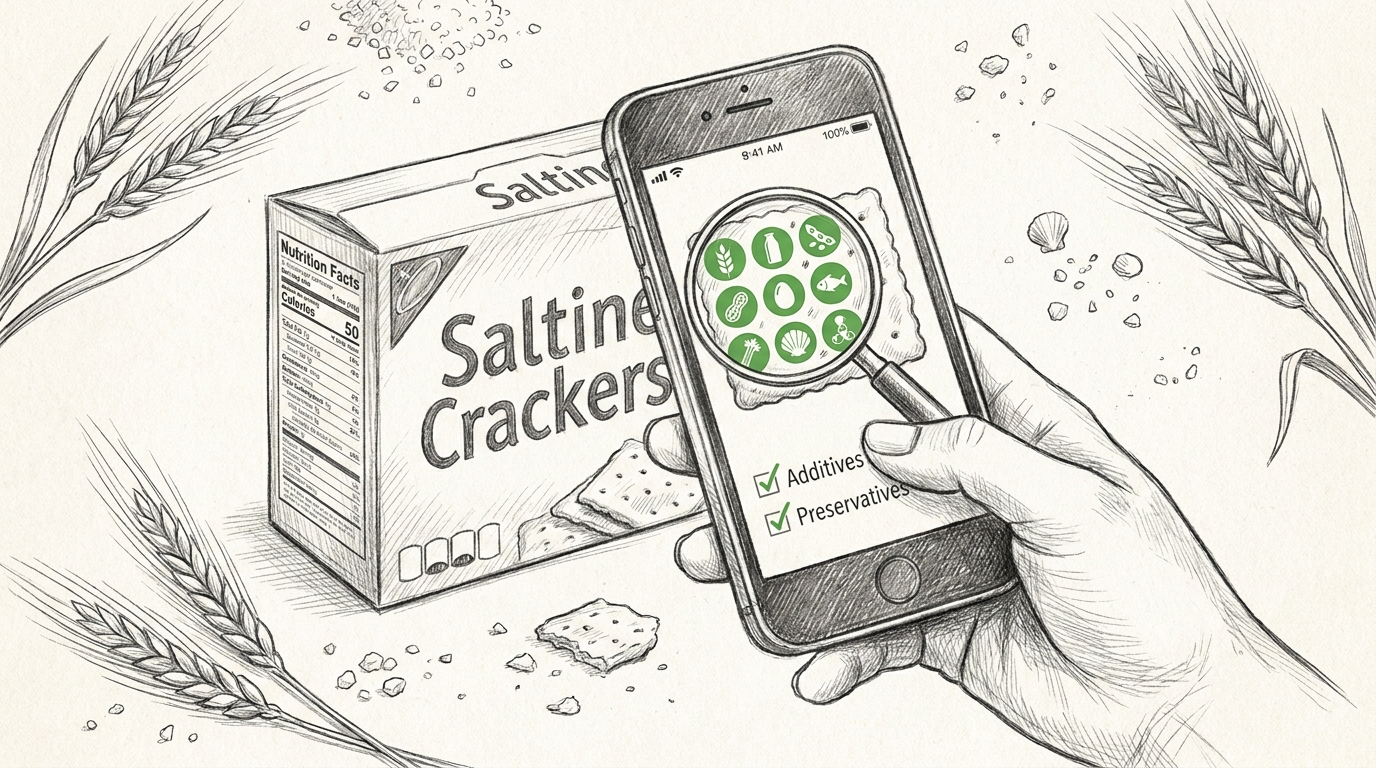
Saltine crackers typically contain wheat (gluten), which is a major allergen. Some brands may also contain soy lecithin or milk derivatives. They generally don't contain eggs, nuts, or shellfish, but cross-contamination is possible during manufacturing. An allergy checker app can help you scan barcodes to detect all 13 major allergens, traces, additives, and preservatives in specific saltine cracker products before purchasing.
What additives are commonly found in saltine crackers?
Common additives in saltine crackers include sodium bicarbonate (baking soda), malted barley flour, and soy lecithin as an emulsifier. Some brands contain preservatives like calcium propionate to extend shelf life. You may also find enzymes, yeast, and vegetable oils. Premium brands might use fewer additives. Scanning product barcodes with an allergen detection app helps identify specific additives and preservatives in different cracker brands.
Are saltine crackers a healthy snack option?
Saltine crackers are a low-calorie, easily digestible snack but aren't particularly nutritious. They're high in refined carbohydrates and sodium while lacking fiber, protein, and essential nutrients. They're beneficial for settling upset stomachs or providing quick energy. For healthier options, choose whole grain varieties or pair saltines with protein-rich foods like cheese or nut butter to improve nutritional balance and satiety.
How can I check if saltine crackers fit my dietary restrictions?
The most efficient way to verify if saltine crackers meet your dietary needs is using an allergen detection app available on iOS and Android. These apps let you scan product barcodes to instantly identify 13 different allergens, traces, additives, and preservatives. This is especially helpful for managing gluten allergies, sodium restrictions, or avoiding specific additives like certain acids or preservatives in processed foods.
What is the sodium content in saltine crackers?
Saltine crackers contain approximately 135-180mg of sodium per 5-cracker serving, which represents 6-8% of the recommended daily sodium intake. The name 'saltine' reflects their characteristic salty taste from salt crystals on the surface. Low-sodium versions contain about 30-50mg per serving. High sodium intake can affect blood pressure, so individuals on sodium-restricted diets should monitor their saltine cracker consumption carefully.
Understanding Saltine Crackers Nutrition: A Complete Guide

Saltine crackers nutrition is a topic that matters to millions of people who reach for these simple, crispy snacks daily. Whether you're managing dietary restrictions, counting calories, or simply curious about what you're eating, understanding the nutritional profile of saltine crackers is essential for making informed food choices.
These plain, square crackers have been a pantry staple for generations, often served alongside soup or used as a bland food during illness. But beyond their simple appearance lies a complex nutritional story that includes calories, allergens, additives, and ingredients that may surprise you.
In this comprehensive guide, we'll break down everything you need to know about saltine crackers nutrition, from their basic macronutrient profile to hidden allergens and additives that could affect your health.
Basic Nutritional Profile of Saltine Crackers

The nutritional content of saltine crackers is relatively straightforward, but understanding serving sizes is crucial for accurate tracking. A standard serving of saltine crackers consists of five crackers, which weighs approximately 15 grams.
Calories and Macronutrients
A typical serving of five saltine crackers contains approximately 60-70 calories. This makes them a relatively low-calorie snack option compared to many other processed foods.
| Nutrient | Amount | % Daily Value |
|---|---|---|
| Calories | 60-70 kcal | 3% |
| Total Fat | 1.5-2g | 2% |
| Sodium | 135-180mg | 6-8% |
| Total Carbohydrates | 11-13g | 4% |
| Dietary Fiber | 0-1g | 0-4% |
| Protein | 1-2g | 2% |
The carbohydrate content makes saltines primarily an energy source, with minimal fiber and protein. This composition means they digest quickly and can cause rapid blood sugar spikes in sensitive individuals.
Sodium Content Concerns
One of the most significant nutritional considerations with saltine crackers is their sodium content. Despite their small size, these crackers pack a considerable amount of salt relative to their serving size.
Most brands contain between 135-180mg of sodium per serving, which represents 6-8% of the recommended daily intake. For individuals managing hypertension or following low-sodium diets, this can add up quickly when consuming multiple servings.
Common Allergens in Saltine Crackers

Understanding allergen content is critical for anyone with food sensitivities or allergies. Saltine crackers typically contain several common allergens that can trigger reactions in sensitive individuals.
Primary Allergens Present
The most prevalent allergen in saltine crackers is wheat, which contains gluten. This makes traditional saltine crackers unsuitable for individuals with celiac disease or gluten sensitivities.
- Wheat/Gluten: The primary ingredient in most saltine crackers, making them off-limits for those seeking gluten free options
- Soy: Often present as soybean oil or soy lecithin, an emulsifier used in processing
- Dairy: Some varieties may contain milk derivatives or be processed on shared equipment
For those wondering about alternatives, there are no mainstream gluten free cheese-its or gluten-free saltine options from major brands, though specialty manufacturers have begun producing alternatives. If you're searching for truly safe snacks, check out our guide on gluten free dairy free snacks for comprehensive options.
Cross-Contamination Risks
Even if a saltine cracker doesn't list certain allergens in its ingredients, cross-contamination during manufacturing can pose risks. Many facilities process multiple products containing various allergens on shared equipment.
This is where an allergy checker app becomes invaluable. These tools can quickly scan product barcodes and identify potential allergen risks, including traces and cross-contamination warnings that may not be immediately obvious on packaging.
Additives and Preservatives in Saltine Crackers
Beyond basic nutrition and allergens, saltine crackers often contain various additives and preservatives that extend shelf life and improve texture. Understanding these ingredients is essential for health-conscious consumers.
Common Chemical Additives
Many commercial saltine crackers contain additives that may raise concerns for some consumers. While generally recognized as safe by regulatory agencies, these substances warrant awareness.
| Additive | Purpose | Potential Concerns |
|---|---|---|
| BHT (Butylated Hydroxytoluene) | Preservative/Antioxidant | Some studies suggest potential health effects with high consumption |
| TBHQ (Tertiary Butylhydroquinone) | Preservative | Synthetic antioxidant with debated safety profile |
| Soy Lecithin | Emulsifier | Allergen concern for soy-sensitive individuals |
| Monoglycerides/Diglycerides | Texture enhancer | May be derived from various sources including animal fats |
Specialized Chemical Compounds
Some saltine cracker formulations may contain specialized compounds that serve specific manufacturing purposes. While not universally present, awareness of these ingredients helps informed consumers make better choices.
Compounds like hydroxy stearic acid may appear in some formulations as emulsifiers or stabilizers. Similarly, methane sulfonic acid derivatives can be used in processing, though they're more commonly found in industrial applications than food products.
Some manufacturers utilize poly carboxylic acid compounds in their processing equipment or as dough conditioners, though these are typically present in trace amounts if at all in the final product.
Comparing Saltine Crackers to Other Snack Options
Understanding how saltine crackers nutrition stacks up against alternatives helps you make informed snacking decisions. Let's examine how they compare to similar products.
Nutritional Comparison with Similar Products
When evaluating snack options, considering the complete nutritional picture is essential. Saltine crackers occupy a unique position in the snack food landscape.
| Product | Calories | Fat (g) | Sodium (mg) | Fiber (g) |
|---|---|---|---|---|
| Saltine Crackers (5) | 65 | 1.5 | 160 | 0.5 |
| Whole Wheat Crackers (5) | 80 | 3 | 140 | 2 |
| Rice Crackers (10) | 70 | 0.5 | 95 | 0 |
| Graham Crackers (2 sheets) | 130 | 3 | 180 | 1 |
While saltines are lower in calories than many alternatives, they also provide minimal nutritional benefits beyond basic energy. The lack of fiber and protein means they won't keep you satisfied for long.
Healthier Alternatives to Consider
For those looking to maintain similar convenience while improving nutritional value, several alternatives exist. Whole grain crackers offer more fiber and nutrients, while still providing that satisfying crunch.
If you're exploring better snack options that accommodate dietary restrictions, our comprehensive guide on gluten free dairy free snacks provides over 50 safe alternatives that don't compromise on taste or convenience.
Using Technology to Track Saltine Crackers Nutrition
Modern technology has revolutionized how we track and understand food nutrition. Several tools can help you make informed decisions about saltine crackers and other foods in your diet.
Nutrition Tracking Apps and Calculators
Digital tools have made it easier than ever to monitor your nutritional intake accurately. A chipotle nutrition calculator style interface can help you track not just restaurant meals but also packaged foods like saltine crackers.
These calculators allow you to input serving sizes and receive instant feedback on calories, macronutrients, and how the food fits into your daily nutritional goals. When you need detailed chipotle nutrition info or similar data for other foods, these tools provide comprehensive breakdowns.
Allergen Detection Technology
For individuals managing food allergies, scanning technology has become a game-changer. Using a dedicated food allergy app, you can instantly identify whether saltine crackers or any other product contains your specific allergens.
These apps scan barcodes and provide immediate alerts about the presence of common allergens, traces, additives, and preservatives. This technology is particularly valuable when shopping for new brands or products where ingredient lists might be difficult to read or understand.
Special Dietary Considerations for Saltine Crackers
Different dietary needs require specific considerations when evaluating saltine crackers nutrition. Let's explore how these crackers fit into various eating patterns.
Gluten-Free Diet Requirements
Traditional saltine crackers are not suitable for gluten-free diets due to their wheat flour base. Those with celiac disease or gluten sensitivity must seek certified gluten-free alternatives.
The search for gluten-free substitutes extends beyond crackers. Many people also wonder about beverages, seeking options like gluten free wheat free beer that provide similar satisfaction without triggering symptoms. The good news is that specialty manufacturers now produce gluten-free crackers using rice flour, almond flour, or other alternative grains.
For comprehensive information on gluten-free products, including bread alternatives, read our detailed analysis on whether Ezekiel bread is gluten free.
Low-Sodium and Heart-Healthy Diets
The sodium content in saltine crackers makes them challenging for those following low-sodium diets. A single serving provides 6-8% of the daily recommended sodium intake, and most people consume multiple servings.
- Look for "unsalted" or "low-sodium" varieties that reduce sodium by 50% or more
- Consider portion control strategies to limit overall sodium intake
- Pair crackers with low-sodium toppings rather than salty spreads or cheeses
- Monitor cumulative sodium intake throughout the day when including saltines
Diabetic-Friendly Considerations
The high glycemic index of saltine crackers means they can cause rapid blood sugar spikes. Diabetics should exercise caution and consider pairing crackers with protein or healthy fats to slow glucose absorption.
Understanding how different foods affect blood sugar is crucial. Just as you might use a chipotle nutrition calculator to evaluate restaurant meal options, tracking the glycemic impact of snacks like saltines helps maintain stable blood sugar levels.
Reading Labels and Making Informed Choices
Becoming a savvy consumer requires understanding how to read and interpret food labels effectively. This skill is essential when evaluating saltine crackers nutrition and making healthy choices.
Decoding Ingredient Lists
Ingredients are listed in descending order by weight, meaning the first few ingredients make up the bulk of the product. In saltine crackers, you'll typically see enriched flour, vegetable oil, salt, and leavening agents at the top.
Watch for hidden allergens and additives that appear under unfamiliar names. Soy might be listed as "soy lecithin," while dairy derivatives could appear as "whey" or "casein."
Understanding Nutrition Facts Panels
The nutrition facts panel provides standardized information, but serving sizes can be misleading. Many people consume more than the listed serving size, multiplying the calorie and sodium content significantly.
| Label Element | What to Check | Red Flags |
|---|---|---|
| Serving Size | Number of crackers per serving | Unrealistically small portions |
| Sodium | Milligrams per serving | Over 200mg per serving |
| Ingredients | Whole grains, additives, allergens | Long lists of unrecognizable chemicals |
| Allergen Statement | "Contains" and "may contain" warnings | Cross-contamination risks for your allergens |
Using an allergy checker app simplifies this process by automatically scanning and interpreting labels for you, highlighting potential concerns based on your specific dietary needs.
Practical Tips for Including Saltine Crackers in Your Diet
If you choose to include saltine crackers in your eating plan, following these strategies can help you maximize their benefits while minimizing potential drawbacks.
Portion Control Strategies
Mindless snacking on saltine crackers can lead to overconsumption. Pre-portioning servings into small bags or containers helps maintain awareness of how much you're eating.
- Stick to the recommended serving size of 5 crackers
- Pair crackers with protein sources like cheese or nut butter for better satiety
- Avoid eating directly from the box to prevent unconscious overeating
- Use crackers as a vehicle for nutrient-dense toppings rather than eating them plain
Healthier Pairing Ideas
The nutritional value of saltine crackers improves significantly when paired with complementary foods. These combinations provide better balance and sustained energy.
Consider topping saltines with hummus, avocado, or cottage cheese for added protein and healthy fats. These pairings slow digestion and prevent the blood sugar spikes associated with eating crackers alone.
When Saltines Are Actually Beneficial
Despite their nutritional limitations, saltine crackers serve specific purposes in certain situations. They're often recommended for managing nausea, morning sickness, or digestive upset due to their bland, easily digestible nature.
The simple carbohydrates provide quick energy without overwhelming a sensitive stomach. However, this should be a temporary dietary strategy rather than a long-term nutritional approach.
The Role of Food Scanning Technology in Dietary Management
Managing dietary restrictions and nutritional goals has become significantly easier with modern food scanning technology. These tools are particularly valuable for evaluating products like saltine crackers.
How Barcode Scanning Apps Work
Food scanning apps use your smartphone camera to read product barcodes and instantly access comprehensive nutritional databases. This technology identifies allergens, additives, preservatives, and nutritional content in seconds.
The Nutrict app specializes in allergen detection, scanning for 13 different allergens plus traces, additives, and preservatives. This capability is invaluable when shopping for saltine crackers or any other packaged food.
Benefits for Allergy Management
For individuals managing food allergies, scanning technology provides peace of mind and safety. Rather than scrutinizing tiny ingredient labels in store aisles, you can scan and receive instant alerts about allergen risks.
This technology is particularly useful for identifying hidden allergens that might appear under unfamiliar chemical names or for catching cross-contamination warnings that are easy to miss on packaging.
Learn more about the best options available in our comprehensive guide to the best food allergy apps for scanning and detecting allergens quickly and accurately.
Making Informed Decisions About Saltine Crackers
Armed with comprehensive knowledge about saltine crackers nutrition, you can make choices that align with your health goals and dietary requirements. The key is balancing convenience with nutritional value.
When to Choose Saltines
Saltine crackers can be appropriate in certain contexts, such as managing digestive issues, providing quick energy before exercise, or serving as a neutral base for nutrient-dense toppings. Understanding these appropriate use cases helps you incorporate them wisely.
When to Choose Alternatives
For regular snacking, meal accompaniment, or sustained energy, alternatives that provide more fiber, protein, and nutrients serve you better. Whole grain crackers, vegetable-based chips, or nut-based options offer superior nutritional profiles.
If you're managing multiple dietary restrictions, exploring comprehensive snack guides like our article on gluten free dairy free snacks helps you discover satisfying alternatives that meet your needs.
Just as you might research chipotle nutrition info before ordering a meal, investing time in understanding packaged food nutrition empowers better daily choices that support your long-term health goals.
Take Control of Your Nutrition Today
Understanding saltine crackers nutrition is just one piece of the larger puzzle of managing your dietary health. Whether you're avoiding allergens, counting calories, or simply trying to make healthier choices, having the right tools makes all the difference.
The complexity of modern food labels, hidden allergens, and confusing ingredient lists can make grocery shopping overwhelming. That's where technology becomes your ally in making safer, smarter food choices.
Stop guessing about what's in your food. Download the Nutrict app today and start scanning products to identify allergens, additives, and preservatives instantly. With support for 13 different allergens and comprehensive ingredient analysis, you'll shop with confidence and protect your health with every purchase.
Join thousands of users who have simplified their dietary management with Nutrict. Available now on both iOS and Android, this powerful tool puts complete nutritional transparency in the palm of your hand. Visit our website to learn more and start your journey toward safer, more informed eating today.
Article created using IntentRank