Best Gluten-Free Restaurants: Complete Guide to Safe Dining

TL;DR: Restaurants that are gluten free include dedicated gluten-free establishments and chains with certified menus like Chipotle, P.F. Chang's, and Outback Steakhouse. Many restaurants now offer gluten-free options, but always verify ingredients and cross-contamination protocols. Using allergen scanning apps helps identify safe menu items by detecting gluten and other allergens in food products.
Frequently Asked Questions

What are the best restaurants that are gluten free?
Popular gluten-free restaurant chains include Chipotle, which offers customizable bowls and salads with clear gluten-free options. Other top choices are P.F. Chang's with a dedicated gluten-free menu, Outback Steakhouse, Red Robin with gluten-free buns, and True Food Kitchen. Many local restaurants now offer gluten-free alternatives, but always verify ingredients and cross-contamination protocols using allergen checker apps or by asking staff directly.
How can I use the Chipotle nutrition calculator to find gluten-free options?
The Chipotle nutrition calculator allows you to customize your meal and view detailed nutrition info, including allergen information. Select ingredients like rice, beans, fajita vegetables, meats, salsas, guacamole, and lettuce, which are naturally gluten-free. Avoid flour tortillas and be cautious about cross-contamination. The calculator displays allergen warnings, helping you make informed gluten-free choices before ordering.
What is an allergy checker app and how does it help with gluten-free dining?
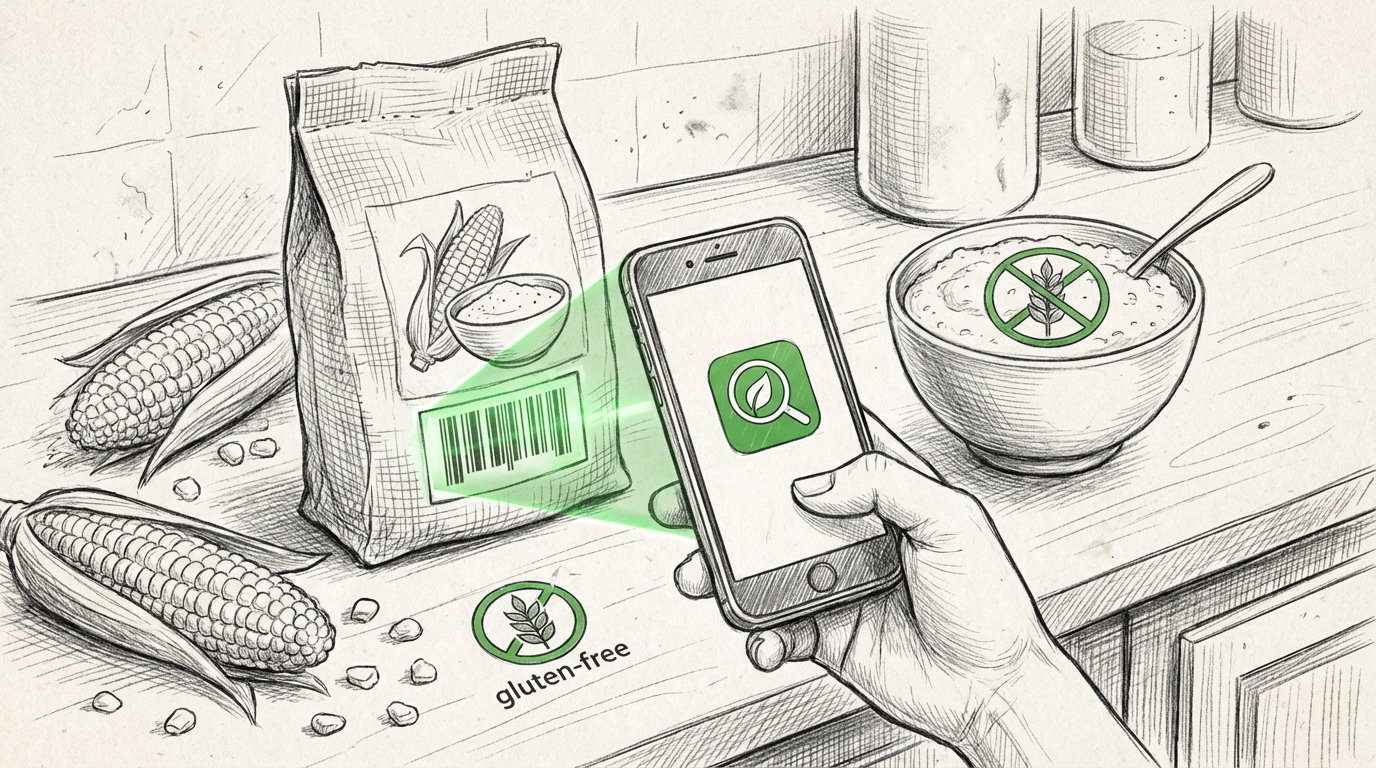
An allergy checker app is a mobile application that helps identify allergens in food products by scanning barcodes. These apps detect up to 13 different allergens, including gluten, along with traces, additives, and preservatives. Available on iOS and Android, they provide instant information about product safety, making it easier to shop for groceries and verify packaged foods before consumption at home or restaurants.
Are there gluten-free cheese-its or similar snack alternatives?
Yes, several brands offer gluten-free alternatives to Cheese-Its. Options include Simple Mills Almond Flour Crackers, Schar Cheese Bites, and Lance Gluten-Free Cheddar Cheese Crackers. These products use alternative flours like rice, almond, or chickpea flour. Always verify packaging with an allergen checker app to confirm gluten-free status and check for cross-contamination warnings, especially if you have celiac disease.
What gluten-free wheat-free beer options are available?
Gluten-free wheat-free beers are made from alternative grains like sorghum, rice, millet, or buckwheat. Popular brands include Omission (gluten-removed), Ghostfish Brewing, Ground Breaker Brewing, and Holidaily Brewing Company. These beers are specifically crafted for people with celiac disease or gluten sensitivity. Some are certified gluten-free, while others use gluten-removal processes. Always check labels or use an allergen checker app to verify safety.
How do I check Chipotle nutrition info for allergen safety?
Visit Chipotle's official website or mobile app to access comprehensive nutrition info and allergen details. The allergen information page lists all ingredients and identifies common allergens including gluten. You can also use third-party allergen checker apps to scan packaged Chipotle products. When ordering in-store, inform staff about your gluten-free needs to prevent cross-contamination during food preparation.
Which restaurants that are gluten free also accommodate multiple food allergies?
Restaurants accommodating multiple allergies include Chipotle, which provides detailed allergen information for all ingredients, and chains like Chick-fil-A, Five Guys, and Panera Bread with comprehensive allergen menus. Many restaurants now use allergen management systems. For maximum safety, use an allergen checker app before dining, communicate directly with restaurant staff about your specific needs, and ask about cross-contamination prevention protocols in their kitchens.
What should I look for when choosing restaurants that are gluten free?
Look for restaurants with dedicated gluten-free menus, staff trained in allergen awareness, and separate preparation areas to prevent cross-contamination. Check if they use an allergen management system or provide detailed nutrition info online. Restaurants that accommodate special dietary needs often display certifications or allergen information clearly. Using an allergen checker app for packaged items and asking specific questions about ingredients and preparation methods ensures safer dining experiences.
Your Complete Guide to Gluten-Free Restaurants and Dining Options

Finding restaurants that are gluten free has become significantly easier in recent years, as awareness of celiac disease and gluten sensitivities continues to grow. Whether you're managing celiac disease, have non-celiac gluten sensitivity, or simply prefer avoiding gluten for health reasons, navigating restaurant menus requires careful attention and the right tools to ensure your meals are safe.
The restaurant industry has made tremendous strides in accommodating gluten-free diets, with many establishments now offering dedicated gluten-free menus, separate preparation areas, and trained staff. However, cross-contamination remains a significant concern, making it essential to verify ingredients and preparation methods before dining out.
This comprehensive guide will help you identify safe dining options, understand what to look for in gluten-free restaurants, and provide practical strategies for enjoying meals outside your home without compromising your health.
Understanding Gluten-Free Restaurant Options

What Makes a Restaurant Truly Gluten-Free?
A truly gluten-free restaurant goes beyond simply offering gluten-free menu items. These establishments implement comprehensive protocols to prevent cross-contamination and ensure the safety of their gluten-sensitive customers.
Key characteristics include dedicated preparation areas, separate cooking equipment, trained staff who understand celiac disease, and rigorous ingredient verification processes. Some restaurants are completely gluten-free facilities, while others maintain dedicated gluten-free sections within their kitchens.
- Dedicated gluten-free preparation surfaces and utensils
- Staff training on celiac disease and cross-contamination prevention
- Clear labeling of gluten-free menu items
- Verification of all ingredients, including hidden sources of gluten
- Separate storage areas for gluten-free ingredients
Common Hidden Gluten Sources in Restaurant Foods
Even when dining at restaurants that are gluten free-friendly, hidden sources of gluten can lurk in unexpected places. Understanding these potential pitfalls helps you ask the right questions and make safer choices.
Sauces, marinades, and dressings frequently contain gluten through ingredients like soy sauce, malt vinegar, or wheat-based thickeners. Cross-contamination can occur through shared fryers, cutting boards, or even airborne flour particles in bakeries.
| Food Category | Hidden Gluten Sources | Safe Alternatives |
|---|---|---|
| Sauces & Condiments | Soy sauce, teriyaki sauce, gravy, malt vinegar | Tamari, gluten-free soy sauce, vinaigrettes |
| Fried Foods | Shared fryers, breading, batter | Dedicated gluten-free fryers, grilled options |
| Soups & Stews | Flour-based thickeners, bouillon cubes | Cornstarch-thickened, clear broths |
| Processed Meats | Fillers, seasonings, marinades | Plain grilled meats, verified gluten-free deli meats |
Top Restaurant Chains with Gluten-Free Options
Fast-Casual Chains Leading the Way
Several fast-casual restaurant chains have developed comprehensive gluten-free programs that make dining out more accessible. These establishments often provide detailed nutritional information and allergen guides to help customers make informed decisions.
When using tools like a chipotle nutrition calculator, you can precisely track not only calories and macronutrients but also identify potential allergens in your customized meal. Many chains now offer online nutrition calculators that allow you to build your meal virtually and see complete nutritional and allergen information before ordering.
Chipotle: A Gluten-Free Success Story
Chipotle has become a popular choice for gluten-free diners due to its transparent ingredient list and simple preparation methods. Most menu items are naturally gluten-free, with the main exceptions being flour tortillas and crispy taco shells.
The chipotle nutrition info is readily available both online and in-store, making it easy to verify which items are safe. Their bowl format eliminates the need for gluten-containing wraps, and their corn tortillas provide a safe alternative for taco lovers.
- Burrito bowls with rice, beans, and protein
- Corn tortilla tacos (soft or crispy)
- Salads with various protein options
- All salsas, guacamole, and most toppings are gluten-free
- Avoid: Flour tortillas and crispy wheat taco shells
Other Chain Restaurants with Strong Gluten-Free Programs
Beyond Chipotle, numerous restaurant chains have developed robust gluten-free offerings. These establishments understand the importance of catering to customers with dietary restrictions and have invested in training and protocols to ensure safety.
Pizza chains like Blaze Pizza and MOD Pizza offer gluten-free crusts prepared with separate utensils. However, cross-contamination remains possible due to shared ovens, so those with severe celiac disease should inquire about preparation methods.
| Restaurant | Gluten-Free Highlights | Cross-Contamination Risk |
|---|---|---|
| Chipotle | Most items naturally gluten-free, corn tortillas available | Low - separate preparation areas |
| P.F. Chang's | Dedicated gluten-free menu, separate prep area | Low - dedicated protocols |
| Outback Steakhouse | Extensive gluten-free menu, gluten free wheat free beer options | Medium - shared kitchen |
| Red Robin | Gluten-free buns, dedicated fryer | Low - dedicated fryer available |
| Chick-fil-A | Grilled chicken options, gluten-free buns | Medium - shared kitchen space |
Essential Tools for Gluten-Free Dining Out
Using an Allergy Checker App for Restaurant Safety
Technology has revolutionized how people with food allergies navigate dining options. An allergy checker app can help you quickly scan product barcodes to identify potential allergens before purchasing items or verify ingredients in packaged foods you might encounter at restaurants.
While restaurant meals can't be scanned directly, these apps help you understand which ingredients to avoid and provide valuable information about common allergens. This knowledge empowers you to ask better questions when dining out and make more informed choices.
The best food allergy apps detect multiple allergens simultaneously, including gluten, and provide detailed information about additives and preservatives that might contain hidden gluten sources.
Understanding Food Additives and Preservatives
Many restaurant foods contain additives and preservatives that may be unfamiliar to consumers. Some of these compounds can be derived from gluten-containing sources or may cause sensitivities in certain individuals.
For example, hydroxy stearic acid is sometimes used as an emulsifier in processed foods and is generally gluten-free, though it's always wise to verify the source. Similarly, methane sulfonic acid may appear in food processing but is typically not a direct ingredient in finished products.
- Modified food starch (verify source - can be wheat-based)
- Maltodextrin (usually corn-based, but can be wheat-derived)
- Natural flavors (may contain gluten; ask for verification)
- Poly carboxylic acid compounds used in food packaging
- Caramel coloring (usually gluten-free but verify manufacturing process)
Questions to Ask Restaurant Staff
Effective communication with restaurant staff is crucial for safe gluten-free dining. Don't hesitate to ask detailed questions about ingredients, preparation methods, and cross-contamination protocols.
The best restaurants that are gluten free will have knowledgeable staff who can confidently answer your questions or connect you with a manager or chef who can provide accurate information.
- Do you have a dedicated gluten-free menu or preparation area?
- Are your fryers dedicated to gluten-free items only?
- Which sauces, marinades, and seasonings contain gluten?
- Can you prepare my meal with clean utensils and on a clean surface?
- Do you use shared cutting boards or cooking surfaces?
- Are staff members trained on celiac disease and cross-contamination?
Gluten-Free Snacks and Beverages at Restaurants
Safe Snack Options When Dining Out
When you're looking for safe snacks while dining out or traveling, knowing which options are genuinely gluten-free is essential. Unfortunately, many popular snack brands contain gluten or are manufactured in facilities with high cross-contamination risk.
For instance, traditional Cheez-Its contain wheat flour, but some manufacturers now produce gluten free cheese-its alternatives using rice flour or other gluten-free grains. Always check labels or use an allergy scanning app to verify.
For comprehensive lists of safe options, explore our guide to gluten free dairy free snacks that work well for multiple dietary restrictions.
Beverage Choices: Beer and Beyond
Traditional beer contains barley and is off-limits for those avoiding gluten. However, the craft beer industry has responded with numerous gluten free wheat free beer options made from alternative grains like sorghum, rice, or millet.
Many restaurants now stock gluten-free beer options, though availability varies by location. Popular brands include Omission, Glutenberg, and New Planet, each offering different flavor profiles comparable to traditional beer styles.
| Beverage Type | Gluten-Free Options | Items to Avoid |
|---|---|---|
| Beer | Sorghum-based, rice-based, certified gluten-free beers | Regular beer, wheat beer, barley-based ales |
| Spirits | Potato vodka, rum, tequila, wine | Beer, malt beverages, grain-based spirits (unless distilled) |
| Mixed Drinks | Cocktails with verified ingredients | Drinks with malt, beer mixers, or unknown syrups |
| Non-Alcoholic | Coffee, tea, soda, juice, water | Malted beverages, barley-based drinks |
Regional and Ethnic Cuisine Options
Naturally Gluten-Free Cuisines
Certain ethnic cuisines naturally feature more gluten-free options due to their traditional ingredients and cooking methods. Understanding these cuisines can expand your dining options significantly.
Mexican restaurants often excel at gluten-free offerings, as corn is a staple ingredient. Thai cuisine frequently uses rice noodles instead of wheat pasta, though soy sauce in stir-fries requires verification.
- Mexican: Corn tortillas, rice, beans, grilled meats (verify marinades)
- Thai: Rice noodles, rice dishes, curries (check soy sauce)
- Indian: Rice-based dishes, lentils, many curries (avoid naan bread)
- Vietnamese: Rice noodle soups, spring rolls with rice paper
- Japanese: Sushi with tamari, sashimi, rice dishes (avoid tempura)
Cuisines Requiring Extra Caution
Some cuisines traditionally rely heavily on wheat-based ingredients, making gluten-free dining more challenging. These restaurants require extra vigilance and detailed questioning about ingredients and preparation methods.
Italian restaurants present particular challenges due to pasta, pizza, and bread being central to the cuisine. However, many now offer gluten-free pasta and pizza crust alternatives.
Nutrition Considerations When Dining Gluten-Free
Balancing Nutrition in Restaurant Meals
Gluten-free dining doesn't mean sacrificing nutritional quality. In fact, focusing on naturally gluten-free whole foods often leads to more nutritious meal choices than relying on processed gluten-free substitutes.
When reviewing nutritional information, such as English muffin nutrition or other common breakfast items, you'll notice that gluten-free versions sometimes contain more calories and less fiber than their wheat-based counterparts.
Understanding nutritional content helps you make balanced choices. For example, checking corn on the cob calories and other side dish options allows you to plan complete meals that meet your dietary needs.
Reading Nutritional Labels and Allergen Information
Many restaurants now provide detailed nutritional and allergen information, either on their websites or upon request. This transparency allows you to make informed decisions about your meals before ordering.
When evaluating products at grocery stores or packaged items at restaurants, questions like is Ezekiel bread gluten free or is Yoplait yogurt healthy become important for understanding which brands align with your dietary needs.
Planning Ahead for Safe Gluten-Free Dining
Research Before You Go
Successful gluten-free dining often depends on advance preparation. Researching restaurants before you arrive reduces stress and ensures you have safe options available.
Many restaurants post their menus and allergen information online, allowing you to review options beforehand. Some even allow you to call ahead and speak with the chef about your dietary needs.
Building Your Restaurant Database
Creating a personal list of trusted restaurants that are gluten free in your area saves time and provides reliable options for various occasions. Note which establishments have dedicated protocols, knowledgeable staff, and consistently safe experiences.
Consider factors like cross-contamination protocols, menu variety, staff knowledge, and your personal experiences when building this database. Share recommendations with others in the gluten-free community to help everyone dine more safely.
- Save restaurant allergen menus to your phone for reference
- Keep notes about safe dishes you've ordered previously
- Document which staff members are particularly knowledgeable
- Track any reactions or concerns for future reference
- Share positive experiences with the gluten-free community
Managing Social Dining Situations
Dining out with friends, family, or colleagues while maintaining a gluten-free diet requires communication and sometimes compromise. Don't be afraid to suggest restaurants where you know you'll have safe options.
Most dining companions are understanding when you explain your dietary needs. Offering to research restaurant options that work for everyone demonstrates consideration while ensuring your safety.
The Future of Gluten-Free Restaurant Dining
Industry Trends and Improvements
The restaurant industry continues to evolve in its approach to gluten-free dining. More establishments are implementing comprehensive allergen management programs and investing in staff training.
Technology plays an increasing role, with digital menu boards displaying real-time allergen information and apps that help customers identify safe options. Some restaurants now use separate color-coded equipment for gluten-free preparation, reducing cross-contamination risk.
Advocacy and Education
Consumer advocacy has driven many positive changes in restaurant practices. As more people are diagnosed with celiac disease and gluten sensitivities, restaurants recognize the business value of accommodating these customers safely.
Supporting restaurants that prioritize gluten-free safety encourages others to follow suit. Providing constructive feedback and positive reviews for establishments that excel at gluten-free service helps raise industry standards.
Take Control of Your Gluten-Free Dining Experience
Navigating restaurants that are gluten free doesn't have to be stressful when you have the right tools and knowledge. By researching restaurants beforehand, asking informed questions, and using technology to verify ingredients, you can enjoy dining out safely and confidently.
Remember that your health is paramount, and reputable restaurants will appreciate your diligence rather than view it as an inconvenience. The gluten-free dining landscape continues to improve, offering more options and better safety protocols than ever before.
To make your gluten-free journey even easier, consider using tools that help you identify allergens quickly and accurately. Visit Nutrict to discover how our food allergy scanner app can help you detect gluten and 12 other allergens by simply scanning product barcodes. Available on both iOS and Android, Nutrict empowers you to make informed decisions about the foods you eat, whether you're shopping for groceries or checking packaged items at restaurants.
For more helpful resources on managing food allergies and dietary restrictions, explore our comprehensive blog with guides, nutritional information, and practical tips for living safely with food sensitivities. Take control of your dietary needs today and dine with confidence wherever you go.
Article created using IntentRank