Lactose & Gluten Free Meals: Easy Allergen Scanner
TL;DR: Lactose and gluten free meals are essential for people with celiac disease, lactose intolerance, or food sensitivities. These meals exclude dairy products and gluten-containing grains like wheat, barley, and rye. Use allergen detection apps to scan product barcodes and identify safe foods by checking for lactose, gluten, traces, additives, and preservatives before purchasing or consuming.
Frequently Asked Questions

What are the best lactose and gluten free meals for people with multiple food allergies?
The best lactose and gluten free meals include naturally allergen-free options like grilled meats, fish, rice bowls, vegetable stir-fries, and salads with safe dressings. Using an allergy checker app helps identify safe products by scanning barcodes to detect allergens, traces, and additives. Popular restaurant chains like Chipotle offer customizable options—use their nutrition calculator to verify ingredients meet your dietary restrictions.
How can an allergy checker app help me find lactose and gluten free meals?
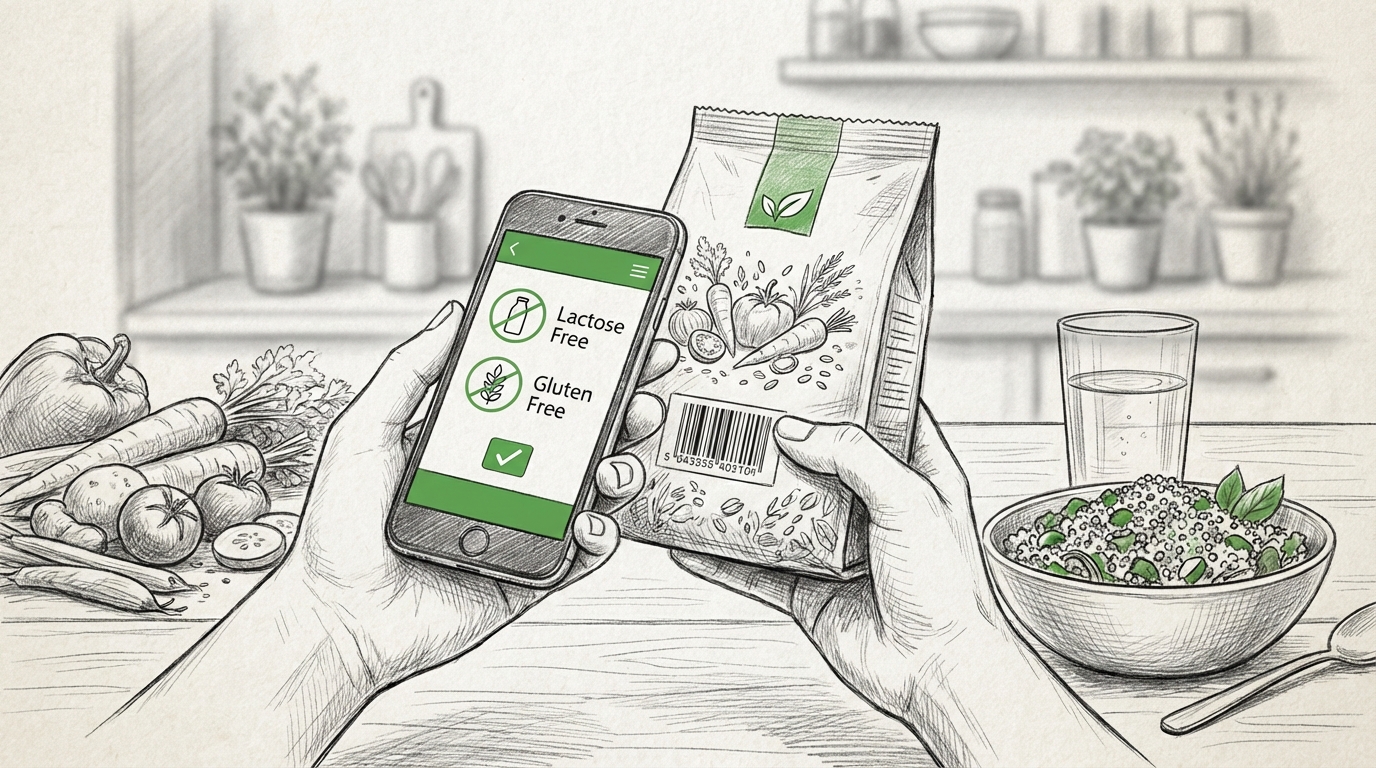
An allergy checker app scans product barcodes to instantly detect up to 13 different allergens, including lactose and gluten, plus traces, additives, and preservatives. Available on iOS and Android, these apps provide real-time verification while shopping or dining out, eliminating guesswork and reducing the risk of accidental exposure to allergens in packaged foods and restaurant meals.
Are there gluten free cheese-its and similar snacks that are also lactose free?
While traditional gluten free cheese-its contain dairy and lactose, several brands now offer both gluten and lactose free alternatives made with plant-based cheese. Always verify ingredients using an allergy checker app, as formulations vary by brand and region. Look for products labeled certified gluten-free and dairy-free, and scan barcodes to confirm they're free from hidden allergens and additives.
How do I use the Chipotle nutrition calculator to find lactose and gluten free meals?
The Chipotle nutrition calculator and nutrition info tool allows you to customize your meal and view detailed allergen information. Select gluten-free options like corn tortillas, rice, beans, and grilled proteins, while avoiding dairy-based ingredients like cheese and sour cream. The calculator displays complete nutritional data and allergen warnings, helping you build safe lactose and gluten free meals that meet your dietary needs.
What gluten free wheat free beer options are also lactose free?
Most gluten free wheat free beers are naturally lactose free, made from alternative grains like sorghum, rice, millet, or buckwheat. Popular brands include Omission, Glutenberg, and Ground Breaker. However, some craft beers contain milk sugar or lactose for sweetness. Always check labels or use an allergy checker app to scan barcodes and verify the beer is completely free from both gluten and dairy ingredients.
Why should I check for additives like poly carboxylic acid in lactose and gluten free meals?
Additives like poly carboxylic acid, methane sulfonic acid, and hydroxy stearic acid are used as stabilizers and preservatives in processed foods, including some gluten and lactose free products. While generally recognized as safe, some individuals experience sensitivities to these chemicals. An allergy checker app detects these additives by scanning barcodes, helping you make informed decisions about processed versus whole-food lactose and gluten free meals.
Can I trust restaurant nutrition calculators for lactose and gluten free meal planning?
Restaurant nutrition calculators like Chipotle's nutrition info tool provide helpful guidance for lactose and gluten free meals, but cross-contamination risks exist in shared kitchens. Use these calculators as a starting point, then communicate directly with staff about allergies. For packaged products, an allergy checker app offers more reliable verification by scanning barcodes to detect all 13 major allergens, traces, and hidden additives.
What should I look for when scanning barcodes for lactose and gluten free meals?
When scanning barcodes with an allergy checker app, look for detection of gluten-containing grains (wheat, barley, rye) and dairy derivatives (lactose, casein, whey). The app should also identify traces from cross-contamination, plus additives and preservatives that may trigger sensitivities. This comprehensive scanning ensures your lactose and gluten free meals are truly safe, going beyond basic label reading to catch hidden allergens.
Understanding Lactose and Gluten Free Meals: A Complete Guide

Finding safe and delicious lactose and gluten free meals can be challenging when managing multiple dietary restrictions. Whether you're dealing with celiac disease, lactose intolerance, or both conditions simultaneously, understanding how to identify safe foods and plan nutritious meals is essential for maintaining your health and quality of life.
This comprehensive guide will walk you through everything you need to know about preparing and selecting lactose and gluten free meals, from ingredient identification to meal planning strategies. With the right tools and knowledge, you can enjoy a diverse, satisfying diet without compromising your health.
What Makes a Meal Both Lactose and Gluten Free?

A truly lactose and gluten free meal must exclude all sources of both dairy-derived lactose and wheat-based gluten. This requires careful attention to ingredient labels and potential cross-contamination risks.
Understanding Gluten Sources
Gluten is a protein found in wheat, barley, rye, and their derivatives. It hides in many unexpected places, including sauces, seasonings, and processed foods. Even products labeled as "wheat-free" may contain gluten from barley or rye sources.
- Wheat and wheat derivatives (including spelt, kamut, and farro)
- Barley and malt products
- Rye and triticale
- Cross-contaminated oats (unless certified gluten-free)
- Hidden sources in sauces, gravies, and processed foods
Identifying Lactose-Containing Ingredients
Lactose appears in obvious dairy products like milk, cheese, and yogurt, but also lurks in many processed foods. Understanding ingredient labels is crucial for avoiding accidental exposure.
- Milk, cream, and butter
- Cheese, yogurt, and ice cream
- Whey, casein, and milk solids
- Some medications and supplements containing lactose as a filler
- Processed foods with hidden dairy ingredients
Essential Tools for Managing Dual Food Restrictions

Modern technology has made it significantly easier to identify safe foods when managing multiple dietary restrictions. Using an allergy checker app can streamline your grocery shopping and meal planning process.
How Food Scanning Apps Help
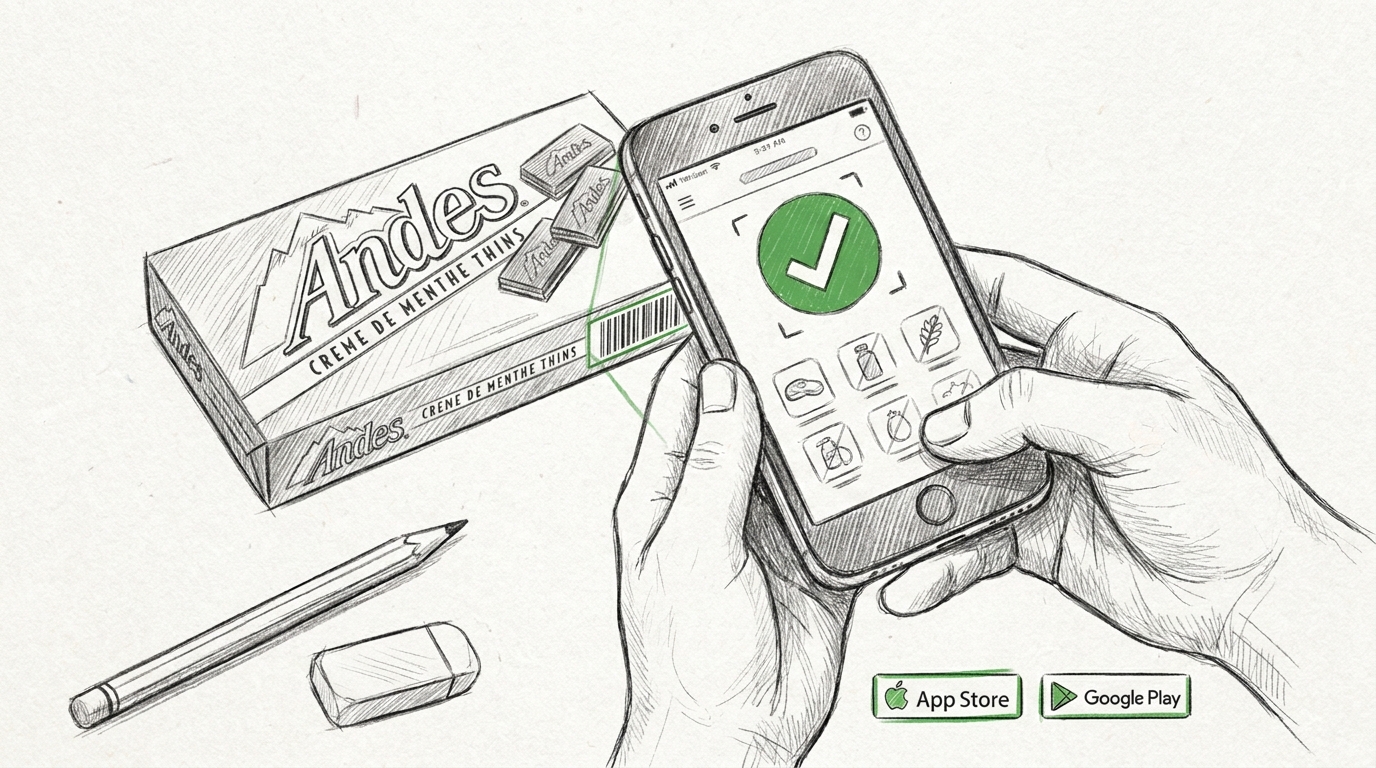
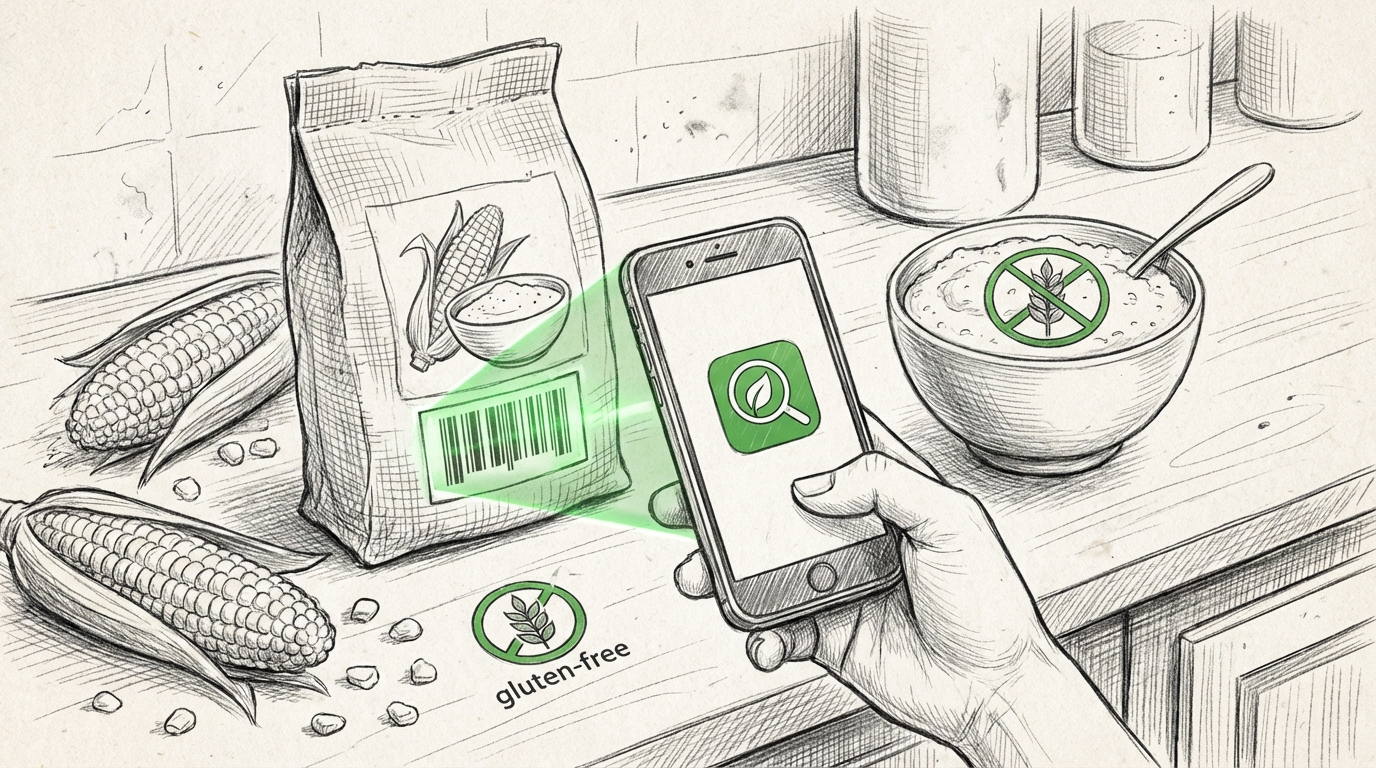
A comprehensive food allergy app allows you to scan product barcodes and instantly identify potential allergens, including gluten and lactose. These tools detect not just primary ingredients but also traces, additives, and preservatives that might cause reactions.
The best allergy scanning apps can identify up to 13 different allergens simultaneously, making them invaluable for people managing multiple dietary restrictions. This technology saves time and reduces the anxiety associated with grocery shopping.
Planning Nutritious Lactose and Gluten Free Meals
Creating balanced meals without gluten or lactose requires thoughtful planning but offers plenty of delicious options. Focus on naturally safe whole foods while being strategic about substitutions.
Building Your Meal Foundation
Start with naturally gluten-free and lactose-free proteins, vegetables, and grains. These form the foundation of nutritious meals that satisfy without triggering symptoms.
| Protein Type | Examples | Preparation Tips |
|---|---|---|
| Poultry | Chicken, turkey, duck | Use gluten-free seasonings; avoid breading |
| Seafood | Fish, shrimp, scallops | Check for cross-contamination in processing |
| Meat | Beef, pork, lamb | Avoid marinades with gluten or dairy |
| Plant-Based | Beans, lentils, tofu | Verify processing methods for cross-contact |
Selecting Safe Grains and Starches
Many naturally gluten-free grains provide excellent nutrition and variety. Rice, quinoa, buckwheat, and certified gluten-free oats offer diverse textures and flavors for your meals.
- White and brown rice (all varieties)
- Quinoa and amaranth
- Buckwheat and millet
- Certified gluten-free oats
- Corn and corn-based products
- Potatoes and sweet potatoes
Smart Snacking Without Gluten or Lactose
Finding convenient snacks that meet both dietary requirements can be challenging. Fortunately, the market now offers numerous options specifically designed for multiple restrictions.
For comprehensive options, check out this guide to gluten free dairy free snacks featuring over 50 safe choices you can purchase with confidence.
Popular Packaged Snack Options
While traditional snacks like cheese-its aren't suitable for these restrictions, manufacturers now produce gluten free cheese-its alternatives using rice flour and dairy-free cheese substitutes. Always verify labels, as formulations can change.
- Rice cakes with nut butter
- Fresh fruits and vegetables with hummus
- Gluten-free pretzels and crackers (dairy-free varieties)
- Nuts and seeds (plain or lightly seasoned)
- Popcorn with safe seasonings
- Dairy-free dark chocolate
Dining Out: Restaurant Navigation Strategies
Eating at restaurants requires extra vigilance when managing dual dietary restrictions. Many popular chains now provide detailed nutritional information to help customers make informed choices.
Using Nutrition Calculators
Major restaurant chains offer online tools like the chipotle nutrition calculator that allow you to customize meals and view complete ingredient lists. This chipotle nutrition info helps you build safe bowls by selecting rice, beans, proteins, and toppings that meet your dietary needs.
When using a chipotle nutrition calculator, focus on naturally safe ingredients like white or brown rice, black or pinto beans, fajita vegetables, and grilled proteins. Avoid cheese, sour cream, and flour tortillas.
Questions to Ask Restaurant Staff
Don't hesitate to ask detailed questions about food preparation. Restaurant staff should be able to provide information about ingredients and cross-contamination risks.
- Are there shared cooking surfaces or fryers?
- Which menu items are naturally gluten and dairy-free?
- Can you prepare my meal separately to avoid cross-contact?
- What oils and seasonings do you use?
- Are your gluten-free options also dairy-free?
Understanding Food Additives and Preservatives
Many processed foods contain additives that may derive from gluten or dairy sources. Understanding these ingredients helps you make safer choices when selecting packaged foods.
Common Additives to Watch
Certain food additives require extra scrutiny. While ingredients like hydroxy stearic acid, methane sulfonic acid, and poly carboxylic acid are typically synthetic and don't contain gluten or lactose, they may be processed in facilities that handle allergens.
| Additive Type | Typical Safety | Considerations |
|---|---|---|
| Hydroxy stearic acid | Generally safe | Verify manufacturing process |
| Methane sulfonic acid | Typically synthetic | Check for cross-contamination |
| Poly carboxylic acid | Usually safe | Confirm with manufacturer |
| Modified food starch | Varies by source | Must specify if wheat-based |
Using an allergy checker app helps identify these additives quickly by scanning product barcodes, saving you time and reducing uncertainty at the grocery store.
Beverage Options for Dual Restrictions
Finding safe beverages extends beyond avoiding milk and malted drinks. Many alcoholic and non-alcoholic beverages contain hidden gluten or lactose.
Alcoholic Beverage Considerations
Beer traditionally contains gluten from barley or wheat, but the market now offers numerous gluten free wheat free beer options made from sorghum, rice, or other alternative grains. These gluten free wheat free beer varieties provide flavor profiles similar to traditional beers without triggering symptoms.
- Certified gluten-free beers (made from sorghum, rice, or millet)
- Wine (most varieties are naturally safe)
- Distilled spirits (vodka, rum, tequila, gin)
- Hard ciders (verify ingredients)
- Gluten-free hard seltzers
Non-Alcoholic Options
Most non-alcoholic beverages are naturally safe, but always check labels on flavored drinks and specialty beverages for hidden ingredients.
- Water, sparkling water, and mineral water
- Coffee and tea (plain, without dairy)
- Fresh fruit juices
- Coconut water
- Plant-based milk alternatives (almond, oat, coconut, soy)
Meal Prep Strategies for Success
Batch cooking and meal preparation simplify adherence to dietary restrictions while ensuring you always have safe options available. Planning ahead reduces stress and prevents emergency situations where safe food isn't available.
Weekly Meal Planning Template
Dedicate time each week to plan meals, create shopping lists, and prep ingredients. This systematic approach prevents last-minute decisions that might compromise your dietary needs.
- Choose 3-4 main protein sources for the week
- Select complementary vegetables and grains
- Prepare base ingredients in bulk (rice, roasted vegetables, cooked proteins)
- Store components separately for mix-and-match meals
- Label everything with preparation dates
Safe Storage and Contamination Prevention
Proper storage prevents cross-contamination in shared kitchens. Use dedicated containers and clearly label all gluten-free and dairy-free items.
- Use separate cutting boards and utensils
- Store safe foods on upper shelves to prevent contamination from above
- Clearly label all containers
- Clean surfaces thoroughly before preparing restricted meals
- Consider dedicated toasters and cooking equipment if possible
Nutritional Considerations and Supplementation
Eliminating both gluten and lactose requires attention to nutritional adequacy. Dairy products provide calcium and vitamin D, while fortified wheat products offer B vitamins and iron.
Key Nutrients to Monitor
Work with a healthcare provider or registered dietitian to ensure you're meeting all nutritional needs through diet or supplementation.
| Nutrient | Typical Source | Safe Alternatives |
|---|---|---|
| Calcium | Dairy products | Leafy greens, fortified plant milks, sardines |
| Vitamin D | Fortified dairy | Sunlight, fatty fish, fortified alternatives |
| B Vitamins | Fortified wheat | Meat, eggs, fortified gluten-free products |
| Fiber | Whole wheat | Fruits, vegetables, gluten-free whole grains |
Reading Labels Like a Pro
Label reading becomes second nature with practice, but knowing what to look for accelerates the learning process. Understanding labeling regulations helps you make quick, confident decisions.
Required Allergen Disclosures
In many countries, manufacturers must clearly disclose major allergens including wheat and milk. However, gluten from barley or rye may not be as obvious, requiring additional scrutiny.
Look for these phrases that indicate gluten or lactose presence:
- "Contains: Wheat, Milk" (required allergen statement)
- "May contain traces of wheat or milk" (cross-contamination warning)
- "Processed in a facility that handles wheat and dairy"
- Ingredient names like whey, casein, malt, or modified food starch
Certification Labels to Trust
Third-party certifications provide additional assurance. Look for logos from recognized organizations that verify gluten-free and dairy-free status.
- Certified Gluten-Free (GFCO) seal
- Certified Vegan (automatically dairy-free)
- Kosher Pareve (dairy-free designation)
- Specific allergen-free certifications
Sample Meal Plans for Different Occasions
Having go-to meal ideas for various situations ensures you're never caught without safe options. These sample plans demonstrate the variety possible within dietary restrictions.
Quick Weeknight Dinner Ideas
Simple meals that come together in 30 minutes or less make weeknight cooking manageable even with dietary restrictions.
- Grilled chicken with roasted vegetables and quinoa
- Stir-fried shrimp with rice noodles and vegetables
- Taco bowls with seasoned ground beef, rice, beans, and salsa
- Baked salmon with sweet potato and steamed broccoli
- Turkey and vegetable soup with gluten-free crackers
Weekend Brunch Options
Weekend meals allow more time for creative cooking while maintaining dietary compliance. For nutritional information on specific ingredients, check resources like english muffin nutrition info to understand what to look for in gluten-free alternatives.
- Vegetable frittata with hash browns
- Gluten-free pancakes with fresh berries and maple syrup
- Smoothie bowls with fruit and gluten-free granola
- Breakfast burrito bowls with scrambled eggs, potatoes, and avocado
- Overnight oats made with dairy-free milk
Managing Social Situations and Special Events
Holidays, parties, and social gatherings present unique challenges when managing dietary restrictions. Preparation and communication help you navigate these situations successfully.
Communicating Your Needs
Clear, confident communication about dietary restrictions helps hosts accommodate your needs without feeling burdened. Offer to bring a dish that you can safely eat and that others will enjoy too.
When attending events, consider these strategies:
- Contact the host in advance to discuss menu options
- Offer to bring a shareable dish that meets your requirements
- Eat a small meal beforehand to avoid feeling hungry
- Bring safe snacks in case suitable options are limited
- Focus on naturally safe foods like vegetables, fruits, and plain proteins
Holiday Meal Adaptations
Traditional holiday meals often center around gluten and dairy-heavy dishes, but most can be adapted successfully with proper planning and ingredient substitutions.
| Traditional Dish | Main Issues | Safe Alternative |
|---|---|---|
| Stuffing | Bread contains gluten | Use gluten-free bread or rice-based stuffing |
| Mashed Potatoes | Often contains butter and milk | Use dairy-free butter and plant milk |
| Green Bean Casserole | Cream soup contains dairy | Make dairy-free cream sauce from scratch |
| Desserts | Flour and dairy | Use gluten-free flour blends and dairy substitutes |
Building Your Safe Food Pantry
Stocking your kitchen with versatile, safe ingredients ensures you can always prepare compliant meals without last-minute shopping trips. Focus on shelf-stable items that form the foundation of diverse recipes.
Essential Pantry Staples
These ingredients provide the building blocks for countless lactose and gluten free meals while offering long shelf life and versatility.
- Gluten-free grains: rice, quinoa, certified gluten-free oats
- Canned beans and lentils
- Gluten-free pasta and noodles
- Canned tomatoes and tomato sauce
- Coconut milk and other dairy-free milk alternatives
- Olive oil and other safe cooking oils
- Gluten-free flours for baking
- Nuts, seeds, and nut butters
- Herbs, spices, and safe seasonings
- Gluten-free soy sauce or tamari
Refrigerator and Freezer Essentials
Keep these items on hand for quick meal assembly and emergency situations when you need safe food immediately.
- Fresh fruits and vegetables
- Dairy-free cheese and yogurt alternatives
- Fresh proteins (chicken, fish, tofu)
- Frozen vegetables and fruits
- Frozen gluten-free bread products
- Pre-cooked rice or quinoa packets
- Safe condiments and sauces
Common Mistakes to Avoid
Even experienced individuals managing dietary restrictions occasionally make mistakes. Learning from common pitfalls helps you maintain compliance and avoid uncomfortable symptoms.
Cross-Contamination Oversights
Cross-contamination occurs more easily than many realize. Small amounts of gluten or lactose from shared equipment or surfaces can trigger reactions in sensitive individuals.
- Using the same toaster for regular and gluten-free bread
- Sharing butter or spreads that may contain crumbs
- Not thoroughly cleaning surfaces before food preparation
- Assuming "gluten-free" automatically means "dairy-free" or vice versa
- Trusting unlabeled bulk bin items
Hidden Ingredient Assumptions
Never assume a product is safe without reading the label, even if you've purchased it before. Manufacturers frequently change formulations without obvious packaging changes.
Always verify labels on:
- Seasonings and spice blends (may contain wheat or dairy fillers)
- Processed meats (often contain milk proteins or wheat binders)
- Sauces and condiments (frequently contain hidden dairy or gluten)
- Medications and supplements (may use lactose as inactive ingredient)
- Restaurant dishes that seem naturally safe
Resources and Support Communities
Managing multiple dietary restrictions becomes easier with support from others facing similar challenges. Online communities, apps, and educational resources provide valuable information and encouragement.
Digital Tools and Apps
Technology streamlines the process of identifying safe foods and connecting with supportive communities. Modern apps offer features that were unimaginable just a few years ago.
The Nutrict food allergy scanner app provides comprehensive allergen detection by scanning product barcodes, identifying 13 different allergens including gluten and lactose, plus traces, additives, and preservatives. This tool works on both iOS and Android devices, making grocery shopping faster and more confident.
Educational Resources
Continue learning about your dietary restrictions through reputable sources. Understanding the science behind your conditions empowers better decision-making.
Explore additional resources like guides to specific foods such as is Ezekiel bread gluten free or is Yoplait yogurt healthy to understand which common products fit your dietary needs.
Looking Forward: Living Well With Dietary Restrictions
Managing lactose and gluten free meals becomes progressively easier as you develop routines, discover favorite products, and build confidence in your ability to navigate various situations. While the learning curve may feel steep initially, most people adapt within a few months.
Focus on what you can eat rather than restrictions. The variety of naturally safe whole foods provides endless culinary possibilities. With proper planning and the right tools, you can enjoy delicious, nutritious meals that support your health without triggering uncomfortable symptoms.
Embracing the Journey
Your dietary restrictions don't define you, but managing them successfully contributes to overall wellbeing. Celebrate small victories, learn from mistakes, and remember that perfection isn't the goal—consistent effort and informed choices are what matter most.
Many people report that managing dietary restrictions ultimately leads to a healthier overall diet, as they become more mindful about food choices and ingredient quality. This awareness often extends to family members, creating positive changes for everyone.
Take Control of Your Dietary Management Today
Living with lactose and gluten restrictions doesn't mean sacrificing enjoyment or convenience. With the right knowledge, tools, and support, you can confidently navigate any food situation while maintaining optimal health.
Ready to simplify your allergen management? Visit Nutrict to download the comprehensive food allergy scanner app that instantly identifies gluten, lactose, and 11 other allergens by simply scanning product barcodes. Available on both iOS and Android, Nutrict empowers you to make informed decisions quickly and confidently, transforming grocery shopping from a stressful challenge into a streamlined experience.
Start your journey toward easier, more confident food choices today. Your health and peace of mind are worth the investment in tools that work as hard as you do to maintain your dietary needs.
Article created using IntentRank