Is Greek Yogurt Good for Dogs? Safety & Benefits Guide
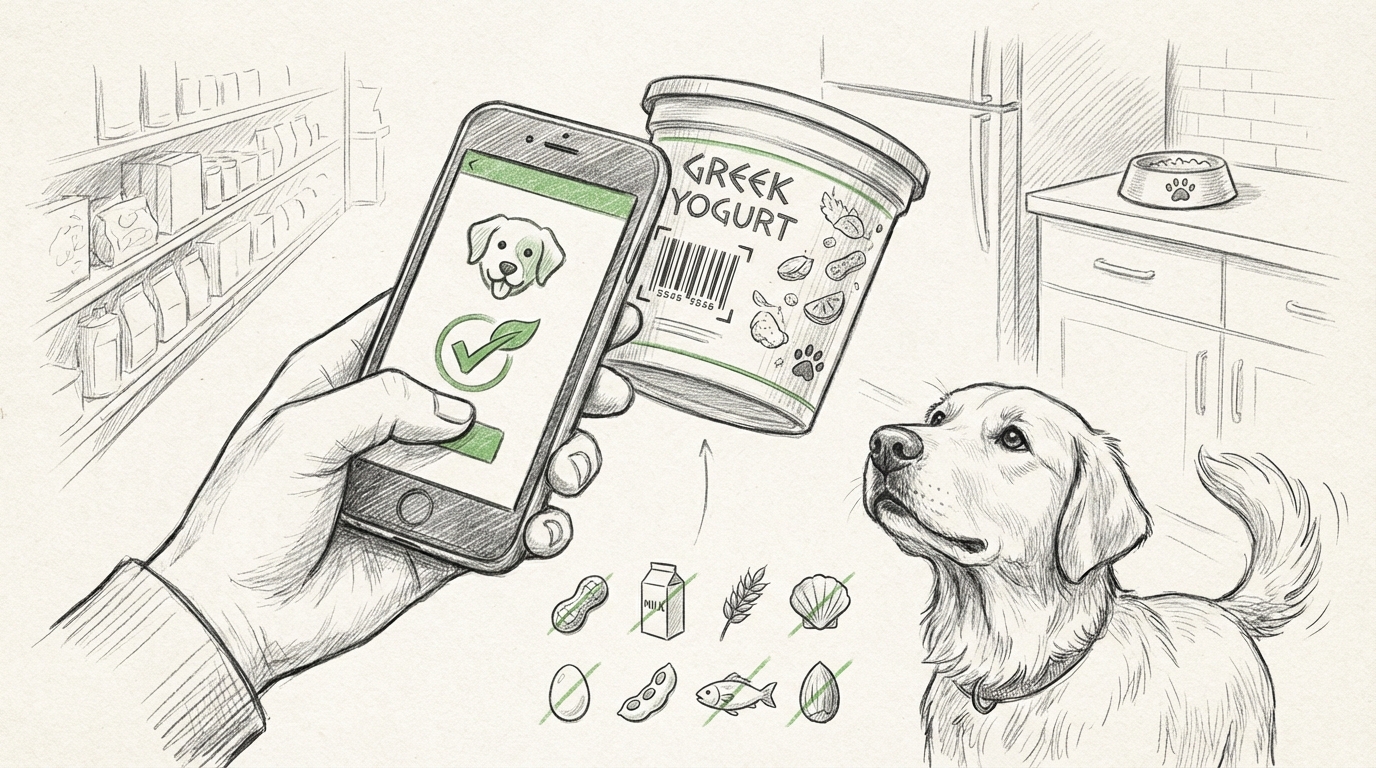
TL;DR: Yes, Greek yogurt is good for dogs in moderation. It's a safe, protein-rich treat that provides probiotics for digestive health and calcium for strong bones. Choose plain, unsweetened Greek yogurt without artificial sweeteners like xylitol, which is toxic to dogs. Limit portions to avoid digestive upset, especially for lactose-sensitive dogs.
Frequently Asked Questions

Is Greek yogurt good for dogs?
Yes, Greek yogurt is generally good for dogs in moderation. It contains beneficial probiotics that support digestive health, plus protein and calcium. Choose plain, unsweetened Greek yogurt without artificial sweeteners like xylitol, which is toxic to dogs. Start with small amounts to ensure your dog doesn't have lactose intolerance, and consult your veterinarian before adding it to their diet regularly.
How much Greek yogurt can I give my dog?
For small dogs, give 1 teaspoon to 1 tablespoon of Greek yogurt daily. Medium dogs can have 2-3 tablespoons, while large dogs can safely consume up to 4 tablespoons per day. Greek yogurt should comprise no more than 10% of your dog's daily caloric intake. Always introduce it gradually to monitor for digestive issues or allergic reactions.
What ingredients in Greek yogurt are harmful to dogs?
Artificial sweeteners like xylitol are extremely toxic to dogs and can cause liver failure. Added sugars, chocolate, artificial flavors, and fruit additives can also be harmful. Some dogs may react to additives or preservatives in flavored yogurts. Always check labels carefully and choose plain, unsweetened Greek yogurt. An allergy checker app can help identify potentially harmful ingredients in yogurt products.
Can Greek yogurt help dogs with digestive problems?
Yes, Greek yogurt contains live probiotics that can benefit dogs with digestive issues. These beneficial bacteria help balance gut flora, potentially reducing diarrhea, gas, and bloating. The probiotics may also strengthen the immune system. However, some dogs are lactose intolerant, which could worsen digestive problems. Consult your veterinarian before using Greek yogurt to treat digestive issues.
Is plain Greek yogurt better for dogs than regular yogurt?
Yes, plain Greek yogurt is generally better for dogs than regular yogurt. It contains more protein, less lactose, and fewer carbohydrates, making it easier to digest. Greek yogurt also has a thicker consistency with concentrated probiotics. Both should be plain and unsweetened, but Greek yogurt's lower lactose content makes it more suitable for dogs with mild lactose sensitivity.
What are signs my dog is allergic to Greek yogurt?
Signs of Greek yogurt allergy in dogs include vomiting, diarrhea, excessive gas, skin irritation, itching, hives, or facial swelling. Some dogs may experience ear infections or paw licking. Lactose intolerance symptoms appear within hours, while true dairy allergies may take longer to manifest. If you notice these symptoms, discontinue feeding Greek yogurt immediately and consult your veterinarian.
Can puppies eat Greek yogurt safely?
Puppies over 12 weeks old can generally eat small amounts of plain Greek yogurt safely. Their digestive systems are still developing, so introduce it very gradually with tiny portions. Greek yogurt can provide beneficial probiotics and calcium for growing puppies. However, avoid giving yogurt to very young puppies under 8 weeks. Always consult your veterinarian before adding new foods to a puppy's diet.
Should I check Greek yogurt labels for dog allergens?
Yes, always check Greek yogurt labels before feeding it to your dog. Look for harmful ingredients like xylitol, artificial sweeteners, added sugars, chocolate, or artificial additives. An allergy checker app can help identify potentially dangerous ingredients by scanning product barcodes. Choose organic, plain Greek yogurt with live active cultures and no added ingredients for the safest option for your dog.
Understanding Greek Yogurt and Canine Nutrition

If you've ever wondered "is greek yogurt good for dogs," you're not alone. Many pet owners are increasingly curious about incorporating human foods into their dog's diet, and Greek yogurt has emerged as a popular option. This creamy, protein-rich food offers potential health benefits for our canine companions, but understanding the proper way to feed it to your dog is essential for their safety and wellbeing.
Greek yogurt differs from regular yogurt in its straining process, which removes more whey and lactose, resulting in a thicker consistency and higher protein content. This makes it potentially more digestible for dogs compared to traditional yogurt varieties.
Before introducing any new food to your pet's diet, it's crucial to understand both the benefits and potential risks. Just as humans need to be aware of food allergens and additives in their diet, pet owners should exercise similar caution when selecting foods for their dogs.
Is Greek Yogurt Good for Dogs? The Nutritional Benefits

Protein-Packed Powerhouse
Greek yogurt contains approximately twice the protein of regular yogurt, making it an excellent supplement for dogs. Protein supports muscle development, tissue repair, and overall growth in canines of all ages.
The high protein content in Greek yogurt can be particularly beneficial for active dogs, working breeds, or those recovering from illness. However, it should always be given as a treat or supplement rather than a meal replacement.
Probiotic Properties for Digestive Health
One of the most significant benefits of Greek yogurt for dogs is its probiotic content. These beneficial bacteria support digestive health and can help maintain a balanced gut microbiome.
- Promotes healthy digestion and nutrient absorption
- May help alleviate symptoms of diarrhea or upset stomach
- Supports immune system function through gut health
- Can help restore beneficial bacteria after antibiotic treatment
Essential Vitamins and Minerals
Greek yogurt provides several important nutrients that contribute to canine health. Calcium supports strong bones and teeth, while B vitamins aid in energy metabolism and nervous system function.
The mineral content in Greek yogurt, including phosphorus and magnesium, works synergistically with calcium to maintain skeletal health. These nutrients are particularly important for growing puppies and senior dogs prone to bone density issues.
Potential Risks and Considerations
Lactose Intolerance in Dogs
While Greek yogurt contains less lactose than regular yogurt due to the straining process, some dogs may still experience digestive upset. Dogs naturally produce less lactase enzyme as they mature, making dairy digestion more challenging.
Signs of lactose intolerance in dogs include gas, bloating, diarrhea, and abdominal discomfort. If you notice any of these symptoms after feeding Greek yogurt, discontinue use and consult your veterinarian.
Avoiding Harmful Additives and Sweeteners
The most critical consideration when selecting Greek yogurt for dogs is avoiding products containing xylitol, an artificial sweetener that is extremely toxic to canines. Even small amounts can cause severe hypoglycemia and liver failure.
Many commercial yogurts also contain various additives and preservatives that may not be suitable for dogs. Reading ingredient labels carefully is essential, similar to how individuals with food allergies must scrutinize product labels. For those managing dietary restrictions, using an allergy checker app can help identify problematic ingredients in human foods.
| Ingredient | Risk Level | Potential Effects |
|---|---|---|
| Xylitol | Extremely High | Hypoglycemia, liver failure, death |
| Artificial sweeteners | High | Digestive upset, toxicity |
| Added sugars | Moderate | Weight gain, dental issues, diabetes risk |
| Fruit flavors with grapes/raisins | High | Kidney failure |
| Chocolate flavoring | High | Toxicity, cardiac issues |
Understanding Food Additives and Preservatives
Commercial yogurt products may contain various chemical additives that warrant attention. Ingredients like hydroxy stearic acid, methane sulfonic acid, and poly carboxylic acid are sometimes used in food processing and preservation.
While these compounds are generally recognized as safe for human consumption in regulated amounts, their effects on canine health are less studied. Choosing plain, organic Greek yogurt minimizes exposure to these additives.
How to Safely Feed Greek Yogurt to Your Dog
Choosing the Right Type
Always select plain, unsweetened Greek yogurt with no artificial flavors or sweeteners. The ingredient list should be minimal: milk and live active cultures.
Full-fat, low-fat, and non-fat Greek yogurt are all acceptable options, though full-fat varieties provide more calories. Consider your dog's weight, activity level, and overall dietary needs when selecting the fat content.
Proper Portion Sizes
Moderation is key when feeding Greek yogurt to dogs. Even healthy treats should comprise no more than 10% of your dog's daily caloric intake.
- Small dogs (under 20 lbs): 1 teaspoon to 1 tablespoon daily
- Medium dogs (20-50 lbs): 1-2 tablespoons daily
- Large dogs (over 50 lbs): 2-3 tablespoons daily
Start with smaller amounts when introducing Greek yogurt for the first time, monitoring your dog for any adverse reactions over 24-48 hours.
Creative Ways to Serve
Greek yogurt can be incorporated into your dog's diet in various enjoyable ways beyond simple spoonfuls. Mix it with their regular kibble, use it as a base for frozen treats, or stuff it into puzzle toys for mental stimulation.
During hot weather, frozen Greek yogurt treats can provide cooling relief while delivering nutritional benefits. Combine plain Greek yogurt with dog-safe fruits like blueberries or bananas, pour into ice cube trays, and freeze.
Comparing Greek Yogurt to Other Dog-Friendly Foods
Greek Yogurt vs. Regular Yogurt
Greek yogurt's straining process removes more whey, resulting in lower lactose content and higher protein concentration compared to regular yogurt. This makes it generally more suitable for dogs with mild lactose sensitivity.
The thicker consistency of Greek yogurt also makes it easier to use as a treat or food topper without creating mess. However, both types should be plain and unsweetened when fed to dogs.
Alternative Probiotic Sources
While Greek yogurt offers excellent probiotic benefits, it's not the only option for supporting canine digestive health. Kefir, another fermented dairy product, contains even more diverse probiotic strains but also higher lactose levels.
Non-dairy alternatives like specially formulated canine probiotic supplements provide targeted bacterial strains without lactose concerns. These can be particularly useful for dogs with confirmed dairy sensitivities.
| Food Type | Probiotic Strains | Lactose Content | Best For |
|---|---|---|---|
| Greek Yogurt | Moderate variety | Low | Most dogs, daily use |
| Regular Yogurt | Moderate variety | Moderate | Dogs without lactose issues |
| Kefir | High variety | Moderate-High | Dogs tolerating dairy well |
| Probiotic Supplements | Targeted strains | None | Lactose-intolerant dogs |
Special Dietary Considerations and Allergies
Dogs with Food Sensitivities
Just as humans manage food allergies and dietary restrictions, dogs can develop sensitivities to various ingredients. Dairy products, including Greek yogurt, are among the more common canine allergens.
Symptoms of dairy allergy in dogs differ from lactose intolerance and may include skin irritation, excessive scratching, ear infections, and gastrointestinal issues. If your dog exhibits these signs, consult your veterinarian before continuing yogurt supplementation.
Managing dietary restrictions requires careful attention to ingredient labels and product composition. Just as people with celiac disease seek out gluten free dairy free snacks or those looking for gluten-free bread alternatives, pet owners must become vigilant label readers.
Nutritional Tracking and Calorie Management
Incorporating Greek yogurt into your dog's diet requires accounting for the additional calories to prevent weight gain. Understanding nutritional content is crucial for maintaining optimal health.
Similar to how health-conscious individuals use tools like a chipotle nutrition calculator to track their macro intake or review chipotle nutrition info for meal planning, pet owners should calculate the caloric impact of treats and supplements.
A typical tablespoon of plain Greek yogurt contains approximately 15-20 calories, which may seem minimal but can add up quickly, especially for smaller dogs with lower daily caloric requirements.
When to Avoid Greek Yogurt
Medical Conditions and Contraindications
Certain health conditions warrant avoiding Greek yogurt or any dairy products for dogs. Dogs with pancreatitis should typically avoid high-fat foods, making low-fat or non-fat Greek yogurt a better choice if approved by your veterinarian.
Dogs with kidney disease may need to limit protein intake, and the concentrated protein in Greek yogurt could be contraindicated. Always consult your veterinarian before introducing new foods to dogs with chronic health conditions.
Puppies and Senior Dogs
While Greek yogurt can benefit dogs of all ages, special considerations apply to puppies and senior dogs. Puppies have developing digestive systems and may be more sensitive to new foods.
Senior dogs often experience decreased enzyme production and may have more difficulty digesting dairy products. Start with very small amounts and monitor closely for any adverse reactions.
Reading Labels and Ingredient Awareness
Identifying Safe Products
The ability to quickly identify safe food products is valuable for both human and pet nutrition management. Modern technology has made this easier through various scanning applications.
For people managing their own dietary restrictions, a food allergy app can scan barcodes and detect allergens in products. This same careful scrutiny should apply when selecting foods for your dog.
When shopping for Greek yogurt for your dog, look for products with minimal ingredients and avoid those containing fruit preparations, which often include added sugars and potentially toxic ingredients like grapes.
Understanding Alternative Products
The market offers various specialty food products for those with dietary restrictions. For example, consumers seeking alternatives might look for gluten free cheese-its or gluten free wheat free beer options.
While these products address human dietary needs, they don't necessarily translate to dog-safe options. Dogs have different nutritional requirements and tolerances than humans, requiring species-appropriate food choices.
Maximizing the Benefits of Greek Yogurt
Combining with Other Healthy Foods
Greek yogurt can serve as a nutritious base for combining other dog-safe foods. Mix it with pureed pumpkin for digestive support, or blend with dog-safe berries for antioxidant benefits.
Creating balanced treat combinations ensures your dog receives varied nutrients while keeping treats interesting. Always research individual ingredients to confirm they're safe for canine consumption before mixing.
Using as a Medication Delivery Method
Many pet owners discover that Greek yogurt's thick, creamy texture makes it an excellent medium for administering medications. Dogs often willingly consume pills hidden in yogurt when they might refuse other methods.
This practical application makes Greek yogurt particularly valuable for dogs requiring regular medication, improving compliance and reducing stress for both pet and owner.
Supporting Recovery and Health Maintenance
Greek yogurt can play a supportive role during recovery from illness, particularly after antibiotic treatment that disrupts beneficial gut bacteria. The probiotics help restore healthy digestive flora.
For dogs experiencing temporary digestive upset, small amounts of plain Greek yogurt may help soothe the gastrointestinal tract and promote recovery. However, persistent symptoms always warrant veterinary attention.
Making Informed Decisions About Your Dog's Diet
Determining whether Greek yogurt is good for your specific dog requires considering multiple factors: their individual health status, any existing food sensitivities, weight management needs, and overall dietary balance.
Just as humans benefit from understanding nutritional information and ingredient composition in their food choices, pet owners must develop similar awareness for their dogs' diets. Whether you're checking english muffin nutrition info for yourself or corn on the cob calories for meal planning, this same attention to detail benefits your pet.
The key to successfully incorporating Greek yogurt into your dog's diet lies in moderation, quality selection, and careful monitoring. Start slowly, choose plain unsweetened varieties, and watch for any adverse reactions.
Remember that every dog is unique, and what works well for one may not suit another. When in doubt, consult your veterinarian for personalized dietary recommendations based on your dog's specific health needs and circumstances.
Take Control of Your Family's Nutritional Health
Managing dietary needs and food safety requires vigilance, whether you're selecting foods for yourself, your children, or your pets. Understanding ingredient composition and potential allergens is essential for maintaining health and preventing adverse reactions.
If you're someone who carefully monitors ingredients and allergens in your own diet, you understand the importance of quick, accurate food information. The same careful approach benefits your entire household, including your four-legged family members.
For those managing food allergies or dietary restrictions, having reliable tools to identify problematic ingredients makes shopping and meal planning significantly easier. Nutrict's food allergy scanner app helps you quickly scan barcodes to detect 13 different allergens, traces, additives, and preservatives in products, giving you confidence in your food choices.
Whether you're checking yogurt for your dog or evaluating products like Yoplait yogurt for your family, having instant access to comprehensive ingredient information empowers better decisions. Download Nutrict today and take control of your family's nutritional safety with confidence.
Article created using IntentRank