Is Ezekiel Bread Gluten Free? Complete Allergen Guide
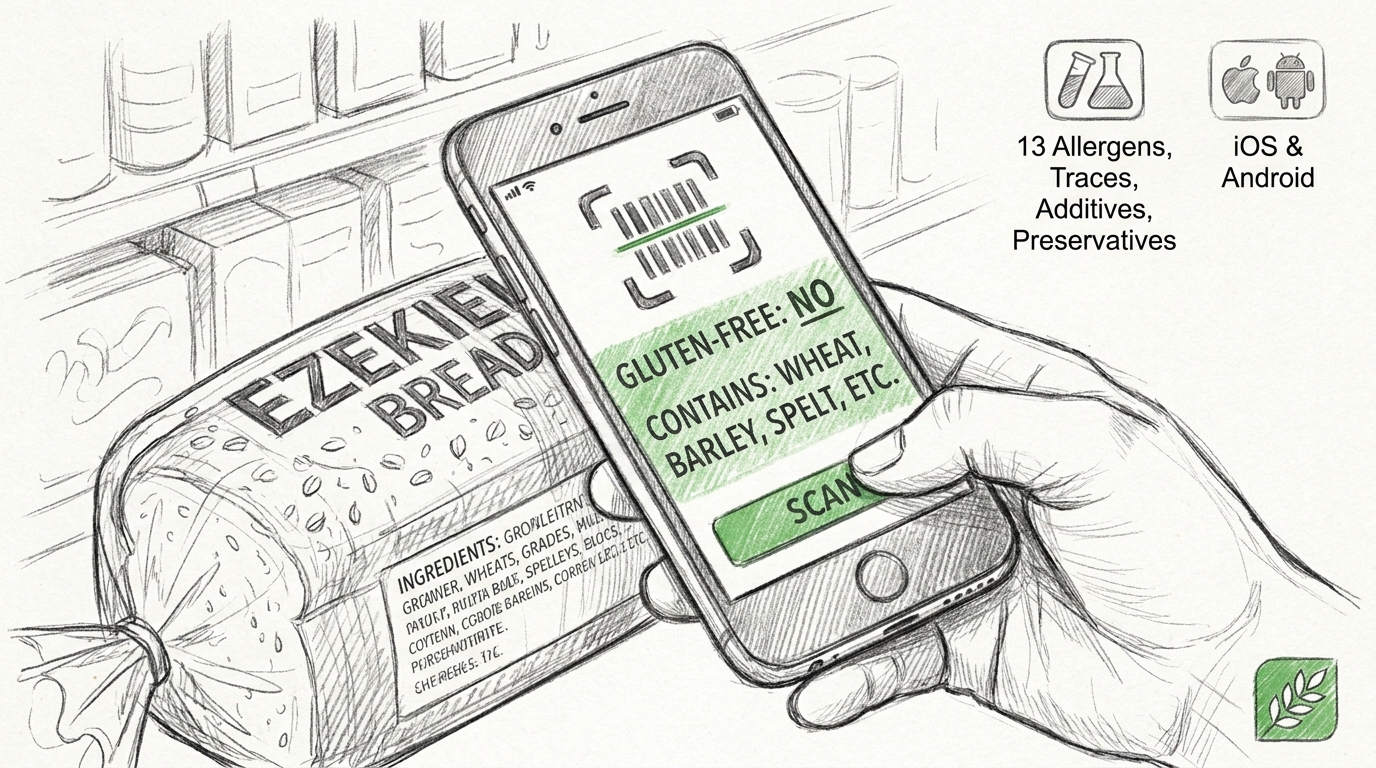
TL;DR: Ezekiel bread is not gluten-free. Despite being made from sprouted whole grains like wheat, barley, and spelt, it contains significant amounts of gluten. People with celiac disease or gluten sensitivity should avoid Ezekiel bread and choose certified gluten-free alternatives instead. Always check product labels or scan barcodes to verify allergen information.
Frequently Asked Questions
Is Ezekiel bread gluten free?
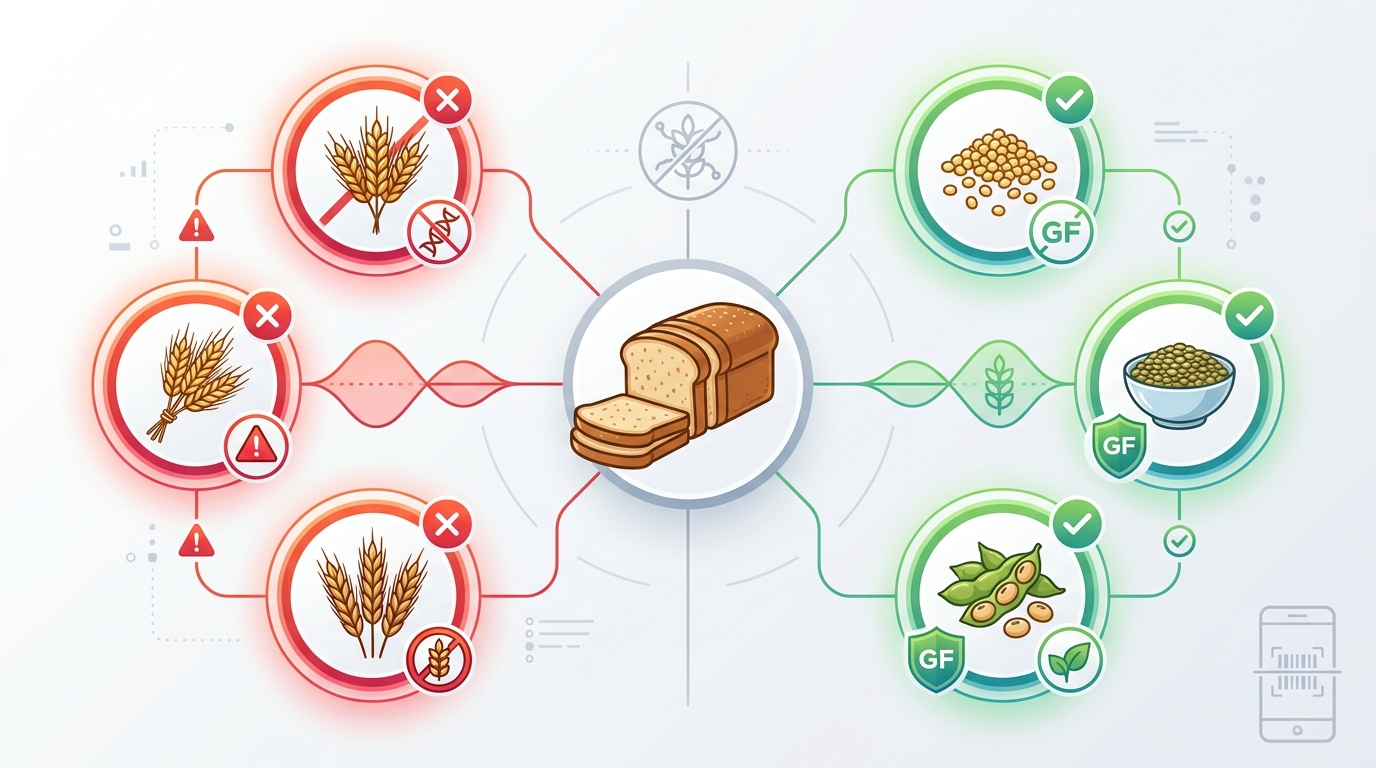
No, Ezekiel bread is not gluten free. It contains sprouted wheat, barley, spelt, and other gluten-containing grains. While the sprouting process may reduce gluten content slightly, it does not eliminate it. People with celiac disease or gluten sensitivity should avoid Ezekiel bread and choose certified gluten-free alternatives instead.
What ingredients make Ezekiel bread contain gluten?
Ezekiel bread contains multiple gluten-containing grains including sprouted wheat, sprouted barley, and sprouted spelt. These are the primary sources of gluten in the bread. The recipe is based on Ezekiel 4:9 from the Bible and combines six grains and legumes, with wheat and barley being the main gluten contributors.
Can people with celiac disease eat Ezekiel bread?
No, people with celiac disease cannot safely eat Ezekiel bread. Despite being made from sprouted grains, it still contains significant amounts of gluten from wheat, barley, and spelt. Consuming Ezekiel bread can trigger immune responses and intestinal damage in individuals with celiac disease. Always choose certified gluten-free bread alternatives instead.
What are gluten-free alternatives to Ezekiel bread?
Gluten-free alternatives to Ezekiel bread include breads made from rice flour, almond flour, coconut flour, or certified gluten-free oat flour. Many brands offer sprouted gluten-free breads using quinoa, millet, and buckwheat. Look for certified gluten-free labels and use an allergy checker app to scan products and verify they're safe for your dietary needs.
Does sprouting grains remove gluten from Ezekiel bread?
No, sprouting grains does not remove gluten from Ezekiel bread. While sprouting may break down some gluten proteins and make them slightly easier to digest for some people, it does not eliminate gluten entirely. The bread still contains unsafe levels of gluten for anyone with celiac disease or gluten intolerance.
How can I check if bread contains gluten using an app?
You can use an allergy checker app to scan product barcodes and instantly detect gluten and other allergens. These apps identify gluten-containing ingredients, traces, additives, and preservatives in bread and other products. Simply scan the barcode with your smartphone, and the app will alert you to any of 13 common allergens, including gluten.
What grains are used in Ezekiel bread?
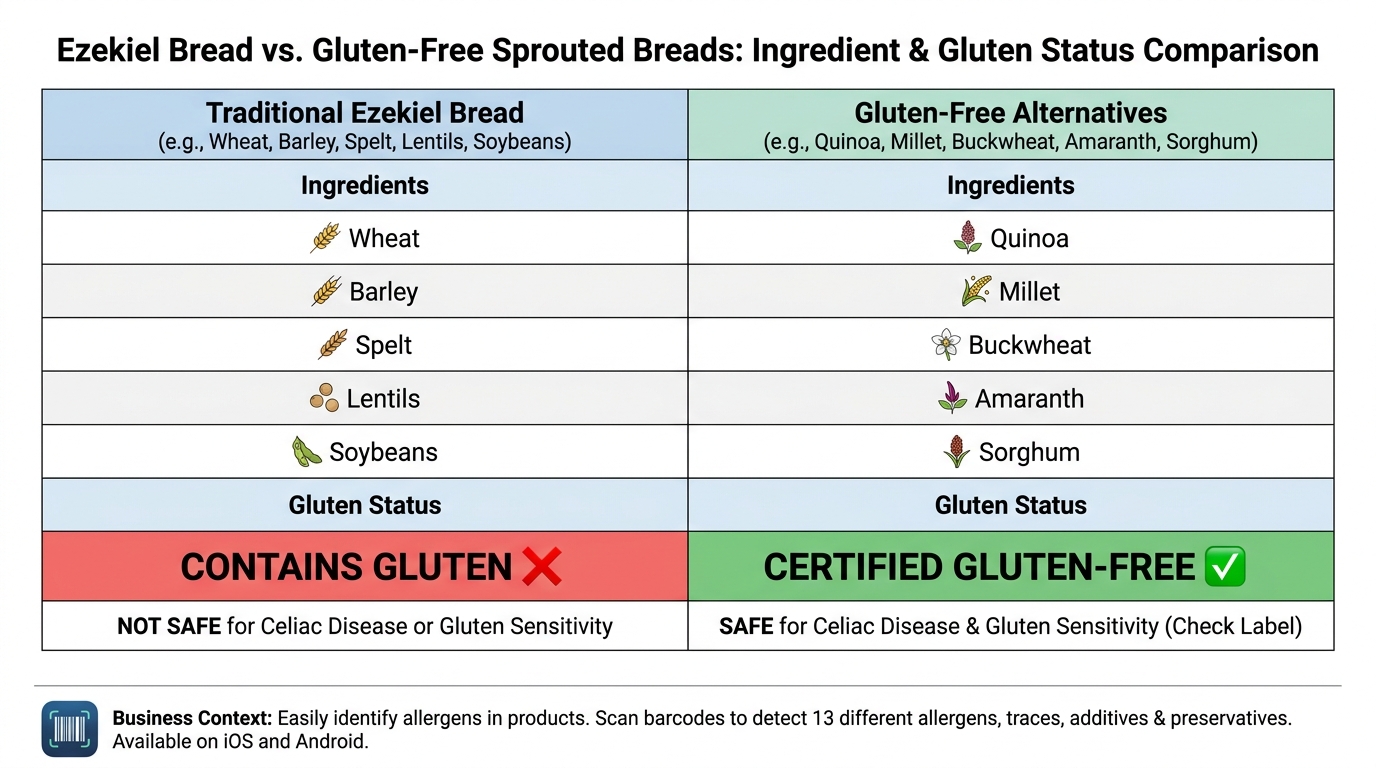
Ezekiel bread is made from six sprouted grains and legumes: wheat, barley, spelt, millet, lentils, and soybeans. The first three ingredients—wheat, barley, and spelt—all contain gluten. While millet, lentils, and soybeans are naturally gluten-free, the presence of wheat, barley, and spelt makes the entire bread unsuitable for gluten-free diets.
Are there any gluten-free sprouted breads available?
Yes, several brands offer gluten-free sprouted breads made from sprouted gluten-free grains like quinoa, millet, buckwheat, and amaranth. These breads provide similar nutritional benefits to Ezekiel bread without gluten. Always verify products are certified gluten-free and use a barcode scanner app to check for hidden gluten ingredients or cross-contamination warnings before purchasing.
Understanding Ezekiel Bread and Gluten Content
If you're navigating gluten sensitivities or celiac disease, you've likely wondered: is Ezekiel bread gluten free? This popular sprouted grain bread has gained tremendous popularity among health-conscious consumers, but its gluten status often confuses shoppers seeking allergen-safe options. The straightforward answer is no—traditional Ezekiel bread contains gluten because it's made from sprouted wheat and other gluten-containing grains.
Ezekiel bread takes its name from a biblical verse and is manufactured primarily by Food for Life Baking Company. Unlike conventional bread, it uses sprouted whole grains and legumes, which changes its nutritional profile but doesn't eliminate gluten. Understanding the ingredients and manufacturing process is crucial for anyone managing food allergies or sensitivities.
This comprehensive guide will explore everything you need to know about Ezekiel bread's gluten content, alternative options for those with celiac disease, and how modern tools like an allergy checker app can help you navigate food choices safely and confidently.
What Makes Ezekiel Bread Different from Regular Bread?
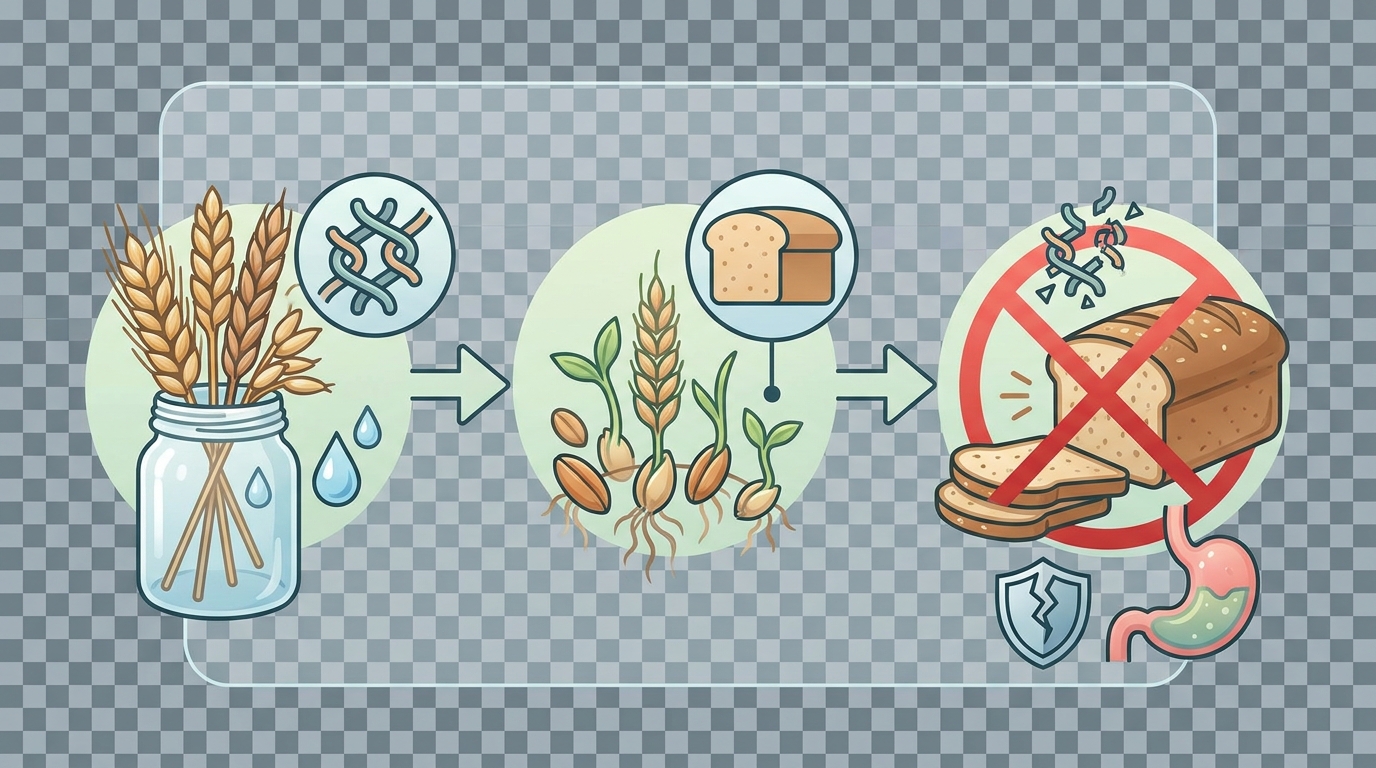
Ezekiel bread stands apart from standard commercial breads due to its unique sprouting process and ingredient composition. The sprouting process involves soaking grains until they begin to germinate, which theoretically makes nutrients more bioavailable and easier to digest.
Key Ingredients in Traditional Ezekiel Bread
The original Ezekiel 4:9 bread recipe includes six sprouted grains and legumes:
- Sprouted wheat – The primary grain containing significant gluten
- Sprouted barley – Another gluten-containing grain
- Sprouted millet – Naturally gluten-free but subject to cross-contamination
- Sprouted lentils – Gluten-free legume
- Sprouted soybeans – Gluten-free legume
- Sprouted spelt – An ancient grain containing gluten
Because wheat, barley, and spelt all contain gluten proteins, traditional Ezekiel bread is definitively not gluten-free. The sprouting process may reduce gluten content slightly, but it remains unsafe for individuals with celiac disease or severe gluten sensitivities.
The Sprouting Process Explained
During sprouting, enzymes within the grain break down some of the starches and proteins, including a portion of the gluten. However, this reduction is minimal and doesn't bring gluten levels below the FDA threshold of 20 parts per million (ppm) required for gluten-free certification.
Some proponents claim sprouted grains are easier to digest, but this doesn't make them safe for those with gluten-related disorders. The gluten protein structure remains intact enough to trigger immune responses in sensitive individuals.
Is Ezekiel Bread Gluten Free? The Definitive Answer
To answer directly: No, Ezekiel bread is not gluten free. The bread contains multiple gluten-containing grains including wheat, barley, and spelt. These ingredients make it unsuitable for anyone following a strict gluten-free diet, particularly those with celiac disease.
Why the Confusion Exists
Several factors contribute to the misconception that Ezekiel bread might be gluten-free:
- The sprouting process is often marketed as making grains "more digestible"
- Some people with mild gluten sensitivity report tolerating sprouted grains better
- The health halo around Ezekiel bread leads to assumptions about its allergen profile
- Marketing emphasizes natural ingredients without clearly highlighting gluten content
However, tolerance and safety are entirely different matters. Even if some individuals experience fewer digestive issues with sprouted grains, this doesn't indicate the absence of gluten or safety for celiac patients.
| Bread Type | Contains Gluten | Safe for Celiac Disease | Gluten Level (Approximate) |
|---|---|---|---|
| Traditional White Bread | Yes | No | High (10,000+ ppm) |
| Ezekiel Sprouted Grain Bread | Yes | No | High (8,000+ ppm) |
| Certified Gluten-Free Bread | No (< 20 ppm) | Yes | Very Low (< 20 ppm) |
| Rice Bread (Certified GF) | No | Yes | None to trace (< 5 ppm) |
FDA Gluten-Free Standards
The FDA defines gluten-free products as containing less than 20 parts per million (ppm) of gluten. This threshold was established based on scientific evidence showing it's safe for most people with celiac disease. Ezekiel bread contains thousands of parts per million of gluten—far exceeding this limit.
For context, similar to how consumers need to verify ingredient information for products like Rice Krispies or tortilla chips, checking bread labels is essential for managing gluten exposure.
Understanding Cross-Contamination and Manufacturing Concerns
Even products made with naturally gluten-free ingredients can pose risks due to cross-contamination during manufacturing. Food for Life produces both gluten-containing and gluten-free varieties in their facilities, which raises important considerations.
Shared Facility Risks
Manufacturing facilities that process both gluten-containing and gluten-free products must implement strict protocols to prevent cross-contamination. These include:
- Dedicated production lines for gluten-free products
- Thorough cleaning procedures between production runs
- Separate storage areas for ingredients
- Regular testing to verify gluten levels remain below 20 ppm
When shopping for safe alternatives, using an allergy checker app can help you quickly scan products and identify potential allergen concerns before purchasing.
Reading Labels for Hidden Gluten
Gluten can hide in unexpected places, including preservatives and additives. Ingredients to watch for include:
- Modified food starch (unless specified as corn or potato starch)
- Malt flavoring or malt vinegar
- Hydrolyzed vegetable protein
- Natural flavors (may contain gluten sources)
While compounds like hydroxy stearic acid, methane sulfonic acid, and poly carboxylic acid are chemical additives found in various processed foods, they're typically not gluten-containing themselves. However, their presence indicates a highly processed product that requires careful label review.
Gluten-Free Alternatives to Ezekiel Bread
Fortunately, numerous gluten-free bread options exist that can provide similar nutritional benefits without the gluten risk. Many brands now offer sprouted grain gluten-free varieties that capture the essence of Ezekiel bread's appeal.
Food for Life's Gluten-Free Options
The same company that makes Ezekiel bread produces several certified gluten-free varieties:
- Brown Rice Bread – Made from sprouted brown rice
- Multi-Seed Rice Bread – Contains sprouted rice with seeds
- Exotic Black Rice Bread – Features nutrient-dense black rice
- Raisin Pecan Bread – A sweeter gluten-free option
These products carry gluten-free certification, meaning they've been tested and verified to contain less than 20 ppm of gluten.
Other Gluten-Free Bread Brands
Beyond Food for Life, several brands specialize in high-quality gluten-free bread:
| Brand | Specialty | Key Features | Best For |
|---|---|---|---|
| Canyon Bakehouse | Soft texture breads | 7-grain, Mountain White, Cinnamon Raisin | Sandwich bread seekers |
| Udi's | Wide variety | Whole grain, white, multigrain options | Mainstream availability |
| Schar | European-style | Artisan breads, rolls, baguettes | Gourmet preferences |
| Little Northern Bakehouse | Seeds and grains | Sprouted grain varieties, high fiber | Nutrition-focused consumers |
Homemade Gluten-Free Bread Options
Making bread at home gives you complete control over ingredients and cross-contamination risks. Popular gluten-free flour blends include:
- Rice flour (brown or white)
- Almond flour
- Coconut flour
- Tapioca starch
- Potato starch
- Sorghum flour
Combining multiple gluten-free flours typically produces better texture and flavor than using a single flour variety.
Nutritional Considerations: Ezekiel vs. Gluten-Free Alternatives
While Ezekiel bread cannot be consumed by those avoiding gluten, understanding its nutritional profile helps identify what to look for in gluten-free alternatives.
Ezekiel Bread Nutritional Profile
A typical slice of Ezekiel 4:9 Sprouted Grain Bread contains approximately:
- 80 calories
- 4 grams of protein
- 3 grams of fiber
- 0.5 grams of fat
- 15 grams of carbohydrates
- No added sugar
The sprouted grains provide complete proteins and increased bioavailability of nutrients like B vitamins, vitamin C, folate, and essential amino acids.
Comparing Gluten-Free Bread Nutrition
Many early gluten-free breads were nutritionally inferior to wheat-based options, often containing refined starches and added sugars. However, modern gluten-free breads have significantly improved:
| Nutrient | Ezekiel Bread | Average GF Bread | Premium GF Bread |
|---|---|---|---|
| Calories per slice | 80 | 90-110 | 80-90 |
| Protein (g) | 4 | 1-2 | 3-5 |
| Fiber (g) | 3 | 1-2 | 3-4 |
| Added Sugar (g) | 0 | 2-4 | 0-2 |
Just as you might check Chipotle nutrition info or use a Chipotle nutrition calculator to make informed dining choices, comparing bread nutrition labels helps you select the healthiest gluten-free options.
Fortification and Enrichment
Many gluten-free breads are fortified with vitamins and minerals to compensate for nutrients naturally present in wheat. Look for products enriched with:
- B vitamins (thiamin, riboflavin, niacin, folic acid)
- Iron
- Calcium
- Vitamin D
These additions help gluten-free breads match or exceed the nutritional value of conventional wheat breads.
Managing a Gluten-Free Diet: Practical Tips and Tools
Successfully navigating a gluten-free lifestyle requires vigilance, education, and the right tools. Whether you have celiac disease, non-celiac gluten sensitivity, or wheat allergy, these strategies can help.
Essential Gluten-Free Shopping Strategies
When shopping for bread and other products, follow these guidelines:
- Look for certification – Seek products with certified gluten-free labels from organizations like GFCO (Gluten-Free Certification Organization)
- Read complete ingredient lists – Don't rely solely on front-of-package claims
- Check for allergen statements – Review "contains" and "may contain" warnings
- Research manufacturing practices – Understand whether products are made in dedicated facilities
- Stay updated on recalls – Follow FDA alerts for gluten contamination incidents
Using Technology to Identify Allergens
Modern technology has revolutionized how people with food allergies manage their diets. An allergy checker app allows you to scan product barcodes and instantly identify potential allergens, including gluten.
These apps typically offer features like:
- Barcode scanning for instant allergen identification
- Detection of 13 common allergens including wheat and gluten
- Identification of additives and preservatives
- Personalized allergen profiles
- Product alternatives and recommendations
This technology is particularly valuable when shopping for unfamiliar products or navigating grocery stores in new locations.
Beyond Bread: Other Gluten-Free Considerations
Managing gluten intake extends beyond bread to many food categories. Similar scrutiny applies to products like:
- Snacks – Research whether items like gluten free cheese-its exist (currently, traditional Cheez-Its contain wheat)
- Beverages – Explore gluten free wheat free beer options from brands like Omission, Glutenberg, and Ground Breaker
- Cereals – Verify products like grits or Cinnamon Toast Crunch for gluten content
- Restaurant meals – Calculate nutrition and identify safe options at chains using tools like a chipotle nutrition calculator
Comprehensive allergen management requires attention across all food categories, not just obvious sources like bread.
Common Misconceptions About Sprouted Grains and Gluten
Several myths persist about sprouted grains that can lead to dangerous assumptions for people with celiac disease or gluten sensitivity.
Myth 1: Sprouting Eliminates Gluten
Reality: While sprouting may reduce gluten content slightly through enzymatic breakdown, it does not eliminate gluten. Sprouted wheat still contains substantial gluten proteins that trigger immune responses in sensitive individuals.
Myth 2: Sprouted Grains Are Easier to Digest for Everyone
Reality: Some people without celiac disease or gluten sensitivity may find sprouted grains easier to digest due to reduced phytic acid and increased enzyme activity. However, this does not apply to those with gluten-related disorders, for whom any gluten exposure is problematic.
Myth 3: Ancient Grains Like Spelt Are Gluten-Free
Reality: Spelt, kamut, farro, and other ancient wheat varieties all contain gluten. While they have different gluten protein compositions than modern wheat, they are not safe for gluten-free diets.
Myth 4: A Little Gluten Won't Hurt
Reality: For individuals with celiac disease, even trace amounts of gluten (as little as 20 ppm) can cause intestinal damage and trigger symptoms. There is no safe threshold for gluten consumption in celiac disease.
| Grain | Contains Gluten | Gluten Level | Safe for Celiac |
|---|---|---|---|
| Wheat (all varieties) | Yes | High | No |
| Barley | Yes | High | No |
| Rye | Yes | High | No |
| Spelt | Yes | High | No |
| Oats (pure, uncontaminated) | No | None | Yes (for most) |
| Rice | No | None | Yes |
| Quinoa | No | None | Yes |
| Millet | No | None | Yes |
Health Benefits and Risks: Making Informed Choices
Understanding both the benefits of sprouted grains (for those who can consume gluten) and the risks of gluten exposure (for those who cannot) helps you make informed dietary decisions.
Benefits of Sprouted Grains (For Gluten-Tolerant Individuals)
For people without gluten-related disorders, sprouted grain breads like Ezekiel offer several advantages:
- Increased nutrient bioavailability – Sprouting increases vitamin C, B vitamins, and amino acid content
- Reduced antinutrients – Phytic acid decreases, improving mineral absorption
- Complete protein – The combination of grains and legumes provides all essential amino acids
- Lower glycemic index – Sprouted grains may cause smaller blood sugar spikes
- No added sugar – Unlike many commercial breads
Risks of Gluten Exposure
For individuals with celiac disease, consuming gluten triggers an autoimmune response that damages the small intestine. Consequences include:
- Intestinal villous atrophy (flattening of nutrient-absorbing structures)
- Malabsorption of nutrients leading to deficiencies
- Increased risk of osteoporosis, anemia, and infertility
- Higher risk of certain cancers and other autoimmune conditions
- Neurological symptoms including headaches and neuropathy
Even without celiac disease, non-celiac gluten sensitivity can cause significant digestive discomfort, fatigue, brain fog, and other symptoms.
Working with Healthcare Providers
If you suspect gluten sensitivity or celiac disease, consult healthcare professionals before eliminating gluten from your diet:
- Get tested first – Celiac disease testing requires active gluten consumption
- Consult a gastroenterologist – For proper diagnosis and monitoring
- Work with a registered dietitian – To ensure nutritional adequacy of a gluten-free diet
- Monitor nutrient levels – Regular testing for vitamin and mineral deficiencies
Reading Labels: Identifying Gluten in Ingredient Lists
Becoming proficient at reading food labels is essential for maintaining a strict gluten-free diet. Gluten can hide under various names and in unexpected ingredients.
Obvious Gluten-Containing Ingredients
These ingredients always contain gluten and must be avoided:
- Wheat (all forms: whole wheat, wheat flour, wheat starch, wheat bran, wheat germ)
- Barley (including barley malt, malt flavoring, malt vinegar)
- Rye
- Triticale (wheat-rye hybrid)
- Spelt, kamut, farro, durum, semolina
- Brewer's yeast
Potentially Problematic Ingredients
These ingredients may contain gluten depending on their source:
- Modified food starch – Safe if from corn, potato, or tapioca; unsafe if from wheat
- Natural flavors – Usually safe but may contain gluten sources
- Caramel color – Typically safe in North America
- Maltodextrin – Safe if from corn, potato, or rice; unsafe if from wheat (rare in US)
- Hydrolyzed vegetable protein – May contain wheat
When in doubt, contact manufacturers directly or use an allergy checker app to scan products and verify their safety.
Understanding Allergen Declarations
The Food Allergen Labeling and Consumer Protection Act (FALCPA) requires clear labeling of major allergens, including wheat. Look for:
- "Contains: Wheat" statements
- "Made in a facility that processes wheat" warnings
- "May contain wheat" advisories
Note that FALCPA requires wheat labeling but not barley or rye, so you must still read ingredient lists carefully.
Gluten-Free Certification: What It Means
Various organizations provide gluten-free certification to help consumers identify safe products. Understanding these certifications helps you shop with confidence.
Major Certification Programs
| Organization | Standard | Testing Frequency | Logo |
|---|---|---|---|
| GFCO (Gluten-Free Certification Organization) | < 10 ppm gluten | Annual inspections, quarterly testing | Certified GF circle logo |
| NSF International | < 20 ppm gluten | Regular facility audits | NSF Gluten-Free mark |
| CSA (Celiac Support Association) | < 5 ppm gluten | Ongoing monitoring | CSA Recognition Seal |
| BRC Global Standards | < 20 ppm gluten | Annual certification audits | BRC certification mark |
Why Certification Matters
Certified gluten-free products undergo rigorous testing and facility inspections that go beyond FDA requirements. Benefits include:
- Third-party verification of gluten levels
- Regular testing of ingredients and finished products
- Facility inspections to prevent cross-contamination
- Greater confidence for consumers with celiac disease
- Stricter standards than FDA requirements (some certifications require < 10 ppm)
While not all safe gluten-free products carry certification logos, certified products provide an extra layer of assurance.
Dining Out and Travel: Navigating Gluten-Free Options
Managing a gluten-free diet becomes more challenging when eating away from home. These strategies help you make safe choices at restaurants and while traveling.
Restaurant Strategies
When dining out, take these precautions:
- Research restaurants in advance – Many establishments now list allergen information online
- Call ahead – Discuss your needs with management before arriving
- Ask detailed questions – Inquire about ingredients, preparation methods, and cross-contamination prevention
- Request modifications – Ask for gluten-free bread alternatives or bunless burgers
- Be specific about celiac disease – Ensure staff understand the severity of cross-contamination
Using resources like Chipotle nutrition info or a Chipotle nutrition calculator helps you identify safe menu items at chain restaurants that provide detailed allergen information.
Fast-Casual Chains with Gluten-Free Options
Many fast-casual restaurants now accommodate gluten-free diets:
- Chipotle – Corn tortillas, bowls, and most ingredients are naturally gluten-free
- Five Guys – Bunless burgers and fries (check local preparation methods)
- Blaze Pizza – Offers gluten-free pizza crusts
- Panera Bread – Limited gluten-free bread and soup options
- P.F. Chang's – Extensive gluten-free menu with separate preparation
Travel Tips
Traveling with dietary restrictions requires extra planning:
- Pack gluten-free snacks and emergency meals
- Research grocery stores and restaurants at your destination
- Download translation cards explaining your dietary needs in local languages
- Use mobile apps to find gluten-free restaurants and scan unfamiliar products
- Book accommodations with kitchen facilities when possible
Take Control of Your Food Choices with Smart Technology
Managing food allergies and gluten sensitivities doesn't have to be overwhelming. While traditional Ezekiel bread isn't suitable for gluten-free diets, numerous alternatives exist that provide excellent nutrition without the risk.
The key to success lies in education, vigilance, and leveraging modern tools designed to simplify allergen management. Whether you're checking if bagels with cream cheese fit your diet or researching cottage cheese nutrition, having reliable information at your fingertips makes all the difference.
Stop second-guessing your food choices and start shopping with confidence. Visit Nutrict to discover how our food allergy scanner app can help you instantly identify allergens in thousands of products. Simply scan a barcode to detect gluten, wheat, and 11 other common allergens, plus additives and preservatives. Available on both iOS and Android, Nutrict puts the power of informed food choices in your pocket—making every shopping trip safer and stress-free for you and your family.
Download Nutrict today and transform the way you navigate food allergies and dietary restrictions. Your health and peace of mind are worth it.
Article created using IntentRank