Glazed Donut Calories: Complete Nutrition Breakdown
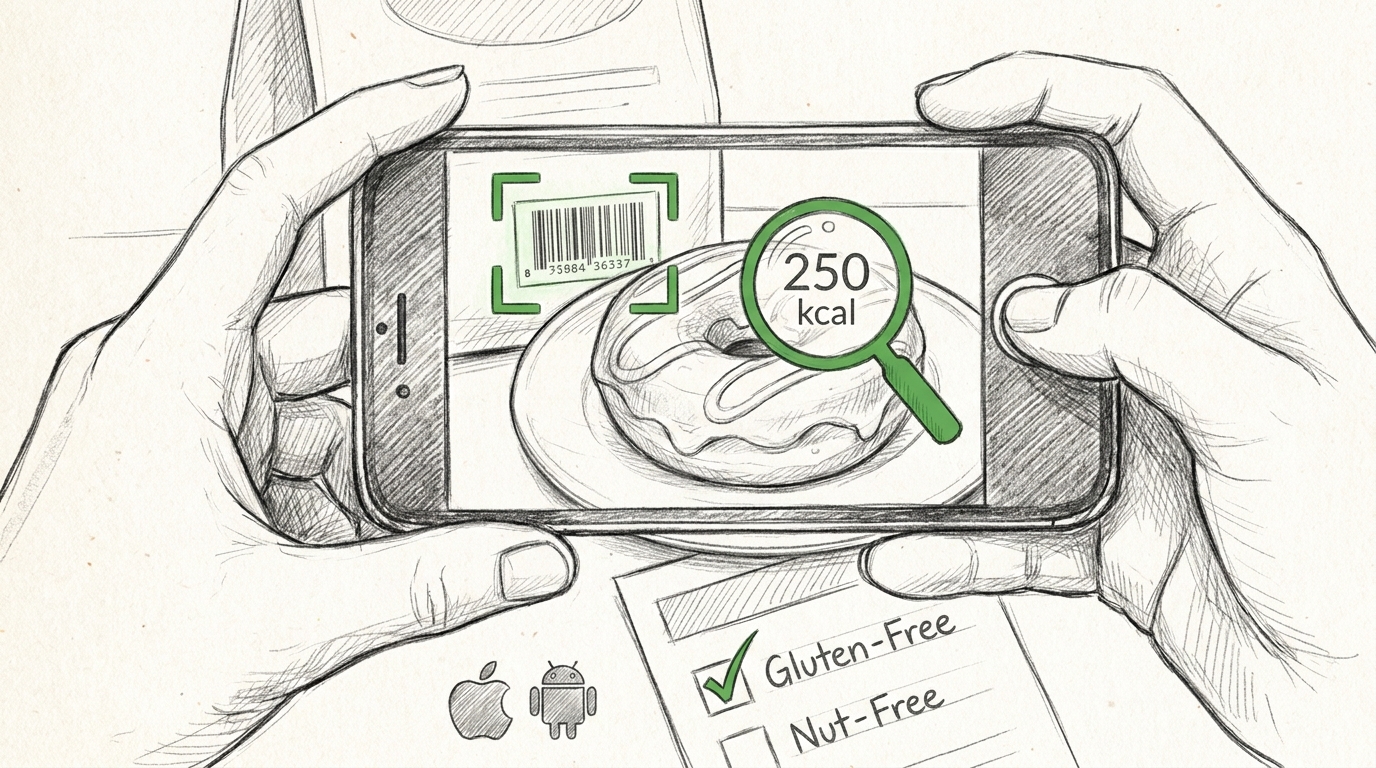
TL;DR: A standard glazed donut contains approximately 250-300 calories, with most regular-sized glazed donuts averaging around 260 calories. The exact calorie count varies by size and brand. Understanding how many calories in a glazed donut helps with dietary planning, and using allergen-scanning apps can help identify additional nutritional information and potential allergens in your favorite donut brands.
Frequently Asked Questions

How many calories are in a glazed donut?
A standard glazed donut contains approximately 250-300 calories, depending on size and brand. Krispy Kreme's original glazed donut has 190 calories, while Dunkin's glazed donut contains about 260 calories. Larger bakery-style glazed donuts can contain 300-400 calories. The calorie content varies based on ingredients, size, and preparation methods used by different manufacturers.
What allergens are commonly found in glazed donuts?
Glazed donuts typically contain several common allergens including wheat (gluten), eggs, milk, and soy. Many commercial donuts are also fried in oil that may contain traces of other allergens. Some brands use additives and preservatives that sensitive individuals should monitor. Using an allergen checker app can help you scan donut packages to identify all 13 major allergens and traces before consumption.
Are there gluten-free alternatives to traditional glazed donuts?
Yes, gluten-free glazed donuts are available from specialty bakeries and some mainstream brands. These alternatives use gluten-free flour blends made from rice, almond, or coconut flour instead of wheat. However, they may still contain other allergens like eggs and dairy. Always check labels or use an allergen scanning app to verify ingredients, as gluten-free doesn't mean allergen-free or lower in calories.
How can I check for allergens in store-bought donuts?
You can check allergens in store-bought donuts by reading ingredient labels carefully, looking for allergen statements, or using a dedicated allergy checker app. Modern allergen apps allow you to scan product barcodes to instantly detect 13 different allergens, traces, additives, and preservatives. This is especially helpful for individuals with multiple food sensitivities or when shopping for others with dietary restrictions.
What additives are commonly used in commercial glazed donuts?
Commercial glazed donuts often contain additives like emulsifiers, preservatives, and stabilizers. Common ingredients include mono and diglycerides, calcium propionate (preservative), and artificial flavors. Some formulations may include hydroxy stearic acid as an emulsifier or texture modifier. These additives extend shelf life and maintain consistency but may cause sensitivities in some individuals. Scanning products with an allergen app helps identify these ingredients.
How do glazed donut calories compare to other breakfast foods?
A glazed donut (250-300 calories) contains similar calories to two slices of buttered toast or a medium bagel with cream cheese. However, donuts are higher in sugar and lower in protein and fiber. A breakfast burrito from Chipotle contains 300-500 calories but offers more protein and nutrients. Using nutrition calculators or apps helps compare different breakfast options for making informed dietary choices.
Can people with gluten allergies safely eat any type of donut?
People with gluten allergies or celiac disease must avoid traditional donuts made with wheat flour. However, certified gluten-free donuts made with alternative flours are safe options. Cross-contamination is a concern in shared facilities, so look for products labeled 'certified gluten-free.' An allergy checker app can help verify products are truly gluten-free and identify other potential allergens before purchase.
What is the sugar content in a typical glazed donut?
A typical glazed donut contains 10-15 grams of sugar, primarily from the sweet glaze coating. The dough itself contains additional sugar, bringing total sugar content to 12-20 grams per donut depending on size and brand. This represents approximately 40-80% of the recommended daily sugar intake. The glaze, often made with powdered sugar and corn syrup, contributes most of the sugar content.
Understanding How Many Calories in a Glazed Donut

If you've ever wondered how many calories in a glazed donut, you're not alone. This beloved sweet treat is a breakfast staple for millions, but understanding its nutritional impact is essential for making informed dietary choices. A typical glazed donut contains approximately 240-260 calories, though this can vary significantly based on size, ingredients, and preparation methods.
For individuals managing food allergies, dietary restrictions, or simply tracking their nutritional intake, knowing the exact calorie count and ingredient composition of foods like glazed donuts becomes even more critical. Beyond just calories, these pastries contain various additives, preservatives, and potential allergens that deserve careful consideration.
This comprehensive guide will break down everything you need to know about glazed donut calories, nutritional content, common allergens, and how to make informed choices when indulging in this popular treat.
The Calorie Breakdown of a Standard Glazed Donut

Average Calorie Content
A standard glazed donut from major chains typically contains between 240 and 260 calories. However, this number can fluctuate based on several factors including the donut's size, the thickness of the glaze, and the specific recipe used by different bakeries.
| Donut Chain | Calories per Glazed Donut | Weight (grams) |
|---|---|---|
| Krispy Kreme Original Glazed | 190 | 52g |
| Dunkin' Glazed Donut | 260 | 66g |
| Tim Hortons Honey Dip | 240 | 58g |
| Generic Bakery Glazed | 240-280 | 60-70g |
Macronutrient Distribution
Understanding how many calories in a glazed donut is just the beginning. The macronutrient breakdown reveals the composition of those calories:
- Carbohydrates: 30-35 grams (primarily from refined flour and sugar)
- Fat: 10-14 grams (from frying oil and added fats)
- Protein: 2-4 grams (minimal protein content)
- Sugar: 10-15 grams (from the glaze and dough)
The high carbohydrate and fat content explains why glazed donuts are calorie-dense foods. When using a food allergy scanner app, you can quickly identify not just calories but also potential allergens and additives in packaged donuts.
Common Ingredients and Additives in Glazed Donuts
Standard Donut Ingredients
A typical glazed donut contains a combination of basic baking ingredients and various additives that extend shelf life and enhance texture. Understanding these components is crucial for anyone tracking their nutrition or managing food sensitivities.
The primary ingredients include:
- Enriched wheat flour (contains gluten)
- Sugar and corn syrup
- Vegetable oils (often containing palm oil or soybean oil)
- Eggs and dairy products (milk, butter)
- Leavening agents (baking powder, yeast)
- Salt and flavorings (vanilla extract)
Chemical Additives and Preservatives
Commercial glazed donuts frequently contain various chemical compounds that may concern health-conscious consumers. These include emulsifiers like hydroxy stearic acid, which helps stabilize the fat content and improve texture in baked goods.
Other common additives include:
- Poly carboxylic acid: Used as a dough conditioner to improve elasticity
- Methane sulfonic acid: Sometimes used in food processing as a catalyst
- Mono and diglycerides (emulsifiers)
- Sodium stearoyl lactylate (dough strengthener)
- Artificial colors and flavors
- Preservatives like calcium propionate
For individuals with sensitivities to food additives, using an allergy checker app like Nutrict can help identify these compounds before consumption. The app scans product barcodes to detect 13 different allergens, traces, additives, and preservatives.
Allergen Information for Glazed Donuts
Primary Allergens Present
Glazed donuts typically contain multiple common allergens that can trigger reactions in sensitive individuals. Understanding these allergens is essential for safe consumption, especially for parents managing children's dietary restrictions.
| Allergen | Source in Donut | Prevalence |
|---|---|---|
| Gluten (Wheat) | Enriched wheat flour | Present in all traditional donuts |
| Eggs | Dough ingredients | Common in most recipes |
| Dairy (Milk) | Dough and glaze | Very common |
| Soy | Soybean oil, lecithin | Frequent in commercial varieties |
Cross-Contamination Concerns
Even if a glazed donut doesn't contain certain allergens as direct ingredients, cross-contamination during production is a significant concern. Bakeries often produce multiple products in the same facility, potentially exposing donuts to tree nuts, peanuts, and other allergens.
The best food allergy apps can help you scan products quickly to detect these potential contamination risks before purchasing or consuming glazed donuts.
Comparing Glazed Donuts to Other Breakfast Options
Calorie Density Comparison
When evaluating how many calories in a glazed donut compared to other breakfast choices, the results can be eye-opening. Understanding these differences helps you make informed decisions about your morning meal.
| Food Item | Calories | Protein (g) | Sugar (g) |
|---|---|---|---|
| Glazed Donut | 240-260 | 3 | 12 |
| English Muffin with Butter | 189 | 5 | 2 |
| Bagel with Cream Cheese | 350 | 11 | 6 |
| Yogurt Parfait | 180 | 8 | 18 |
| Oatmeal with Fruit | 220 | 7 | 14 |
For more detailed nutritional information on alternative breakfast options, check out our guide on English muffin nutrition, which provides comprehensive allergen and calorie data.
Nutritional Value Assessment
While glazed donuts are moderate in calories compared to some breakfast items, they lack substantial nutritional value. They provide minimal protein, fiber, vitamins, or minerals, making them a poor choice for sustained energy throughout the morning.
If you're comparing nutritional options and need to calculate your meal's total nutrition, tools like a chipotle nutrition calculator can help you track your daily intake more accurately. Many restaurants now provide detailed chipotle nutrition info to help consumers make informed choices.
Healthier Alternatives and Modifications
Gluten-Free and Allergen-Friendly Options
For individuals with celiac disease or gluten sensitivities, traditional glazed donuts are off-limits. However, the market for allergen-friendly alternatives has expanded significantly in recent years.
Consider these alternatives:
- Gluten-free donuts: Made with rice flour, almond flour, or gluten-free flour blends
- Vegan donuts: Prepared without eggs or dairy products
- Baked donuts: Lower in fat than traditional fried varieties
- Paleo donuts: Made with coconut flour and natural sweeteners
Just as consumers seek out gluten free cheese-its or gluten free wheat free beer as alternatives to traditional products, gluten-free donuts provide a way for those with restrictions to enjoy similar treats. For more options, explore our comprehensive list of gluten free dairy free snacks.
Portion Control Strategies
If you choose to enjoy a glazed donut, implementing portion control can help manage calorie intake:
- Share a donut with someone else to reduce calories by half
- Choose mini donuts (approximately 60-80 calories each)
- Pair your donut with protein-rich foods to increase satiety
- Limit donut consumption to occasional treats rather than daily indulgences
- Balance your remaining meals with nutrient-dense, lower-calorie options
How to Make Informed Choices with Technology
Using Food Scanning Apps
Modern technology has revolutionized how we track nutrition and manage dietary restrictions. Food scanning apps provide instant access to comprehensive nutritional information, allergen data, and ingredient lists.
When purchasing packaged glazed donuts, an allergy checker app allows you to:
- Scan product barcodes for instant allergen detection
- Identify hidden ingredients like hydroxy stearic acid or poly carboxylic acid
- Track calorie intake throughout the day
- Receive alerts about potential cross-contamination
- Access detailed nutritional breakdowns
The Nutrict app specializes in helping users identify allergens in products by scanning barcodes to detect 13 different allergens, traces, additives, and preservatives. This technology is particularly valuable for parents managing children's dietary restrictions and allergies.
Nutrition Calculators and Tracking Tools
Beyond scanning individual products, nutrition calculators help you understand how a glazed donut fits into your overall daily intake. Similar to how a chipotle nutrition calculator helps diners customize their meals while tracking macros, donut nutrition calculators can account for different sizes, toppings, and preparation methods.
These tools typically provide:
- Calorie tracking across multiple meals
- Macronutrient distribution analysis
- Daily intake recommendations based on your goals
- Meal planning assistance
- Progress tracking over time
The Impact of Glazed Donuts on Health Goals
Weight Management Considerations
Understanding how many calories in a glazed donut is crucial for anyone working toward weight management goals. At 240-260 calories, a single glazed donut represents approximately 10-13% of a 2,000-calorie daily diet.
The challenge with glazed donuts extends beyond just calories:
- Rapid blood sugar spikes: High glycemic index foods cause quick energy crashes
- Low satiety: Minimal protein and fiber lead to hunger shortly after eating
- Empty calories: Few essential nutrients relative to calorie content
- Portion creep: One donut often leads to consuming multiple servings
Balancing Treats in a Healthy Diet
Despite their nutritional limitations, glazed donuts can fit into a balanced diet when consumed mindfully and occasionally. The key is understanding context and frequency.
Strategies for balance include:
- Reserve donuts for special occasions rather than daily consumption
- Ensure the rest of your day includes nutrient-dense, whole foods
- Engage in physical activity to offset the caloric intake
- Stay hydrated to help manage blood sugar fluctuations
- Practice mindful eating by savoring each bite slowly
For comparative nutritional information on other common foods, you might find our guide on corn on the cob calories helpful for understanding healthier carbohydrate options.
Reading Labels and Understanding Marketing Claims
Decoding Nutritional Labels
When purchasing packaged glazed donuts, the nutrition facts label provides essential information beyond just calorie content. Learning to read these labels effectively empowers you to make informed decisions.
Key elements to examine:
- Serving size: Verify whether the nutrition facts reflect one donut or a different portion
- Total carbohydrates: Look at both total carbs and sugar content separately
- Trans fats: Even "0g" can contain up to 0.5g per serving
- Ingredient list: Items are listed by weight, with primary ingredients first
- Allergen statements: Check for "contains" and "may contain" warnings
Marketing Claims to Question
Food manufacturers often use marketing language that can mislead consumers about the healthfulness of their products. Be skeptical of claims like:
- "Made with real fruit" (may contain minimal fruit with added sugars)
- "No artificial flavors" (can still contain numerous additives)
- "Baked, not fried" (still high in calories and sugar)
- "Contains whole grains" (may be predominantly refined flour)
Just as consumers should verify claims about products like whether Ezekiel bread is gluten free or if Yoplait yogurt is healthy, scrutinizing donut packaging claims ensures you're making truly informed choices.
Special Dietary Considerations
Managing Food Allergies
For the millions of Americans living with food allergies, enjoying a glazed donut requires careful consideration and verification. The most common allergens in donuts—wheat, eggs, dairy, and soy—can cause reactions ranging from mild discomfort to life-threatening anaphylaxis.
Steps for safe consumption:
- Always read ingredient labels thoroughly before purchasing
- Contact manufacturers directly about production processes
- Use a reliable allergy checker app to scan products
- Inquire about cross-contamination at bakeries
- Consider dedicated allergen-free bakeries for safer options
The best allergy checker apps provide comprehensive scanning capabilities that identify potential allergens quickly, giving you peace of mind before consumption.
Diabetic Considerations
For individuals managing diabetes, the high sugar and refined carbohydrate content of glazed donuts presents significant challenges. A single donut can cause rapid blood glucose spikes, requiring careful insulin management.
If you have diabetes and choose to consume a glazed donut:
- Monitor your blood glucose levels closely before and after eating
- Pair the donut with protein or healthy fats to slow glucose absorption
- Adjust insulin doses as recommended by your healthcare provider
- Consider smaller portions or mini donuts to reduce impact
- Reserve such treats for times when you can carefully manage your levels
Making Glazed Donuts at Home
Benefits of Homemade Versions
Creating glazed donuts at home offers several advantages over purchasing commercial varieties. You gain complete control over ingredients, portion sizes, and preparation methods.
Advantages include:
- Eliminating additives like hydroxy stearic acid and poly carboxylic acid
- Substituting healthier ingredients (whole wheat flour, natural sweeteners)
- Controlling oil quality and frying temperature
- Adjusting sweetness levels in the glaze
- Creating allergen-free versions for specific dietary needs
Healthier Recipe Modifications
When making donuts at home, consider these modifications to reduce calories and improve nutritional value:
| Traditional Ingredient | Healthier Alternative | Benefit |
|---|---|---|
| All-purpose flour | Whole wheat or almond flour | Increased fiber and nutrients |
| White sugar | Coconut sugar or honey | Lower glycemic impact |
| Vegetable oil | Coconut or avocado oil | Healthier fat profile |
| Regular milk | Almond or oat milk | Dairy-free option |
| Powdered sugar glaze | Greek yogurt glaze | Added protein, less sugar |
Baking donuts instead of frying them can reduce fat content by approximately 40-50%, significantly lowering the overall calorie count while maintaining the satisfying texture and flavor.
Frequently Overlooked Nutritional Factors
Micronutrient Content
While discussions about how many calories in a glazed donut typically focus on macronutrients, micronutrient content (or lack thereof) is equally important. Glazed donuts provide minimal vitamins and minerals relative to their calorie density.
Typical micronutrient profile per glazed donut:
- Iron: 1-2mg (6-10% daily value) from enriched flour
- Calcium: 20-30mg (2-3% daily value) from milk
- Vitamin A: Minimal amounts from eggs and dairy
- B Vitamins: Small amounts from enriched flour
- Fiber: Less than 1g per donut
Sodium and Preservative Content
Commercial glazed donuts often contain surprisingly high sodium levels, ranging from 200-300mg per donut. This sodium comes from salt added for flavor, leavening agents, and preservatives that extend shelf life.
Common preservatives include compounds like methane sulfonic acid derivatives and other chemical additives that concern health-conscious consumers. Using an allergy checker app helps identify these additives before purchase.
The Social and Cultural Context of Donut Consumption
Donuts in American Culture
Understanding how many calories in a glazed donut extends beyond nutrition—it's also about recognizing the cultural significance of this beloved treat. Donuts represent comfort, celebration, and social connection in American culture.
Common donut consumption contexts include:
- Office meetings and workplace gatherings
- Police and first responder traditions
- Weekend family breakfasts
- Road trip convenience stops
- Celebration and reward occasions
Mindful Consumption in Social Settings
When donuts appear in social settings, you can still make mindful choices without feeling deprived or isolated. Strategies include:
- Select one donut and savor it slowly rather than mindlessly eating multiple
- Choose water or unsweetened beverages instead of sugary drinks
- Focus on the social interaction rather than the food
- Adjust your remaining meals that day to accommodate the treat
- Don't attach guilt or shame to enjoying occasional indulgences
Take Control of Your Food Choices with Smart Technology
Understanding how many calories in a glazed donut is just one piece of making informed dietary decisions. Whether you're managing food allergies, tracking nutrition for health goals, or simply want to know what's really in your food, having the right tools makes all the difference.
The challenges of modern food consumption—hidden allergens, confusing additives like hydroxy stearic acid and poly carboxylic acid, and complex nutritional information—require smart solutions. Just as you might use a chipotle nutrition calculator to customize your meal or search for gluten free wheat free beer alternatives, having technology that instantly decodes product information empowers better choices.
For individuals with food allergies, parents managing children's dietary restrictions, health-conscious consumers avoiding additives, and anyone with celiac disease or gluten sensitivities, quick access to accurate allergen information is essential. Don't rely on guesswork or time-consuming label reading when technology can provide instant answers.
Nutrict's food allergy scanner app makes identifying allergens effortless. Simply scan product barcodes to detect 13 different allergens, traces, additives, and preservatives in seconds. Available on both iOS and Android, Nutrict helps you make confident food choices every time you shop.
Stop wondering about hidden ingredients and potential allergens. Download Nutrict today and take control of your food safety and nutritional awareness. Your health and peace of mind are worth it.
Article created using IntentRank