Honey Nut Cheerios Nutrition Facts & Allergen Guide
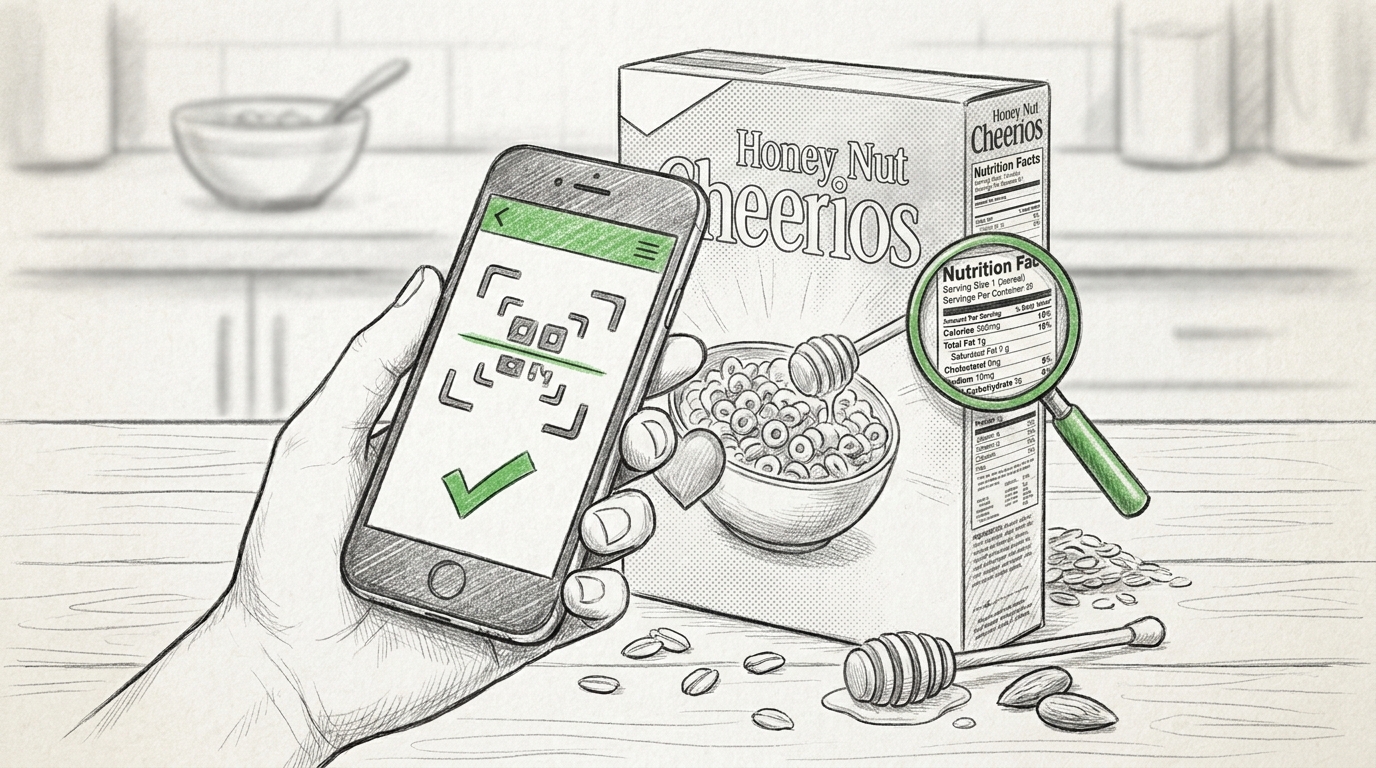
TL;DR: Honey Nut Cheerios nutrition includes approximately 140 calories per serving, 12g sugar, 2g fiber, and 2g protein. Each serving contains whole grain oats, vitamins, and minerals including iron and calcium. The cereal is low in fat but relatively high in sugar compared to regular Cheerios, and contains common allergens like oats and almond flavoring.
Frequently Asked Questions

What is the nutritional value of Honey Nut Cheerios?
One serving (3/4 cup or 28g) of Honey Nut Cheerios contains approximately 110 calories, 1.5g fat, 22g carbohydrates, 2g fiber, 9g sugar, and 2g protein. It provides essential vitamins and minerals including iron, vitamin D, calcium, and B vitamins. When combined with 1/2 cup skim milk, the total calories increase to 150 with added protein and calcium.
Are Honey Nut Cheerios gluten-free?
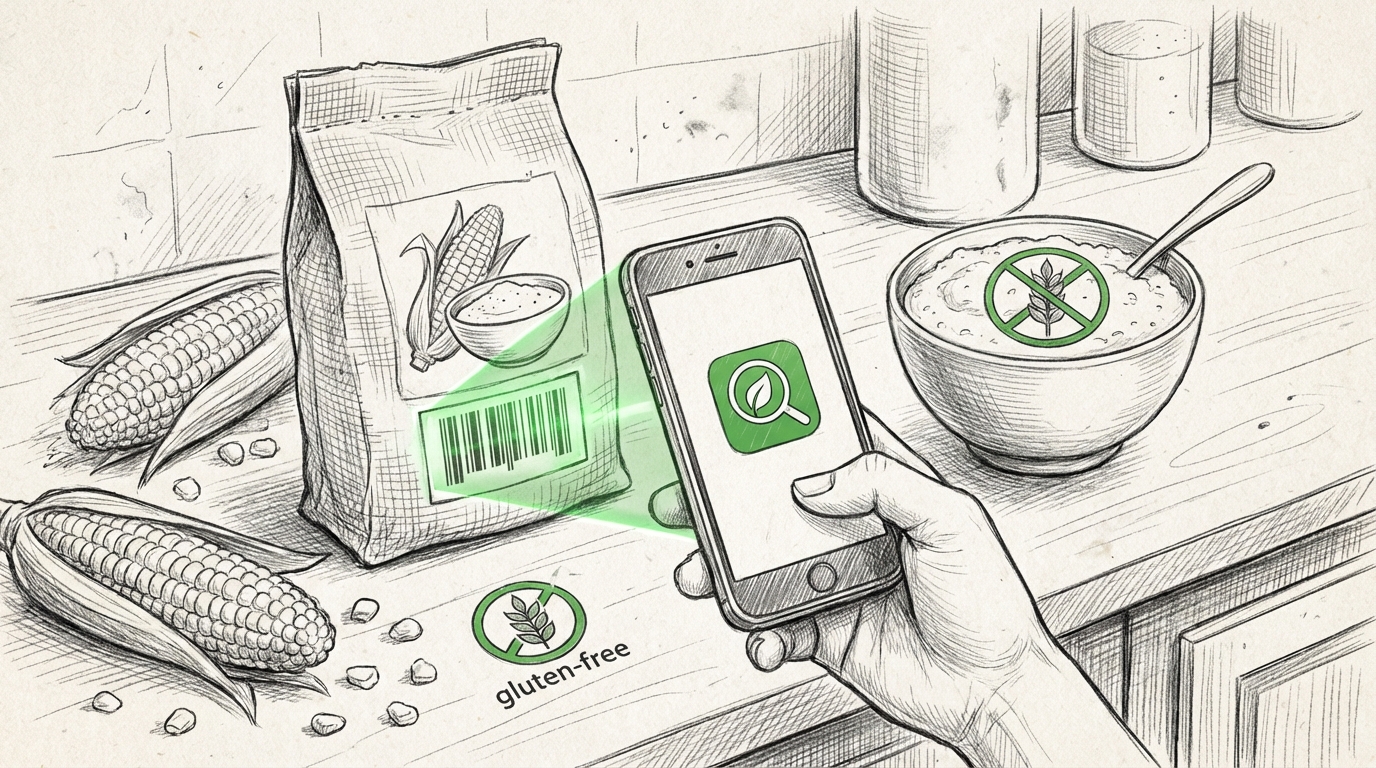
Yes, Honey Nut Cheerios are labeled as gluten-free. General Mills reformulated the cereal to remove gluten-containing ingredients and uses a special process to sort out wheat, rye, and barley from the oat supply. However, individuals with severe gluten allergies or celiac disease should consult their healthcare provider and use an allergy checker app to verify current formulations.
How much sugar is in Honey Nut Cheerios nutrition?
Honey Nut Cheerios contain 9 grams of sugar per serving (3/4 cup or 28g), which represents about 12% of the total weight. This includes both added sugars from honey and natural sugars. The American Heart Association recommends limiting added sugars to 25g daily for women and 36g for men, making one serving approximately one-third of the daily limit.
What allergens are in Honey Nut Cheerios?
Honey Nut Cheerios contain oats and are made in facilities that may process other allergens. While the cereal itself doesn't contain major allergens like milk, eggs, peanuts, or tree nuts in the ingredients, cross-contamination is possible during manufacturing. Using an allergy checker app by scanning the product barcode can help identify potential allergen traces and additives specific to your dietary needs.
How many calories are in a bowl of Honey Nut Cheerios?
A standard serving of Honey Nut Cheerios (3/4 cup dry) contains 110 calories. Most people pour 1 to 1.5 cups, which equals 147-220 calories. Adding 1/2 cup of skim milk adds 40 calories, whole milk adds 75 calories, and almond milk adds approximately 15-20 calories, bringing a typical bowl to 150-295 calories depending on portion size and milk choice.
Are Honey Nut Cheerios healthy for weight loss?
Honey Nut Cheerios can fit into a weight loss diet when portion-controlled, as they provide 110 calories per serving with 2g fiber. However, the 9g of sugar per serving is relatively high for breakfast cereals. For better weight management, consider measuring portions carefully, pairing with protein-rich foods, and using low-fat milk. An allergy checker app can also help you monitor additives and preservatives in your diet.
What vitamins and minerals are in Honey Nut Cheerios nutrition?
Honey Nut Cheerios are fortified with essential vitamins and minerals. One serving provides approximately 45% daily value of iron, 25% of zinc, 25% of vitamin B6, 25% of folic acid, 10% of calcium, and 10% of vitamin D. They also contain thiamin, riboflavin, niacin, and vitamin B12, making them a nutrient-dense breakfast option that supports overall health and wellness.
Can people with celiac disease eat Honey Nut Cheerios?
Honey Nut Cheerios are labeled gluten-free and meet FDA standards of containing less than 20 parts per million of gluten. However, some individuals with celiac disease report sensitivity to the oats used, as they may contain trace amounts of gluten despite sorting processes. It's recommended to consult with a gastroenterologist and use an allergy checker app to verify product formulations before consuming regularly.
Understanding Honey Nut Cheerios Nutrition: A Complete Guide

When it comes to breakfast cereals, few are as iconic as Honey Nut Cheerios. Understanding honey nut cheerios nutrition is essential for anyone managing dietary restrictions, food allergies, or simply trying to make informed choices about their morning meal. This beloved cereal contains a unique blend of ingredients that impact both its nutritional profile and allergen content.
For individuals with food allergies or sensitivities, knowing what's in your breakfast bowl goes beyond just counting calories. It involves understanding potential allergens, additives, and how these ingredients might affect your health.
In this comprehensive guide, we'll break down everything you need to know about Honey Nut Cheerios' nutritional content, allergen information, and how it compares to other breakfast options.
Honey Nut Cheerios Nutrition Facts Breakdown

Serving Size and Calorie Content
A standard serving of Honey Nut Cheerios is approximately 3/4 cup (28 grams) of dry cereal. This serving contains around 110 calories, making it a moderate-calorie breakfast option.
When you add 1/2 cup of skim milk, the total calorie count increases to approximately 150 calories per serving. This combination provides a balanced start to your day without excessive caloric intake.
| Nutrient | Amount (Cereal Only) | Amount (With Skim Milk) |
|---|---|---|
| Calories | 110 | 150 |
| Total Fat | 1.5g | 1.5g |
| Sodium | 140mg | 200mg |
| Total Carbohydrates | 22g | 28g |
| Dietary Fiber | 2g | 2g |
| Total Sugars | 12g | 18g |
| Protein | 2g | 6g |
Macronutrient Profile
The macronutrient distribution in Honey Nut Cheerios reveals a carbohydrate-dominant profile. With 22 grams of carbohydrates per serving, the cereal provides quick energy for your morning routine.
The protein content is relatively modest at 2 grams per serving without milk. However, adding dairy or plant-based milk significantly boosts the protein content, making it a more balanced meal.
- Carbohydrates: 22g (8% DV) - primarily from whole grain oats and sugar
- Protein: 2g (4% DV) - increases to 6g with milk
- Fat: 1.5g (2% DV) - minimal fat content
- Fiber:2g (8% DV) - contributes to digestive health
Sugar Content Analysis
One of the most significant nutritional considerations is the sugar content. Honey Nut Cheerios contains 12 grams of sugar per serving, which represents about 24% of the recommended daily value for added sugars based on a 2,000-calorie diet.
This sugar comes from multiple sources including honey, brown sugar syrup, and natural sweeteners. For comparison, this is considerably higher than plain Cheerios, which contains only 1 gram of sugar per serving.
Allergen Information and Safety Concerns

Primary Allergens Present
Understanding allergen content is crucial for anyone with food sensitivities. Honey Nut Cheerios contains several allergens that consumers need to be aware of before consumption.
The primary allergen in Honey Nut Cheerios is tree nuts, specifically almonds. The cereal contains almond flour as a key ingredient, making it unsuitable for individuals with tree nut allergies.
| Allergen | Present | Notes |
|---|---|---|
| Tree Nuts (Almonds) | Yes | Contains almond flour |
| Gluten | Trace amounts | Made with oats; may contain wheat |
| Dairy | May contain | Cross-contamination possible |
| Soy | May contain | Processing facility concern |
Gluten-Free Status
While Honey Nut Cheerios is made primarily from whole grain oats, the gluten-free status requires careful consideration. General Mills does produce a gluten-free version of Honey Nut Cheerios that uses specially processed oats.
The regular version may contain trace amounts of wheat, barley, or rye due to cross-contamination during farming or processing. For individuals with celiac disease or severe gluten sensitivity, choosing certified gluten-free versions is essential.
If you're looking for truly gluten-free alternatives, it's important to read labels carefully and look for certification marks. Those seeking gluten free wheat free beer or other gluten-free products should apply the same scrutiny to breakfast cereals.
Using Technology to Identify Allergens
Managing food allergies has become easier with modern technology. An allergy checker app can help you quickly scan product barcodes to identify potential allergens before purchase.
These tools are particularly valuable when shopping for family members with multiple dietary restrictions. A comprehensive food allergy app can detect up to 13 different allergens, traces, additives, and preservatives in seconds.
Vitamins, Minerals, and Fortification
Essential Micronutrients
Honey Nut Cheerios is fortified with numerous vitamins and minerals, making it a nutritionally enhanced breakfast option. This fortification helps consumers meet their daily nutritional requirements more easily.
The cereal provides significant amounts of iron, zinc, and B vitamins, which are essential for energy metabolism and overall health.
- Iron: 45% DV - supports oxygen transport in blood
- Vitamin D: 10% DV - promotes bone health and immune function
- Vitamin B12: 25% DV - essential for nerve function
- Folic Acid: 25% DV - important for cell growth
- Zinc: 25% DV - supports immune system function
- Vitamin B6: 25% DV - aids in protein metabolism
Whole Grain Benefits
The primary ingredient in Honey Nut Cheerios is whole grain oats, which provide several health benefits beyond basic nutrition. Whole grains contain the entire grain kernel, including the bran, germ, and endosperm.
Each serving provides approximately 12 grams of whole grains, contributing to the recommended daily intake of 48 grams for adults. Whole grain consumption is associated with reduced risk of heart disease, type 2 diabetes, and certain cancers.
Additives and Preservatives Analysis
Chemical Additives Present
Like many processed foods, Honey Nut Cheerios contains several additives that serve various functions in the product. Understanding these ingredients helps consumers make informed decisions about their food choices.
Some additives function as preservatives, while others enhance flavor, texture, or appearance. For individuals sensitive to certain chemicals, knowing what's in your food is essential.
- Tripotassium Phosphate: Used to regulate acidity and maintain texture
- Natural Almond Flavor: Enhances the nut taste profile
- Vitamin E (Mixed Tocopherols): Acts as a natural preservative
- Canola and/or Rice Bran Oil: Prevents sticking and adds minimal fat
Understanding Food Acids
While Honey Nut Cheerios doesn't contain complex acids like hydroxy stearic acid, methane sulfonic acid, or poly carboxylic acid, understanding food additives is important for overall food literacy. These compounds are more commonly found in industrial food processing or other product categories.
The acids present in Honey Nut Cheerios are primarily natural acids from ingredients like honey and oats, which contribute to flavor and preservation without synthetic chemical additives.
Comparing Honey Nut Cheerios to Alternatives
Honey Nut Cheerios vs. Plain Cheerios
The nutritional differences between Honey Nut Cheerios and plain Cheerios are substantial, particularly regarding sugar content and allergens. Understanding these differences helps consumers choose the option that best fits their dietary needs.
| Nutrient | Honey Nut Cheerios | Plain Cheerios |
|---|---|---|
| Calories | 110 | 100 |
| Sugar | 12g | 1g |
| Sodium | 140mg | 140mg |
| Fiber | 2g | 3g |
| Contains Tree Nuts | Yes | No |
Alternative Breakfast Options
For those with dietary restrictions or seeking different nutritional profiles, several alternatives exist. Consider exploring gluten free dairy free snacks that can serve as breakfast options.
If you're looking for products similar to gluten free cheese-its or other allergen-friendly options, many brands now offer specialized products that cater to various dietary needs.
- Plain Cheerios: Lower sugar, no tree nuts, similar fortification
- Oatmeal: Higher fiber, customizable sweetness, naturally gluten-free options available
- Rice-based cereals: Allergen-friendly alternatives for multiple sensitivities
- Granola: Higher protein and healthy fats, though often higher in calories
Making Informed Nutrition Choices
Reading Nutrition Labels Effectively
Understanding nutrition labels goes beyond just looking at calorie counts. The ingredient list, allergen warnings, and nutrient percentages all provide crucial information for making healthy choices.
When evaluating any packaged food, including breakfast cereals, pay attention to serving sizes, as they can be misleading. Many people consume more than the listed serving size, which multiplies all nutritional values accordingly.
Tools for Nutrition Tracking
Just as you might use a chipotle nutrition calculator to track your lunch intake or check chipotle nutrition info for meal planning, tracking breakfast nutrition is equally important. Digital tools make this process easier than ever.
Many nutrition apps now integrate barcode scanning features that instantly provide comprehensive nutritional information. This technology is particularly useful when comparing similar products or managing specific dietary requirements.
Portion Control Strategies
One of the most effective ways to manage nutrition is through proper portion control. The recommended serving size for Honey Nut Cheerios is 3/4 cup, but many people pour significantly more.
Using measuring cups or a food scale can help ensure you're consuming the intended portion size. This practice is especially important when managing calorie intake or monitoring sugar consumption.
- Use a measuring cup to portion cereal before adding milk
- Choose smaller bowls to naturally limit serving sizes
- Pre-portion servings into containers for grab-and-go convenience
- Balance higher-sugar cereals with protein-rich additions like nuts or yogurt
Health Considerations and Dietary Guidelines
Heart Health and Cholesterol
Honey Nut Cheerios contains soluble fiber from oats, which has been shown to help lower cholesterol levels when consumed as part of a heart-healthy diet. The cereal contains 0.75 grams of soluble fiber per serving.
To achieve the cholesterol-lowering benefits, consuming 3 grams of soluble fiber from oats daily is recommended. This would require about four servings of Honey Nut Cheerios, which may not be practical given the sugar content.
Blood Sugar Impact
With 12 grams of sugar per serving, Honey Nut Cheerios has a moderate glycemic impact. Individuals with diabetes or those monitoring blood sugar levels should consider this when planning meals.
Pairing the cereal with protein sources like milk, Greek yogurt, or nuts can help slow sugar absorption and provide more sustained energy throughout the morning.
Weight Management Considerations
At 110 calories per serving, Honey Nut Cheerios can fit into most weight management plans. However, the key is portion control and being mindful of what you add to the cereal.
Similar to how you might check nutritional information for other foods like corn on the cob calories or english muffin nutrition, understanding your breakfast cereal's complete nutritional profile helps with overall dietary planning.
Special Dietary Considerations
Managing Multiple Food Allergies
For families managing multiple food allergies, breakfast can be particularly challenging. Honey Nut Cheerios' tree nut content makes it unsuitable for many allergy households.
Cross-contamination is another concern, as the cereal may be processed in facilities that handle other allergens. Always check the package for "may contain" statements regarding dairy, soy, and other common allergens.
Vegan and Vegetarian Compatibility
Honey Nut Cheerios contains honey, making it unsuitable for strict vegans who avoid all animal products. However, it is vegetarian-friendly and contains no other animal-derived ingredients in the cereal itself.
When choosing milk alternatives, opt for fortified plant-based options to maintain the nutritional benefits of added calcium and vitamin D.
Children's Nutritional Needs
Parents often choose Honey Nut Cheerios for children due to its appealing taste and fortification. However, the sugar content requires consideration within the context of a child's overall daily diet.
The American Heart Association recommends limiting added sugar to no more than 25 grams per day for children ages 2-18. One serving of Honey Nut Cheerios provides nearly half of this recommended limit.
Maximizing Nutritional Value
Healthy Topping Ideas
Enhance the nutritional profile of your Honey Nut Cheerios by adding nutrient-dense toppings. These additions can boost protein, fiber, and healthy fats while adding variety to your breakfast routine.
- Fresh berries: Add antioxidants and additional fiber with minimal calories
- Banana slices: Provide potassium and natural sweetness
- Chia seeds: Boost omega-3 fatty acids and protein content
- Sliced almonds: Add healthy fats and extra crunch (if no nut allergies)
- Greek yogurt: Significantly increase protein content
Milk and Alternative Options
The choice of milk significantly impacts the overall nutritional profile of your breakfast. Different milk options provide varying amounts of protein, fat, and micronutrients.
| Milk Type | Calories | Protein | Sugar |
|---|---|---|---|
| Skim Milk | 40 | 4g | 6g |
| 2% Milk | 60 | 4g | 6g |
| Almond Milk (unsweetened) | 15 | 0.5g | 0g |
| Soy Milk | 40 | 3.5g | 1g |
| Oat Milk | 60 | 1g | 4g |
Creating Balanced Breakfast Combinations
Rather than relying solely on cereal for breakfast, consider it as part of a larger meal. Combining Honey Nut Cheerios with protein sources and fresh fruit creates a more balanced, satisfying breakfast.
This approach helps stabilize blood sugar levels and provides sustained energy throughout the morning, reducing mid-morning hunger and cravings.
Shopping Smart and Label Reading
Identifying Product Variations
General Mills produces several variations of Honey Nut Cheerios, including gluten-free versions and different package sizes. Understanding these variations helps you choose the product that best meets your needs.
Always check the label each time you purchase, as manufacturers occasionally reformulate products or change manufacturing facilities, which can affect allergen content.
Using Technology for Informed Choices
Modern technology makes it easier than ever to make informed food choices. Just as you might research whether Yoplait yogurt is healthy or check other food products, you can use scanning technology to quickly assess nutritional content.
A dedicated food allergy scanner app can instantly identify allergens, additives, and preservatives in products before you purchase them. This technology is particularly valuable when shopping for family members with multiple dietary restrictions.
Budget-Conscious Shopping
Breakfast cereal can be expensive, especially when purchasing specialty varieties. Look for sales, use coupons, and consider store brands that may offer similar nutritional profiles at lower prices.
Buying larger boxes typically provides better value per ounce, but only if you'll consume the product before it goes stale. Store opened cereal in airtight containers to maintain freshness and crunchiness.
Take Control of Your Breakfast Nutrition
Understanding honey nut cheerios nutrition empowers you to make informed decisions about your breakfast choices. Whether you're managing food allergies, tracking macronutrients, or simply trying to eat healthier, knowledge is your most powerful tool.
The combination of whole grains, fortified vitamins and minerals, and moderate calories makes Honey Nut Cheerios a reasonable breakfast option for many people. However, the sugar content and tree nut allergens require careful consideration based on individual health needs and dietary restrictions.
For those managing food allergies or wanting to make more informed food choices, technology can be your ally. Visit Nutrict to discover how our food allergy scanner app can help you quickly identify allergens, additives, and preservatives in thousands of products. Simply scan a barcode to detect 13 different allergens and make confident choices for yourself and your family.
Making informed breakfast choices sets the tone for your entire day. By understanding nutritional content, managing portions, and choosing complementary foods, you can create a breakfast routine that supports your health goals and dietary needs.
Article created using IntentRank