Grape Nuts Nutrition Facts: Complete Allergen Guide 2024

TL;DR: Grape Nuts nutrition provides a high-fiber, low-fat cereal option with approximately 200 calories per half-cup serving. This whole grain cereal contains essential vitamins, minerals including iron and B vitamins, and 7 grams of protein. While nutritious, those with wheat or barley allergies should avoid Grape Nuts as it contains gluten and potential allergen traces.
Frequently Asked Questions
What is the nutritional value of Grape-Nuts cereal?
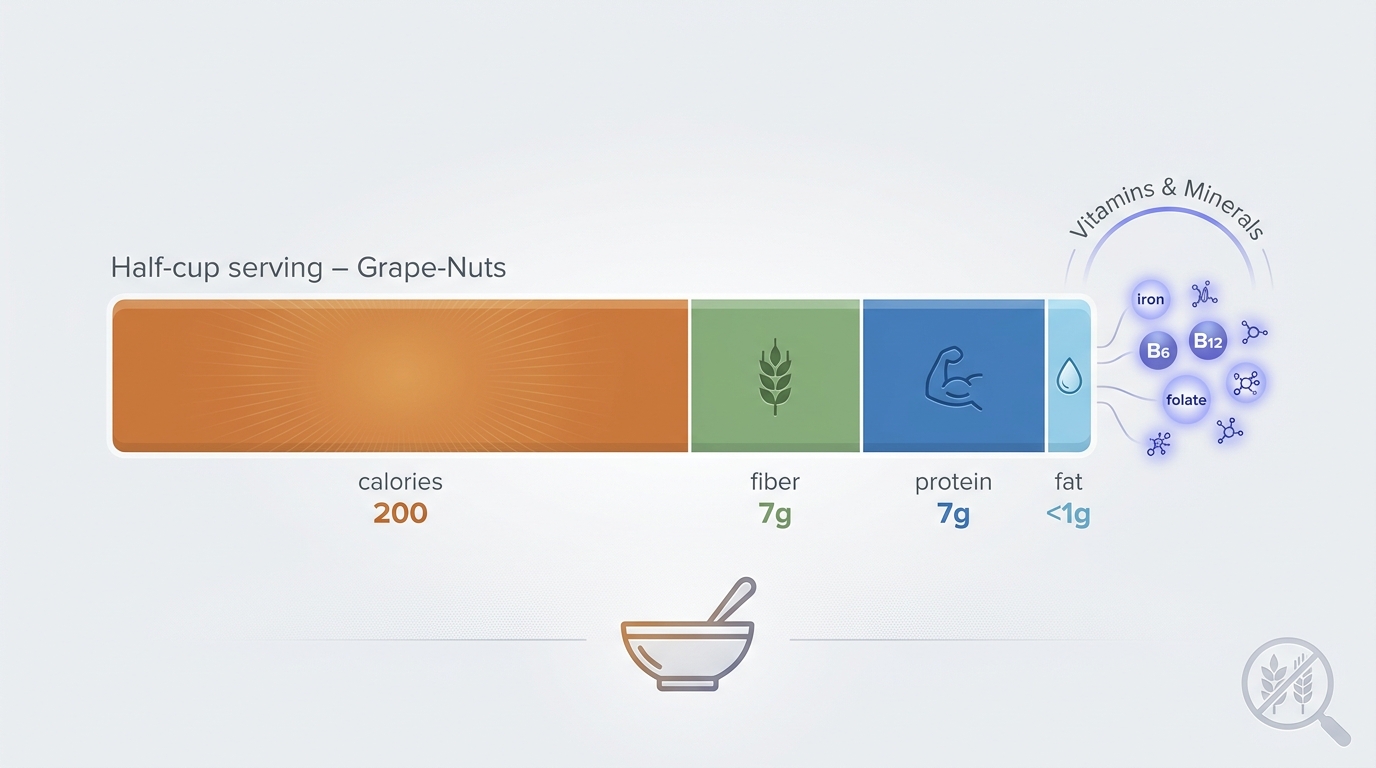
Grape-Nuts cereal provides approximately 200 calories per half-cup serving, with 7 grams of protein and 7 grams of fiber. It contains essential vitamins and minerals including iron, zinc, and B vitamins. The cereal is low in fat with less than 1 gram per serving and contains no cholesterol. It's made primarily from whole grain wheat and malted barley flour, making it a nutrient-dense breakfast option.
Are Grape-Nuts safe for people with gluten allergies?
No, Grape-Nuts are not safe for people with gluten allergies or celiac disease. The cereal contains wheat and barley, both of which are gluten-containing grains. Using an allergy checker app can help identify gluten and other allergens in products by scanning barcodes. People with gluten sensitivities should look for certified gluten-free alternatives instead of traditional Grape-Nuts.
How can I check for allergens in Grape-Nuts and similar products?
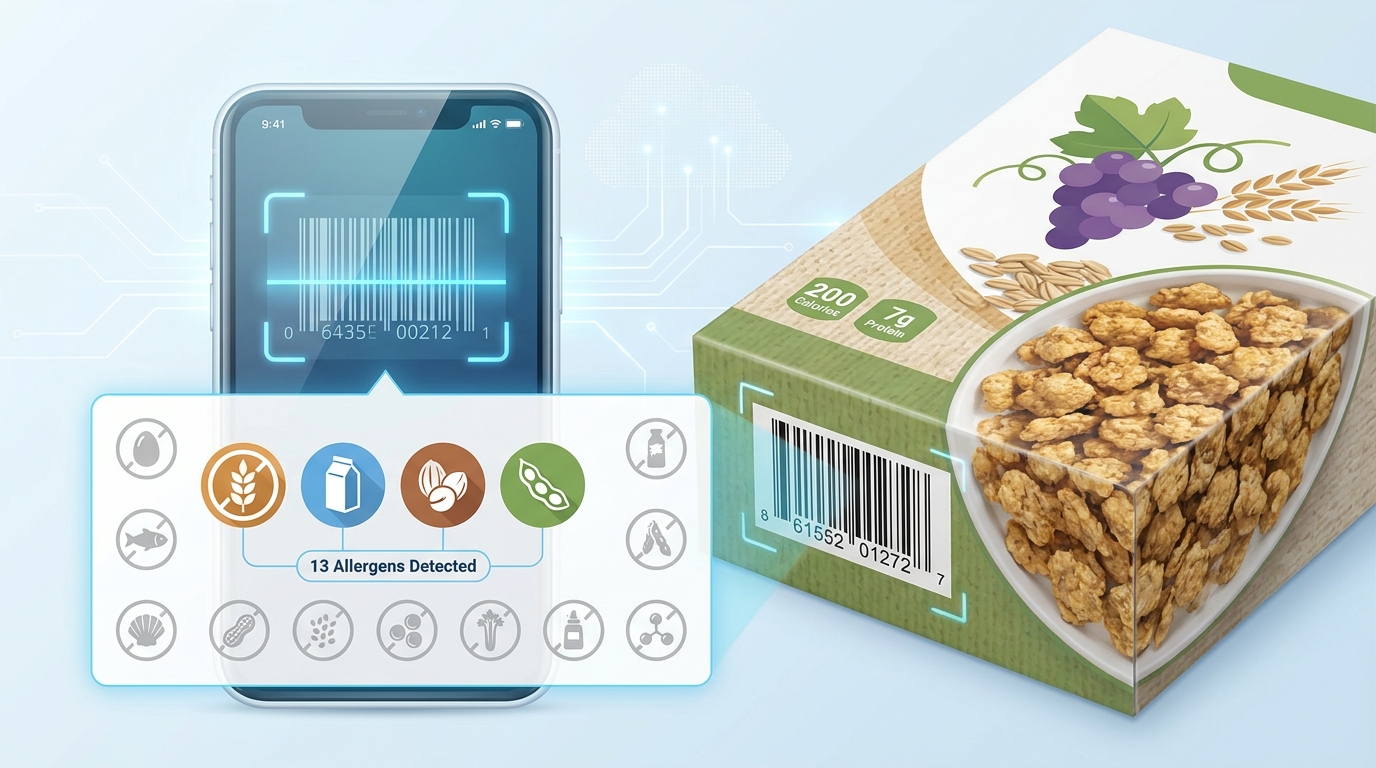
You can use an allergy checker app to scan product barcodes and instantly identify allergens in Grape-Nuts and other foods. These apps detect up to 13 different allergens, including gluten, dairy, nuts, and soy, plus traces, additives, and preservatives. Available on both iOS and Android, allergen scanning apps provide detailed nutritional information and help people with food sensitivities make safer purchasing decisions quickly and confidently.
Does Grape-Nuts nutrition include any artificial additives or preservatives?
Traditional Grape-Nuts cereal contains minimal ingredients and no artificial flavors or colors. The primary ingredients are whole grain wheat flour, malted barley flour, salt, and dried yeast. However, some varieties may contain additional vitamins and minerals for fortification. To verify specific additives or preservatives in any product variant, use an allergy checker app that scans barcodes to reveal complete ingredient lists and nutritional details.
What allergens are present in Grape-Nuts cereal?
Grape-Nuts contains wheat and barley as primary ingredients, making it unsuitable for people with gluten allergies or celiac disease. The cereal may also be processed in facilities that handle other allergens like nuts, soy, or dairy, leading to potential cross-contamination. An allergy checker app can scan the product barcode to provide comprehensive allergen information, including traces and manufacturing warnings for all 13 major allergens.
How does Grape-Nuts nutrition compare to other breakfast cereals?
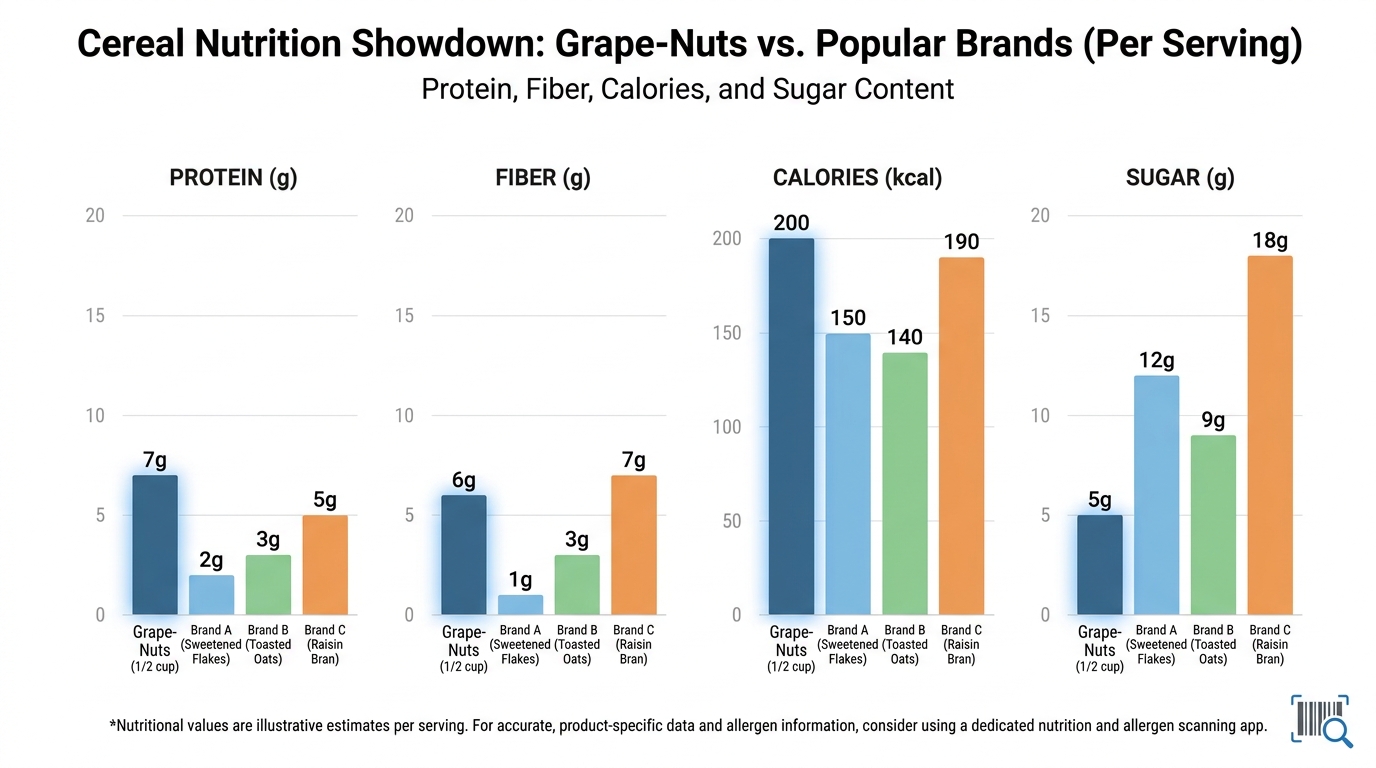
Grape-Nuts offers higher protein (7g) and fiber (7g) content compared to many breakfast cereals, with no added sugar in the original variety. It provides more whole grains and essential nutrients like iron and B vitamins. However, it's denser and higher in calories per volume than puffed cereals. For those monitoring specific nutrients or allergens, using a nutrition calculator or allergy checker app helps compare cereals accurately.
Can people with multiple food allergies safely eat Grape-Nuts?
People with multiple food allergies should carefully evaluate Grape-Nuts, as it contains gluten from wheat and barley. While it doesn't typically contain dairy, eggs, or nuts as ingredients, cross-contamination is possible during manufacturing. An allergy checker app available on iOS and Android can scan the barcode to detect all 13 major allergens, traces, additives, and preservatives, helping individuals with multiple sensitivities make informed decisions.
What is the best way to track Grape-Nuts nutrition for dietary planning?
The best way to track Grape-Nuts nutrition is using digital tools like nutrition calculators or allergen scanning apps. These tools provide accurate calorie counts, macronutrient breakdowns, and allergen information by scanning product barcodes. For comprehensive dietary planning, apps that detect allergens, additives, and preservatives alongside nutritional data help you monitor intake while ensuring food safety, especially if you have dietary restrictions or allergies.
Understanding Grape Nuts Nutrition: A Complete Guide for Health-Conscious Consumers
When it comes to classic breakfast cereals, Grape Nuts stands out as a nutritional powerhouse that has been a pantry staple for over a century. Understanding grape nuts nutrition is essential for anyone managing dietary restrictions, tracking macronutrients, or simply making informed food choices for their family.
This comprehensive guide breaks down everything you need to know about Grape Nuts cereal, from its nutritional profile to allergen information, helping you determine if this crunchy breakfast option fits your dietary needs.
What Are Grape Nuts? Understanding This Unique Cereal
Despite its name, Grape Nuts contains neither grapes nor nuts. This dense, crunchy cereal is made primarily from whole grain wheat flour and malted barley flour, baked into a hard consistency and then broken into small, nugget-like pieces.
The cereal was created in 1897 by C.W. Post, who believed the baking process transformed wheat starch into grape sugar (glucose), hence the "grape" in the name. The "nuts" refers to the nutty flavor profile of the cereal.
Key Characteristics of Grape Nuts
- Extremely dense and crunchy texture that softens in milk
- Made from simple, whole grain ingredients
- No artificial colors, flavors, or high fructose corn syrup
- Versatile for use in recipes beyond breakfast cereal
Grape Nuts Nutrition Facts: Complete Breakdown
Understanding the nutritional content of Grape Nuts helps you make informed decisions about incorporating it into your diet. Here's a detailed look at what you'll find in a typical serving.
| Nutrient | Amount | % Daily Value |
|---|---|---|
| Calories | 210 | - |
| Total Fat | 1g | 1% |
| Saturated Fat | 0g | 0% |
| Trans Fat | 0g | - |
| Cholesterol | 0mg | 0% |
| Sodium | 290mg | 13% |
| Total Carbohydrates | 47g | 17% |
| Dietary Fiber | 7g | 25% |
| Total Sugars | 5g | - |
| Added Sugars | 5g | 10% |
| Protein | 6g | 12% |
| Iron | 16.2mg | 90% |
Micronutrient Profile
Grape Nuts is fortified with essential vitamins and minerals, making it a nutrient-dense breakfast option. The cereal provides significant amounts of iron, B vitamins, zinc, and folic acid.
The high iron content is particularly noteworthy, providing 90% of your daily value in just one serving. This makes Grape Nuts an excellent choice for individuals concerned about iron intake, though those with specific health conditions should consult their healthcare provider.
Allergen Information: What You Need to Know
For individuals managing food allergies or sensitivities, understanding the allergen profile of Grape Nuts is crucial. The primary allergen concern with this cereal is gluten-containing grains.
Primary Allergens Present
- Wheat: A main ingredient in Grape Nuts
- Barley: Contains malted barley flour, which contains gluten
- Gluten: Not suitable for those with celiac disease or gluten sensitivities
Unlike some cereals, Grape Nuts does not contain common allergens such as milk, eggs, peanuts, tree nuts, soy, fish, or shellfish in its standard formulation. However, always check the packaging for the most current allergen information and potential cross-contamination warnings.
For those seeking gluten-free alternatives, products like Rice Krispies may be an option, though traditional Rice Krispies contain malt flavoring from barley. Similarly, if you're exploring other gluten-free options, you might want to check out whether grits are gluten-free.
Managing Allergen Concerns with Technology
Navigating food allergies can be challenging, especially when dealing with complex ingredients and manufacturing processes. Using an allergy checker app can help you quickly scan products and identify potential allergens before purchasing.
Health Benefits of Grape Nuts Cereal
Beyond basic nutrition, Grape Nuts offers several health benefits that make it a popular choice among health-conscious consumers.
High Fiber Content
With 7 grams of dietary fiber per serving, Grape Nuts provides 25% of your daily fiber needs. This high fiber content supports digestive health, helps maintain stable blood sugar levels, and promotes feelings of fullness.
The soluble and insoluble fiber in whole grains like those found in Grape Nuts can help reduce cholesterol levels and support cardiovascular health.
Whole Grain Benefits
Made primarily from whole grain wheat flour, Grape Nuts delivers the nutritional benefits associated with whole grain consumption, including reduced risk of heart disease, type 2 diabetes, and certain cancers.
Protein for Satiety
With 6 grams of protein per serving, Grape Nuts provides more protein than many other breakfast cereals. This protein content, combined with high fiber, helps keep you satisfied throughout the morning.
Comparing Grape Nuts to Other Breakfast Cereals
Understanding how Grape Nuts stacks up against other popular breakfast options can help you make the best choice for your nutritional needs.
| Cereal | Calories | Fiber (g) | Protein (g) | Sugar (g) |
|---|---|---|---|---|
| Grape Nuts | 210 | 7 | 6 | 5 |
| Cinnamon Toast Crunch | 170 | 2 | 2 | 12 |
| Rice Krispies | 130 | 0 | 2 | 4 |
| Cheerios | 140 | 4 | 5 | 2 |
As the comparison shows, Grape Nuts stands out for its high fiber and protein content, though it also contains more calories per serving than some alternatives. The sugar content is moderate compared to many sweetened cereals.
Ingredients Analysis: What's Really Inside
Reading and understanding ingredient labels is essential for anyone managing allergies or avoiding specific additives. Grape Nuts maintains a relatively simple ingredient list compared to many modern cereals.
Primary Ingredients
- Whole Grain Wheat Flour: The main ingredient, providing fiber and nutrients
- Malted Barley Flour: Adds flavor and contains gluten
- Salt: For flavor enhancement
- Dried Yeast: Contributes to the unique flavor profile
Vitamins and Minerals Added
The cereal is fortified with essential nutrients including reduced iron, niacinamide, zinc oxide, thiamin mononitrate, pyridoxine hydrochloride, riboflavin, and folic acid. These additions help ensure the cereal contributes meaningfully to your daily micronutrient needs.
Unlike some processed foods that contain complex chemical additives, Grape Nuts avoids ingredients like hydroxy stearic acid, methane sulfonic acid, or poly carboxylic acid, which are sometimes found in other processed food products.
How to Incorporate Grape Nuts into Your Diet
While Grape Nuts is traditionally eaten as a breakfast cereal with milk, its versatility extends far beyond the breakfast bowl.
Creative Serving Suggestions
- Classic Bowl: Serve with milk or non-dairy alternatives and fresh berries
- Yogurt Topping: Add crunch to Greek yogurt or cottage cheese
- Baking Ingredient: Use as a topping for muffins or incorporate into bread recipes
- Ice Cream Topping: Adds texture and nutrition to frozen desserts
- Smoothie Bowl: Sprinkle on top for added fiber and crunch
Portion Control Tips
Due to its density, Grape Nuts is quite calorie-dense compared to puffed cereals. A half-cup serving may look small but packs significant nutrition and calories.
Consider starting with a quarter-cup serving mixed with other cereals or toppings to stretch the volume while managing calorie intake. This approach works well for those tracking nutrition similarly to how you might use a Chipotle nutrition calculator to manage meal macros.
Grape Nuts for Special Diets
Understanding how Grape Nuts fits into various dietary patterns helps determine if it's right for your specific needs.
Vegetarian and Vegan Diets
Grape Nuts is suitable for both vegetarian and vegan diets, as it contains no animal products. The iron fortification is particularly beneficial for those following plant-based eating patterns.
Weight Management
The high fiber and protein content make Grape Nuts a satisfying breakfast option that can support weight management goals. However, portion control is essential due to the calorie density.
Diabetes Management
While Grape Nuts contains carbohydrates, the high fiber content helps slow glucose absorption. Individuals with diabetes should work with their healthcare team to determine appropriate serving sizes.
Gluten-Free Diets
Unfortunately, Grape Nuts is not suitable for those requiring gluten-free options due to its wheat and barley content. Those seeking gluten-free alternatives might explore options like certified gluten-free tortilla chips for snacking or other certified gluten-free cereals.
For individuals with celiac disease or severe gluten sensitivities, finding truly gluten-free alternatives is crucial. Just as there are gluten free wheat free beer options available, the cereal market now offers various gluten-free alternatives, though none perfectly replicate the unique texture of Grape Nuts.
Storage and Shelf Life
Proper storage ensures your Grape Nuts maintains its quality and nutritional value over time.
Storage Best Practices
- Store in a cool, dry place away from direct sunlight
- Keep the package tightly sealed to prevent moisture absorption
- Transfer to an airtight container after opening for maximum freshness
- Avoid storing near strong-smelling foods as the cereal can absorb odors
Unopened Grape Nuts typically has a shelf life of 6-12 months when stored properly. Once opened, consume within 2-3 months for best quality, though the cereal remains safe to eat beyond this timeframe if stored correctly.
Reading Labels: Ensuring Safety for Allergy Management
For individuals with food allergies, careful label reading is non-negotiable. While Grape Nuts has a straightforward ingredient list, understanding what to look for protects your health.
Key Label Elements to Check
- Ingredient List: Always read the complete list, even for familiar products
- Allergen Statement: Look for "Contains" statements highlighting major allergens
- Cross-Contamination Warnings: Check for "may contain" or "processed in a facility" statements
- Certification Seals: Look for relevant certifications (though Grape Nuts is not gluten-free certified)
Technology can simplify this process significantly. Using Nutrict's food allergy scanner allows you to quickly scan barcodes and identify potential allergens, traces, additives, and preservatives in seconds, making grocery shopping safer and more efficient.
Nutritional Comparison: Grape Nuts vs. Homemade Alternatives
Some health-conscious consumers prefer making their own granola or cereal alternatives. Here's how homemade options compare to Grape Nuts.
Advantages of Grape Nuts
- Consistent nutritional profile with fortified vitamins and minerals
- Convenience and time-saving
- Standardized portion sizes
- Long shelf life without refrigeration
Advantages of Homemade Alternatives
- Complete control over ingredients and sweetness levels
- Ability to customize for specific dietary needs
- Potential for lower sodium content
- Can create gluten-free versions using alternative grains
Both options have merit depending on your priorities, time availability, and specific nutritional goals.
Understanding Food Additives and Preservatives
One of Grape Nuts' strengths is its minimal use of additives and preservatives compared to many modern processed foods. The cereal's simple ingredient list makes it easier for those avoiding specific chemical compounds.
While Grape Nuts doesn't contain complex chemical additives like hydroxy stearic acid (used in some cosmetics and pharmaceuticals), methane sulfonic acid (an industrial chemical), or poly carboxylic acid (used in various industrial applications), many processed foods do contain various additives.
For consumers concerned about additives and preservatives in their food, using an allergy checker app can help identify not just allergens but also additives that you may wish to avoid.
Making Informed Choices at Restaurants
While Grape Nuts is primarily a home breakfast option, understanding nutritional information extends to all eating occasions. When dining out, having access to nutritional data helps maintain dietary goals.
For example, when visiting popular chains, using resources like Chipotle nutrition info or a chipotle nutrition calculator helps you make informed decisions similar to how you evaluate breakfast cereal options at home.
This comprehensive approach to nutrition—whether at home or eating out—ensures consistency in managing your dietary needs and health goals.
Cost-Effectiveness and Value Analysis
Evaluating the cost per serving helps determine if Grape Nuts fits your budget while meeting nutritional needs.
| Factor | Grape Nuts | Typical Sweetened Cereal |
|---|---|---|
| Serving Size | 1/2 cup (58g) | 3/4-1 cup (30-40g) |
| Servings per Box | 12-14 | 10-12 |
| Nutrition Density | High | Low to Moderate |
| Satiety Factor | High | Low to Moderate |
While Grape Nuts may have a higher upfront cost per box, the nutrient density and satiety factor often provide better value per serving compared to less nutritious alternatives.
Environmental and Sustainability Considerations
Modern consumers increasingly consider the environmental impact of their food choices. Grape Nuts' simple ingredient list of wheat and barley represents a relatively straightforward agricultural supply chain.
Sustainability Factors
- Made primarily from domestically-grown grains
- Minimal processing compared to many cereals
- Long shelf life reduces food waste
- Cardboard packaging is recyclable
Choosing products with simple, recognizable ingredients often correlates with lower environmental impact, though individual brand practices vary.
Take Control of Your Nutritional Choices
Understanding grape nuts nutrition empowers you to make informed decisions about your breakfast choices and overall diet. Whether you're managing food allergies, tracking macronutrients, or simply seeking nutritious options for your family, having accurate nutritional information is essential.
For those managing food allergies or sensitivities, navigating grocery store aisles can be challenging and time-consuming. Reading every label carefully is crucial, but it doesn't have to be overwhelming.
With Nutrict's food allergy scanner app, you can quickly scan product barcodes to identify 13 different allergens, traces, additives, and preservatives in seconds. Available on both iOS and Android, Nutrict takes the guesswork out of grocery shopping, helping you and your family stay safe while making nutritious choices. Download Nutrict today and experience the confidence that comes with having allergen information at your fingertips.
Article created using IntentRank