Best Gluten & Wheat Free Beer Brands You Can Drink Safely
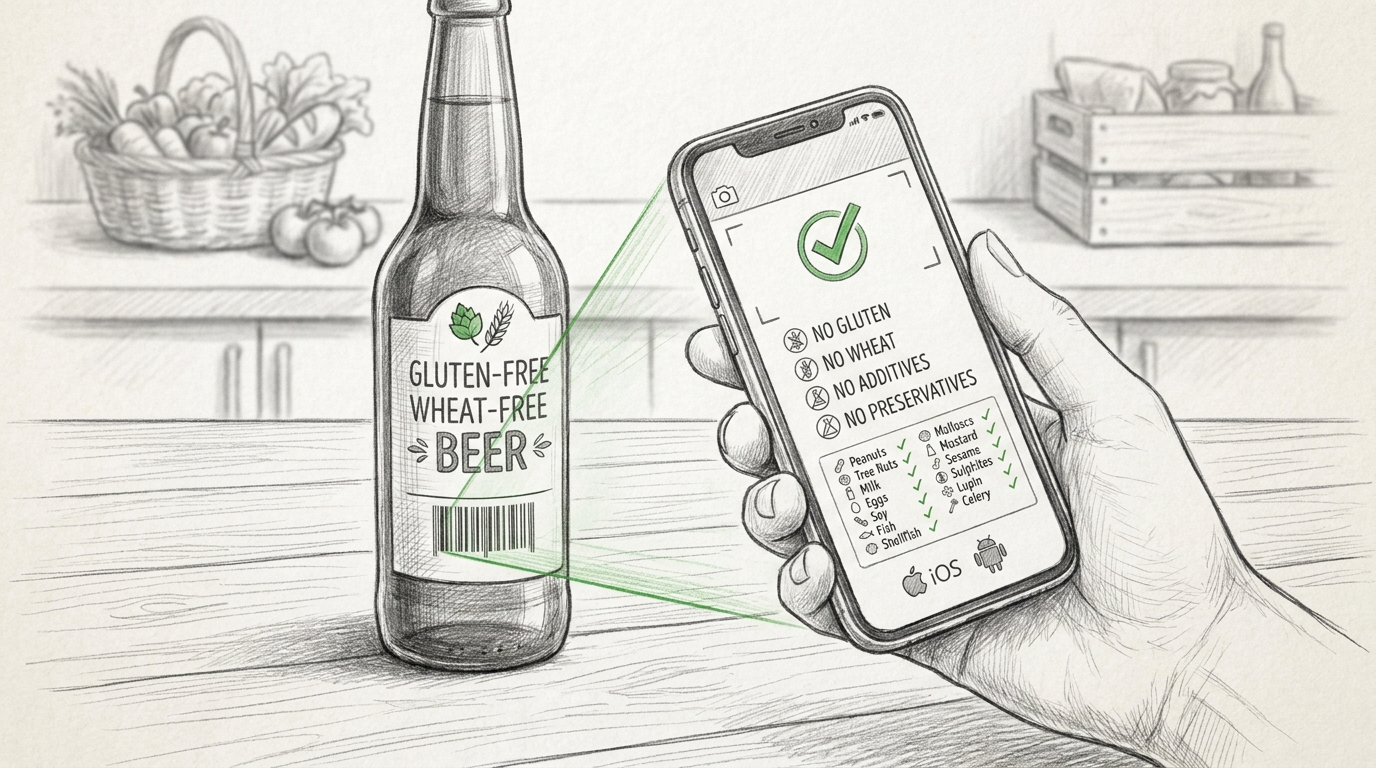
TL;DR: Gluten free wheat free beer is brewed using alternative grains like sorghum, rice, millet, or buckwheat instead of traditional barley and wheat. These specialty beers cater to people with celiac disease or gluten sensitivities. Use allergen scanning apps to verify products are truly gluten-free by checking labels for hidden wheat derivatives and cross-contamination warnings before purchasing.
Frequently Asked Questions

What is gluten free wheat free beer made from?
Gluten free wheat free beer is typically made from alternative grains like sorghum, millet, rice, corn, or buckwheat instead of traditional barley and wheat. Some breweries also use gluten-removed processes with barley, though these may not be suitable for celiac disease. Popular brands include Omission, Glutenberg, and New Planet, which craft beers specifically for those with gluten sensitivities or celiac disease.
How can I verify if beer is truly gluten free and wheat free?
Use an allergen checker app to scan beer barcodes and instantly detect gluten, wheat, and other allergens. These apps identify traces, additives, and preservatives in products. Look for certifications like "Certified Gluten-Free" (under 20 ppm) on labels. Always check ingredient lists for barley, wheat, rye, or malt. Apps available on iOS and Android make verification quick and reliable for safe purchasing decisions.
Where can I buy gluten free wheat free beer?
Gluten free wheat free beer is available at major grocery stores like Whole Foods, Trader Joe's, and Kroger, as well as specialty health food stores. Online retailers including Amazon, Drizly, and brewery websites offer home delivery. Many craft breweries now produce dedicated gluten-free options. Use allergen scanning apps while shopping to verify products meet your dietary requirements before purchasing.
Does gluten free wheat free beer taste different from regular beer?
Gluten free wheat free beer can taste slightly different due to alternative grains used in brewing. Many modern craft versions closely mimic traditional beer flavors with hoppy IPAs, rich stouts, and crisp lagers available. Taste varies by brand and brewing method. Sorghum-based beers may have subtle sweetness, while rice-based versions offer lighter profiles. Quality has improved significantly, with many options indistinguishable from conventional beers.
Are restaurants that are gluten free serving wheat free beer options?
Many gluten-free restaurants now offer wheat free beer options on their menus. Chains like Chipotle provide detailed nutrition info and allergen information, though beer availability varies by location. Dedicated gluten-free establishments typically stock multiple beer brands. Always verify with staff and use allergen checker apps to confirm products meet your needs, as cross-contamination can occur in kitchens serving both gluten-free and regular items.
Is gluten removed beer safe for celiac disease compared to gluten free wheat free beer?
Gluten-removed beers use enzymes to break down gluten in barley-based beer but may still contain gluten fragments. They're not recommended for celiac disease sufferers. True gluten free wheat free beer made from alternative grains like sorghum or rice contains no gluten and is safer for celiac patients. Always check labels and use allergen scanning apps to verify products are certified gluten-free, not just gluten-reduced.
What allergens should I check for besides gluten in wheat free beer?
Beyond gluten and wheat, check for additives, preservatives, and traces of other allergens. Some beers contain sulfites, which cause reactions in sensitive individuals. Flavored varieties may include lactose, nuts, or fruit allergens. Use an allergy checker app that scans barcodes to detect 13 different allergens, traces, additives, and preservatives. This ensures comprehensive safety for multiple dietary restrictions and allergies.
How do I read nutrition info for gluten free wheat free beer?
Gluten free wheat free beer nutrition labels show calories (typically 100-180 per serving), carbohydrates, and alcohol content. Check ingredient lists for allergens and alternative grains used. Similar to using a chipotle nutrition calculator for meals, allergen checker apps provide detailed nutritional breakdowns and allergen information by scanning product barcodes. This helps track dietary intake and avoid unwanted ingredients efficiently.
Understanding Gluten Free Wheat Free Beer: Your Complete Guide

For individuals with celiac disease or gluten sensitivities, finding safe beverage options can be challenging. Traditional beer contains barley, wheat, or rye—all of which contain gluten proteins that can trigger adverse reactions. Fortunately, the market for gluten free wheat free beer has expanded dramatically in recent years, offering delicious alternatives that don't compromise on taste or quality.
Whether you're managing celiac disease, dealing with wheat allergies, or simply choosing to avoid gluten for health reasons, understanding your beer options is essential. This comprehensive guide will help you navigate the world of gluten-free brewing, identify safe products, and make informed choices about what you're drinking.
With the rise of allergy checker apps and increased awareness about food sensitivities, consumers now have more tools than ever to verify product safety. Let's explore everything you need to know about gluten-free, wheat-free beer options.
What Makes Beer Gluten Free and Wheat Free?

The Difference Between Gluten-Removed and Gluten-Free
Not all "gluten-free" beers are created equal. Understanding the distinction between truly gluten-free beer and gluten-removed beer is crucial for your safety.
- Gluten-Free Beer: Made entirely from gluten-free grains like sorghum, rice, millet, buckwheat, or quinoa. These beers never contain gluten proteins.
- Gluten-Removed Beer: Brewed with traditional gluten-containing grains, then treated with enzymes to break down gluten proteins below 20 ppm (parts per million).
- Wheat-Free Beer: Avoids wheat specifically but may still contain barley or rye unless labeled completely gluten-free.
For individuals with celiac disease, only truly gluten-free beer made from naturally gluten-free grains is considered safe. The gluten-removed process may not eliminate all gluten fragments that can trigger immune responses.
Common Gluten-Free Brewing Ingredients
Brewers have become increasingly creative with alternative grains and ingredients to create flavorful gluten-free beers:
| Ingredient | Characteristics | Common Beer Styles |
|---|---|---|
| Sorghum | Slightly sweet, light body | Lagers, light ales |
| Rice | Clean, crisp flavor | Japanese-style lagers |
| Millet | Mild, slightly nutty | Pale ales, amber ales |
| Buckwheat | Earthy, robust flavor | Dark ales, stouts |
| Quinoa | Protein-rich, subtle flavor | Specialty craft beers |
Top Gluten Free Wheat Free Beer Brands
Certified Gluten-Free Beer Options
Several breweries have dedicated themselves to producing high-quality gluten-free beers that rival their traditional counterparts. Here are some of the most popular and widely available options:
- Omission Beer: Uses a proprietary gluten-removal process, though controversial for celiac sufferers
- Glutenberg: 100% gluten-free brewery offering multiple styles including blonde, red, IPA, and stout
- New Planet Beer: Certified gluten-free with options like Tread Lightly Ale and Blonde Ale
- Ground Breaker Brewing: Dedicated gluten-free facility using chestnuts, lentils, and sorghum
- Holidaily Brewing Company: Specializes in gluten-free craft beer with various seasonal offerings
- Ghostfish Brewing: Award-winning gluten-free brewery with extensive variety
When shopping for gluten-free beer, always verify the label and look for third-party certifications. Just as you would use an allergy checker app to scan food products, checking beer labels thoroughly ensures your safety.
International Gluten-Free Beer Selections
The global market has embraced gluten-free brewing with enthusiasm. International options include:
- Estrella Damm Daura (Spain): Gluten-removed lager available worldwide
- St. Peter's G-Free (UK): Sorghum-based beer with traditional brewing methods
- Celia Saison (Czech Republic): Certified gluten-free with European authenticity
- Two Brothers Prairie Path (USA): Golden ale made from millet and sorghum
Reading Labels and Identifying Safe Products
Certification Marks to Look For
Understanding certification labels helps you make informed decisions when selecting gluten-free beer. Look for these important markers:
| Certification | Standard | Reliability |
|---|---|---|
| Certified Gluten-Free (GFCO) | Less than 10 ppm gluten | Highest standard |
| FDA Gluten-Free | Less than 20 ppm gluten | Regulatory standard |
| CSA Recognition Seal | Less than 5 ppm gluten | Very reliable |
| Crossed Grain Symbol | International standard | Widely recognized |
Similar to how you might check whether grits are gluten free or if Rice Krispies are gluten free, verifying beer ingredients requires careful label reading and awareness of certification standards.
Hidden Sources of Gluten in Beer
Even when a beer appears safe, certain additives and processing methods can introduce gluten contamination:
- Malt flavoring: Often derived from barley malt
- Caramel coloring: May be produced from gluten-containing sources
- Yeast additives: Some yeast nutrients contain wheat-based ingredients
- Stabilizers and clarifiers: Can include gluten-derived compounds
- Cross-contamination: Shared equipment with gluten-containing products
Using technology like an allergy checker app can help you quickly scan products and identify potential allergens, including gluten sources that might not be immediately obvious on labels.
Health Considerations and Nutritional Information
Nutritional Profile of Gluten-Free Beer
Gluten-free beers often have nutritional profiles that differ from traditional beers. Understanding these differences helps you make informed dietary choices.
Most gluten-free beers contain:
- Approximately 120-180 calories per 12 oz serving
- 10-20 grams of carbohydrates
- 0-2 grams of protein (lower than traditional beer)
- 4-6% alcohol by volume (ABV)
- Minimal vitamins and minerals
Just as you might use a Chipotle nutrition calculator to track your meal intake, monitoring your beer consumption helps maintain balanced nutrition, especially when managing food sensitivities.
Potential Health Benefits and Concerns
For individuals with gluten sensitivities or celiac disease, switching to gluten-free beer offers significant health advantages:
- Reduced inflammation: Eliminating gluten can decrease digestive inflammation
- Better nutrient absorption: Healing gut lining improves vitamin and mineral uptake
- Symptom relief: Avoiding gluten prevents headaches, bloating, and fatigue
- Long-term health: Reduces risk of complications associated with celiac disease
However, it's important to note that gluten-free doesn't automatically mean healthier. Some gluten-free beers may contain higher sugar content or different additives like hydroxy stearic acid or methane sulfonic acid as stabilizers, though these are generally recognized as safe by regulatory agencies.
Where to Find Gluten Free Wheat Free Beer
Retail Locations and Online Shopping
Finding gluten-free beer has become easier as demand has increased. Here are the best places to shop:
- Specialty beer stores: Often carry extensive gluten-free selections
- Health food stores: Whole Foods, Sprouts, and natural grocers stock multiple brands
- Major grocery chains: Many now dedicate shelf space to gluten-free beers
- Online retailers: Drizly, Tavour, and brewery websites offer direct shipping
- Brewery taprooms: Visit dedicated gluten-free breweries for fresh options
When shopping, remember that availability varies by region. Some states have restrictions on alcohol shipping, so check local regulations before ordering online.
Restaurants That Are Gluten Free Friendly
Finding restaurants that are gluten free friendly and offer gluten-free beer options enhances your dining experience. Many establishments now cater to gluten-sensitive customers:
| Restaurant Type | Typical GF Beer Availability | Additional GF Options |
|---|---|---|
| Craft brewpubs | Often have 1-2 GF options | GF food menu items |
| Chain restaurants | Varies by location | Dedicated GF menus |
| Pizza restaurants | Increasingly common | GF pizza crusts |
| Sports bars | Growing selection | Limited GF food |
When dining out, always verify with staff about cross-contamination procedures. Just as you might check Chipotle nutrition info before ordering, asking about beer ingredients and handling practices ensures your safety.
Brewing Your Own Gluten-Free Beer
Home Brewing Basics
For enthusiasts who want complete control over ingredients, home brewing offers an exciting solution. Creating your own gluten-free wheat-free beer requires specific equipment and knowledge:
- Essential equipment: Fermenting vessel, airlock, bottles, sanitizer, and brewing kettle
- Gluten-free grains: Purchase certified gluten-free sorghum, millet, or rice malt
- Dedicated equipment: Use separate tools to avoid cross-contamination
- Recipe kits: Start with pre-measured gluten-free brewing kits
- Patience: Gluten-free beers often require longer fermentation times
Home brewing allows you to experiment with flavors and ensure absolute safety from cross-contamination, similar to how preparing meals at home gives you complete control over ingredients.
Popular Gluten-Free Beer Recipes
Starting with simple recipes helps you develop brewing skills before attempting complex styles:
- Sorghum Blonde Ale: Light, refreshing, and beginner-friendly
- Millet IPA: Hoppy and aromatic with citrus notes
- Buckwheat Stout: Rich, dark beer with chocolate undertones
- Rice Lager: Crisp and clean, similar to Japanese beers
Many online communities and forums share gluten-free brewing tips and recipes, providing support for new brewers navigating this specialty area.
Understanding Cross-Contamination Risks
Production Facility Concerns
Even when beer is made from gluten-free ingredients, cross-contamination during production can introduce gluten proteins. Understanding these risks helps you make safer choices:
- Shared equipment: Breweries producing both regular and gluten-free beers may have contamination issues
- Ingredient storage: Gluten-free grains stored near wheat or barley can become contaminated
- Cleaning protocols: Inadequate sanitation between batches introduces gluten
- Packaging lines: Bottling equipment shared with gluten-containing products poses risks
Look for breweries with dedicated gluten-free facilities or those that follow strict separation protocols. This is similar to checking whether products like tortilla chips are gluten free, where manufacturing processes significantly impact safety.
Restaurant and Bar Safety
When ordering gluten-free beer at establishments, additional precautions protect your health:
- Request beer served in a clean glass (not one previously used for regular beer)
- Verify that tap lines are dedicated to gluten-free beer only
- Ask about draft beer cross-contamination risks
- Opt for bottled or canned beer when possible for maximum safety
- Communicate your celiac diagnosis to servers for proper handling
Using tools like an allergy scanning app helps you verify product safety before consuming, adding an extra layer of protection when dining out.
The Future of Gluten-Free Brewing
Innovation and Market Trends
The gluten-free beer market continues to evolve with exciting developments on the horizon:
- Enzyme technology: Improved gluten-removal processes that may become safer for celiac patients
- Ancient grains: Experimentation with teff, amaranth, and other nutrient-dense alternatives
- Craft brewery expansion: More small breweries dedicating production to gluten-free options
- Flavor improvements: Advanced techniques creating beers indistinguishable from traditional varieties
- Sustainability focus: Eco-friendly brewing practices using gluten-free grains
As consumer demand grows, breweries invest more resources into research and development, promising even better options for those requiring gluten-free alternatives.
Regulatory Developments
Government agencies worldwide are refining gluten-free labeling standards to better protect consumers:
- Stricter testing requirements for products claiming gluten-free status
- Clearer distinctions between gluten-free and gluten-removed products
- Enhanced enforcement of cross-contamination prevention
- International harmonization of gluten-free standards
These regulatory improvements parallel developments in food safety technology, including advanced allergen detection methods and digital tools that help consumers identify safe products instantly.
Comparing Gluten-Free Beer to Other Alternatives
Hard Ciders and Seltzers
When gluten-free beer isn't available, other naturally gluten-free alcoholic beverages provide alternatives:
| Beverage Type | Gluten Status | Flavor Profile | Calorie Range |
|---|---|---|---|
| Hard Cider | Naturally gluten-free | Sweet to dry apple | 150-200 per 12 oz |
| Hard Seltzer | Typically gluten-free | Light, fruity | 90-110 per 12 oz |
| Wine | Naturally gluten-free | Varies widely | 120-150 per 5 oz |
| Gluten-Free Beer | Certified GF | Traditional beer taste | 120-180 per 12 oz |
Each option has distinct advantages depending on your taste preferences and dietary needs. Many people with gluten sensitivities maintain variety by rotating between these different beverages.
Spirits and Distilled Beverages
Pure distilled spirits are generally considered gluten-free, even when made from gluten-containing grains, because the distillation process removes gluten proteins. However, some individuals with severe sensitivities still react to these beverages:
- Vodka: Potato or corn-based varieties are safest
- Rum: Made from sugarcane, naturally gluten-free
- Tequila: Made from agave, completely gluten-free
- Gin: Distilled versions are typically safe, but verify botanicals
Always check flavored spirits, as additives introduced after distillation may contain gluten.
Managing Social Situations with Gluten-Free Beer
Navigating Social Events
Social gatherings centered around food and drink can be challenging when managing dietary restrictions. Here are strategies for enjoying events while staying safe:
- Bring your own gluten-free beer to parties and gatherings
- Educate friends and family about your needs without making it awkward
- Research venue options before accepting invitations
- Connect with others who have similar dietary restrictions
- Focus on the social aspect rather than what you're drinking
Many people find that being upfront about dietary needs actually strengthens relationships, as friends appreciate the honesty and often make accommodations.
Travel Considerations
Traveling with gluten sensitivities requires planning, especially regarding alcoholic beverages:
- Research gluten-free beer availability at your destination
- Pack canned gluten-free beer in checked luggage when possible
- Download translation cards explaining your dietary needs in local languages
- Use apps to locate gluten-free friendly establishments
- Contact hotels in advance about minibar options
Just as you might use technology to find nutrition information for restaurants, leveraging apps and online resources makes travel with dietary restrictions much more manageable.
Cost Considerations and Value
Price Comparison
Gluten-free beer typically costs more than traditional beer due to specialized ingredients and production processes:
- Traditional beer: $8-15 per six-pack
- Gluten-free beer: $12-20 per six-pack
- Premium craft GF beer: $15-25 per six-pack
- Imported GF options: $18-30 per six-pack
While the price premium may seem significant, most people with celiac disease or severe gluten sensitivity consider it a worthwhile investment in their health and quality of life.
Money-Saving Strategies
Reduce costs while maintaining your gluten-free lifestyle with these approaches:
- Buy in bulk when you find brands you enjoy
- Subscribe to brewery newsletters for discounts and promotions
- Join gluten-free community groups for buying co-ops
- Consider home brewing for long-term savings
- Watch for seasonal sales at specialty stores
Balancing cost with health needs is similar to managing any specialized diet—planning and strategic shopping make significant differences in your budget.
Take Control of Your Allergen Safety
Finding safe gluten-free wheat-free beer is just one aspect of managing food allergies and sensitivities. Whether you're checking ingredients in beverages, verifying that snacks like tortilla chips are gluten free, or researching nutrition information for your favorite restaurants, having reliable tools makes all the difference.
Technology has revolutionized how we manage dietary restrictions. Instead of manually researching every product or worrying about hidden allergens, you can now scan barcodes instantly to identify potential dangers. This is especially important when dealing with complex ingredients like poly carboxylic acid, methane sulfonic acid, or hydroxy stearic acid that may appear in processed foods and beverages.
The Nutrict app empowers you to make informed decisions quickly and confidently. With the ability to scan products for 13 different allergens, traces, additives, and preservatives, you'll never have to guess about product safety again. Whether you're shopping for gluten-free beer, checking if products contain gluten free cheese-its alternatives, or researching detailed nutrition info, having instant access to comprehensive allergen information protects your health.
Don't leave your safety to chance. Download the Nutrict app today and join thousands of users who have taken control of their dietary restrictions. Available on both iOS and Android, Nutrict makes allergen checking as simple as scanning a barcode. Visit our website to learn more about how this powerful allergy checker app can transform your shopping experience and give you peace of mind with every purchase.
Managing gluten sensitivities doesn't mean sacrificing enjoyment—it means making informed choices. With the right tools and knowledge, you can safely enjoy gluten-free wheat-free beer and countless other products while protecting your health. Start your journey to safer, more confident food and beverage choices today.
Article created using IntentRank