Gluten Free Granola: Scan Labels & Find Safe Options Fast
TL;DR: Gluten free granola is a breakfast cereal made without wheat, barley, or rye, perfect for those with celiac disease or gluten sensitivity. When shopping, scan product barcodes with allergen detection apps to verify gluten-free status and check for cross-contamination traces, ensuring safe consumption for your dietary needs.
Frequently Asked Questions
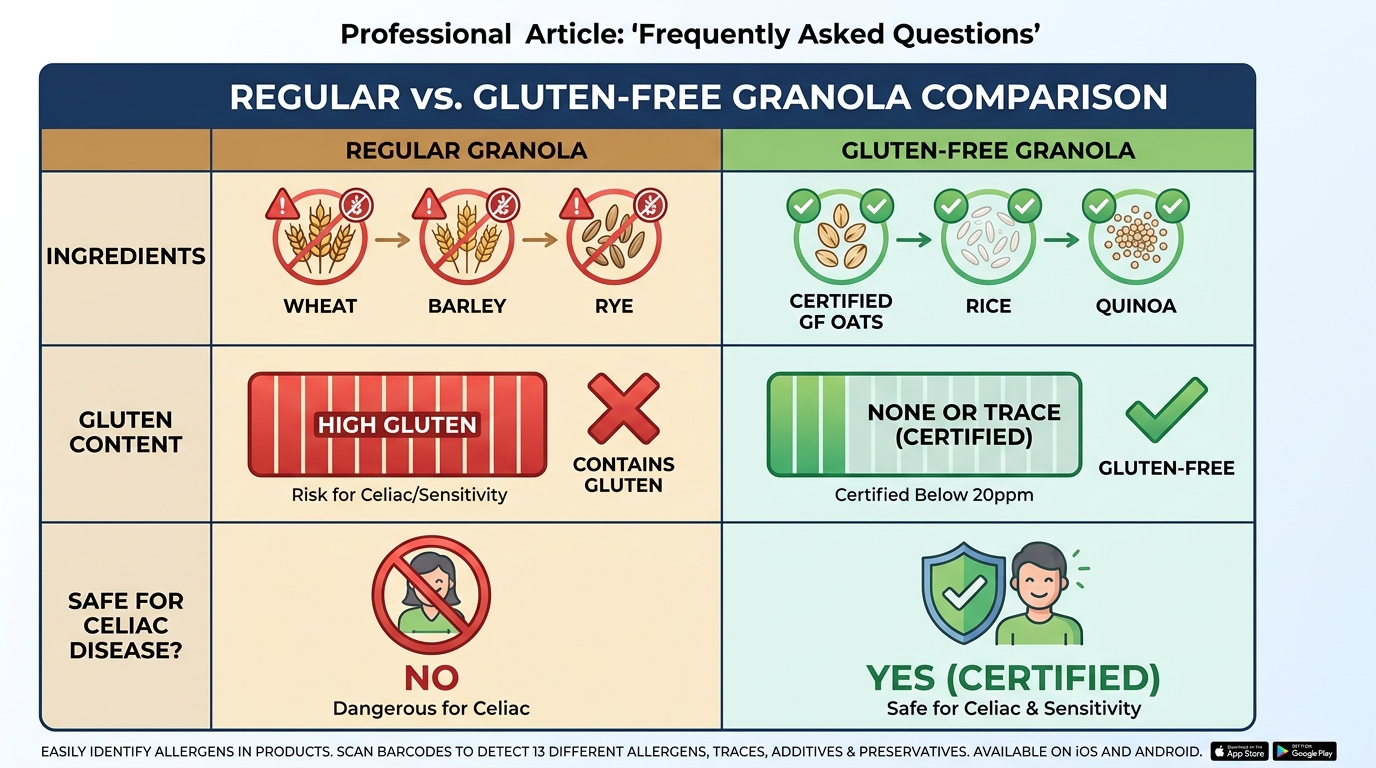
What is gluten free granola and how is it different from regular granola?
Gluten free granola is a breakfast cereal made without wheat, barley, rye, or other gluten-containing grains. Instead, it uses certified gluten-free oats, rice, quinoa, or alternative grains. The main difference is the absence of gluten proteins, making it safe for people with celiac disease or gluten sensitivity. Many brands are now certified gluten-free to prevent cross-contamination during manufacturing.
How can I verify if granola is truly gluten free using an allergen checker app?
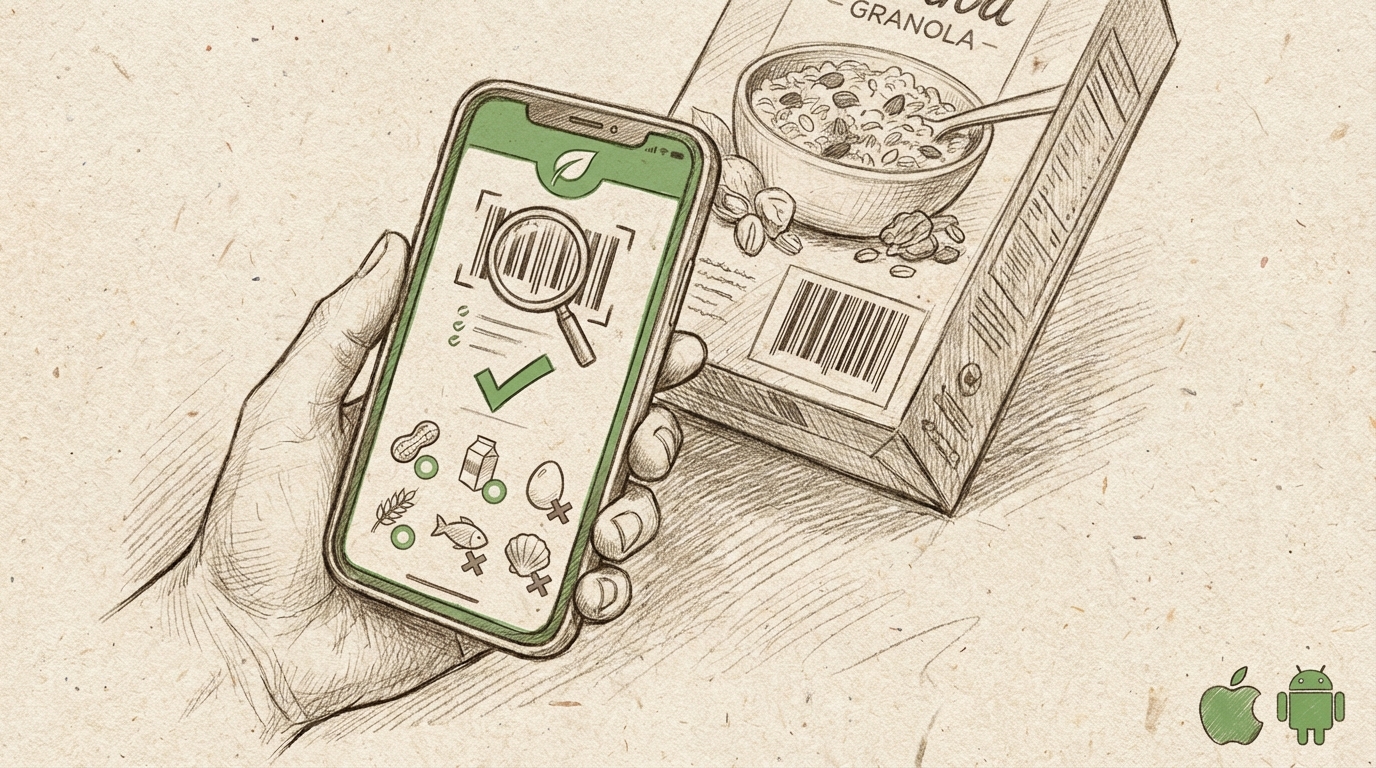
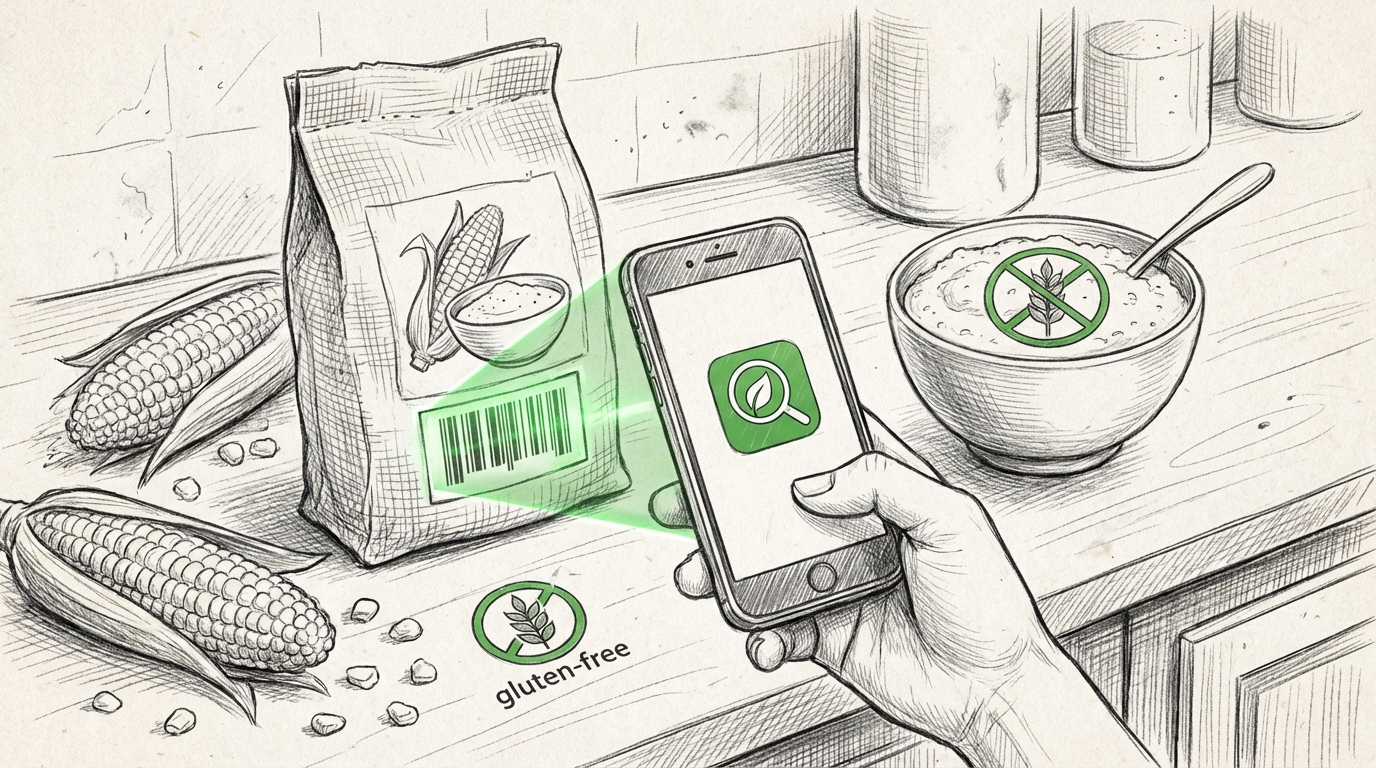
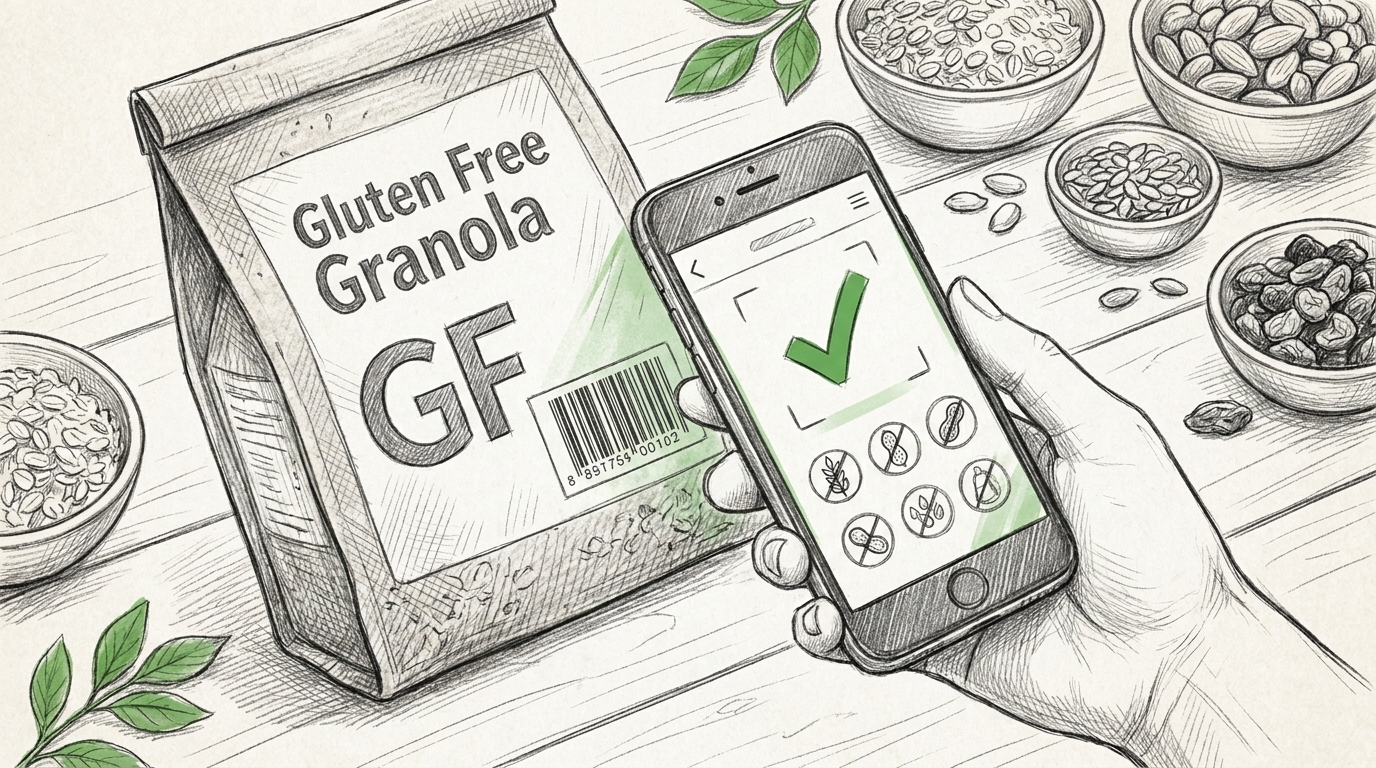
An allergen checker app lets you scan product barcodes to instantly identify gluten and other allergens. Simply open the app, scan the granola package barcode, and it will display whether the product contains gluten, traces, or cross-contamination warnings. These apps typically detect 13+ allergens and provide detailed ingredient analysis, making it easier to shop confidently for gluten-free products.
What are the best gluten free granola brands available for purchase?
Top gluten free granola brands include Purely Elizabeth, KIND Healthy Grains, Nature's Path, Bob's Red Mill, and Bakery on Main. These brands are certified gluten-free and widely available at grocery stores and online. When shopping, look for products with clear gluten-free certification labels and use barcode scanning apps to verify ingredients and check for potential allergen cross-contamination before purchasing.
Can gluten free granola contain hidden allergens or additives?
Yes, gluten free granola can contain hidden allergens like tree nuts, peanuts, soy, or dairy, as well as additives and preservatives. Some products may also contain traces of allergens due to shared manufacturing facilities. Using an allergen detection app that scans barcodes helps identify these hidden ingredients, additives, and cross-contamination risks, ensuring the product is safe for your specific dietary needs.
Is gluten free granola healthier than regular granola?
Gluten free granola isn't necessarily healthier than regular granola—it depends on ingredients and sugar content. Both can be high in calories, sugar, and fats. The primary benefit of gluten-free varieties is safety for those with celiac disease or gluten intolerance. Always check nutrition labels and ingredient lists using scanning apps to compare sugar levels, fiber content, and additives between different brands.
Where can I buy certified gluten free granola?
Certified gluten free granola is available at most major grocery stores, health food stores like Whole Foods and Sprouts, and online retailers including Amazon, Thrive Market, and brand websites. Look for products with official gluten-free certification from organizations like GFCO or NSF. Use mobile allergen checker apps while shopping in-store to scan barcodes and verify gluten-free status instantly.
How do I read labels to ensure granola is gluten free and safe?
Check for "gluten-free" certification logos, read the allergen statement for wheat/gluten warnings, and scan the ingredient list for barley, rye, malt, or wheat derivatives. Look for statements about shared facilities or equipment. The easiest method is using an allergen checker app that scans barcodes and automatically identifies gluten and 13+ other allergens, traces, additives, and preservatives in seconds.
What ingredients should I avoid when buying gluten free granola?
Avoid granola containing wheat, barley, rye, malt flavoring, wheat germ, or regular oats (unless certified gluten-free). Watch for hidden gluten in ingredients like natural flavors, modified food starch, or certain additives. Some products may contain methane sulfonic acid or other preservatives. Use barcode scanning technology through allergen apps to quickly identify problematic ingredients and ensure complete gluten-free compliance.
Understanding Gluten Free Granola: Your Complete Guide

Finding safe and nutritious breakfast options can be challenging when managing celiac disease or gluten sensitivities. Gluten free granola has emerged as a popular choice for those seeking a crunchy, satisfying morning meal without the risk of gluten contamination. Whether you're newly diagnosed with celiac disease or simply exploring healthier breakfast alternatives, understanding what makes granola truly gluten-free is essential for your dietary safety.
This comprehensive guide explores everything you need to know about gluten free granola, from identifying safe ingredients to avoiding cross-contamination. We'll also discuss how modern technology, like an allergy checker app, can simplify your shopping experience and help you make informed decisions about the products you consume.
What Makes Granola Gluten Free?
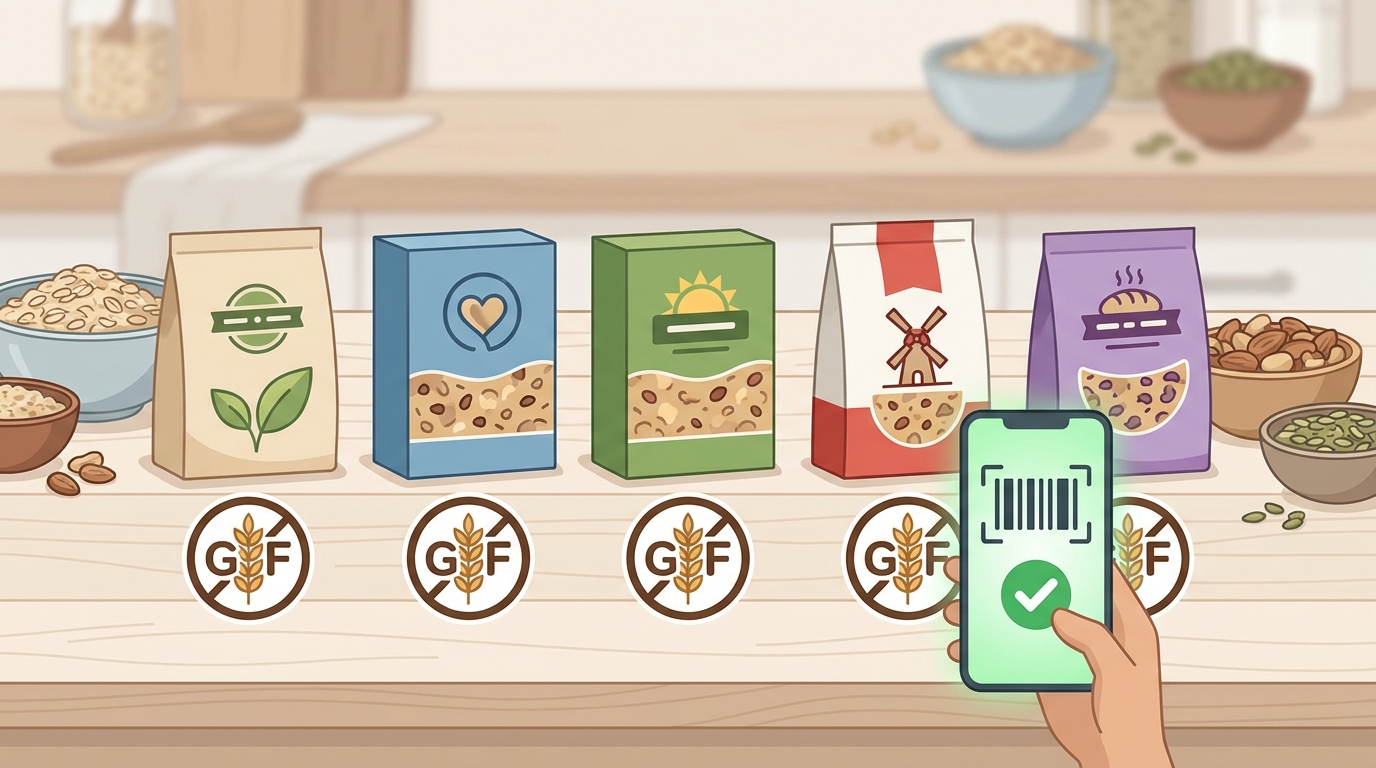
Traditional granola often contains oats, which can be problematic for those with gluten sensitivities. While oats themselves don't contain gluten, they're frequently contaminated during processing in facilities that also handle wheat, barley, and rye.
Key Ingredients in Gluten Free Granola
Safe gluten free granola typically contains these certified gluten-free ingredients:
- Certified gluten-free oats: Specifically grown and processed to avoid cross-contamination
- Nuts and seeds: Almonds, cashews, pumpkin seeds, and sunflower seeds provide protein and healthy fats
- Natural sweeteners: Honey, maple syrup, or coconut sugar for binding and flavor
- Dried fruits: Raisins, cranberries, or apricots add natural sweetness
- Healthy oils: Coconut oil or olive oil for texture and nutritional value
When shopping for gluten free granola, always verify that products carry proper certification. Similar to checking whether Rice Krispies are gluten free or investigating tortilla chips for gluten content, granola requires careful label reading and verification.
Hidden Gluten Sources in Granola Products
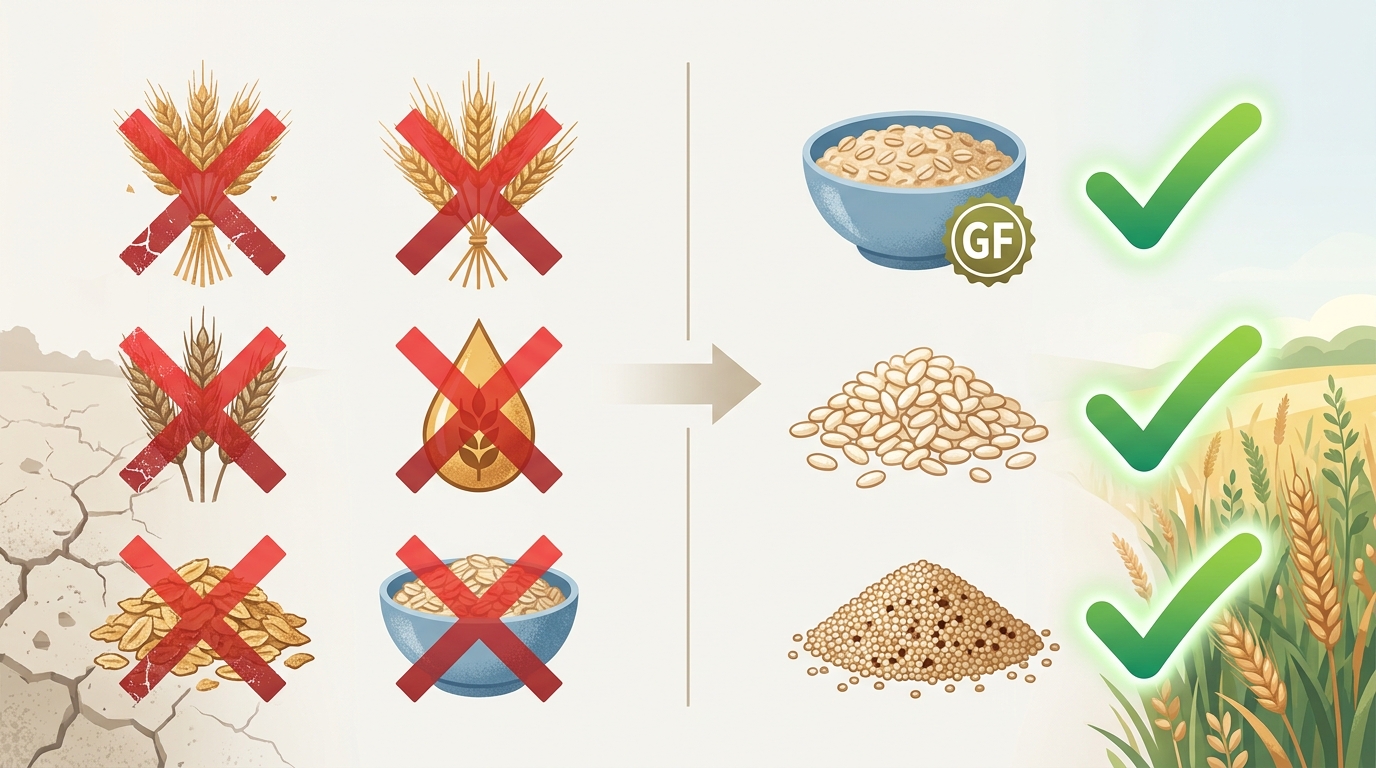
Understanding hidden gluten sources is crucial for maintaining a safe diet. Many granola products contain unexpected ingredients that may harbor gluten or trigger sensitivities.
Common Problematic Ingredients
| Ingredient | Gluten Risk | What to Look For |
|---|---|---|
| Regular Oats | High | Must be certified gluten-free |
| Malt Flavoring | High | Derived from barley, contains gluten |
| Modified Food Starch | Medium | May be wheat-based unless specified |
| Natural Flavors | Low-Medium | Verify source with manufacturer |
| Dried Fruit | Low | Check for dusting agents |
Some granola products also contain additives and preservatives that require scrutiny. While not necessarily gluten-containing, ingredients like hydroxy stearic acid (used as an emulsifier), methane sulfonic acid (a processing agent), and poly carboxylic acid (a stabilizer) may appear in processed foods. Always verify these ingredients with manufacturers if you have multiple sensitivities.
Nutritional Benefits of Gluten Free Granola
Quality gluten free granola offers substantial nutritional value when made with wholesome ingredients. Understanding its nutritional profile helps you make informed dietary choices.
Macronutrient Breakdown
A typical serving of gluten free granola (approximately 1/2 cup or 50g) contains:
- Calories: 200-250 calories
- Protein: 5-8 grams (from nuts, seeds, and oats)
- Carbohydrates: 30-35 grams (including 3-5 grams of fiber)
- Fat: 8-12 grams (primarily healthy unsaturated fats)
- Sugar: 8-15 grams (varies by brand and recipe)
For comparison, understanding nutritional content across different foods is important. Just as you might check basmati rice nutrition facts or review cottage cheese nutrition, knowing your granola's nutritional profile helps you plan balanced meals.
Micronutrients and Health Benefits
Gluten free granola provides essential vitamins and minerals including:
- Iron for oxygen transport and energy production
- Magnesium for muscle and nerve function
- Zinc for immune system support
- B vitamins for metabolism and cellular health
- Vitamin E from nuts and seeds for antioxidant protection
Choosing the Best Gluten Free Granola
Selecting high-quality gluten free granola requires attention to certifications, ingredients, and manufacturing practices. Not all products labeled "gluten-free" meet the same safety standards.
Certification Standards to Look For
| Certification | Standard | Reliability |
|---|---|---|
| GFCO (Gluten-Free Certification Organization) | <10 ppm gluten | Highest |
| NSF Gluten-Free | <10 ppm gluten | High |
| FDA Gluten-Free Label | <20 ppm gluten | Moderate-High |
| Celiac Support Association | <5 ppm gluten | Highest |
When comparing products, consider using an allergy checker app to scan barcodes and instantly verify allergen information. This technology can identify not only gluten but also traces of other allergens, additives, and preservatives that might concern you.
Reading Labels Effectively
Beyond certifications, examine ingredient lists carefully. Look for:
- Whole food ingredients you recognize
- Minimal added sugars (less than 10g per serving)
- Absence of artificial preservatives and colors
- Clear allergen statements
- Manufacturing facility information
Making Your Own Gluten Free Granola
Creating homemade gluten free granola gives you complete control over ingredients and ensures safety from cross-contamination. It's also more economical than purchasing premium brands.
Basic Gluten Free Granola Recipe
Here's a simple recipe to get you started:
- Dry ingredients: Combine 3 cups certified gluten-free oats, 1 cup mixed nuts (chopped), 1/2 cup seeds, 1/2 teaspoon salt, and 1 teaspoon cinnamon
- Wet ingredients: Mix 1/3 cup melted coconut oil, 1/3 cup honey or maple syrup, and 1 teaspoon vanilla extract
- Combine: Pour wet ingredients over dry and mix thoroughly until evenly coated
- Bake: Spread on a parchment-lined baking sheet and bake at 300°F (150°C) for 30-40 minutes, stirring every 10 minutes
- Cool and add fruits: Let cool completely, then mix in dried fruits
Flavor Variations
Customize your granola with these variations:
- Chocolate lover's: Add cocoa powder and dark chocolate chips after baking
- Tropical paradise: Include coconut flakes, macadamia nuts, and dried pineapple
- Protein-packed: Mix in hemp seeds, chia seeds, and additional nuts
- Berry bliss: Add freeze-dried berries and sliced almonds
Gluten Free Granola vs. Other Breakfast Options
Understanding how gluten free granola compares to other breakfast choices helps you diversify your morning meals while maintaining dietary safety.
Nutritional Comparison
| Breakfast Option | Calories (per serving) | Protein (g) | Fiber (g) | Gluten-Free Status |
|---|---|---|---|---|
| Gluten Free Granola | 220 | 6 | 4 | Yes (certified) |
| Gluten Free Grits | 150 | 3 | 2 | Yes (naturally) |
| Regular Cereal | 110 | 2 | 1 | Usually contains gluten |
| Cottage Cheese | 120 | 14 | 0 | Yes (naturally) |
Similar to researching whether grits are gluten free, it's important to verify the gluten-free status of all your breakfast staples. While some foods like cottage cheese are naturally gluten-free, others require certification or careful ingredient verification.
Pairing Gluten Free Granola
Maximize nutrition by pairing your granola with:
- Greek yogurt for added protein
- Fresh berries for antioxidants and vitamin C
- Almond or oat milk for plant-based calcium
- Chia seed pudding for omega-3 fatty acids
Cross-Contamination Concerns and Storage
Preventing cross-contamination is critical for those with celiac disease. Even certified gluten free granola can become contaminated through improper storage or handling.
Safe Storage Practices
Follow these guidelines to maintain your granola's gluten-free integrity:
- Store in airtight containers clearly labeled "gluten-free"
- Keep separate from gluten-containing foods in your pantry
- Use dedicated serving utensils that haven't contacted gluten
- Check expiration dates regularly (typically 6-12 months)
- Store in a cool, dry place away from direct sunlight
Restaurant and Dining Out Considerations
When ordering granola at restaurants or cafes:
- Ask about gluten-free certification and preparation areas
- Inquire about shared equipment with gluten-containing items
- Request to see original packaging when possible
- Be cautious of yogurt parfaits that may mix gluten-free and regular granola
Just as you might use a Chipotle nutrition calculator to plan safe meal options or check Chipotle nutrition info before ordering, always verify restaurant ingredients and preparation methods.
Gluten Free Granola for Special Diets
Many people following gluten-free diets have additional dietary restrictions or preferences. Fortunately, gluten free granola can accommodate various nutritional needs.
Additional Dietary Considerations
| Dietary Need | Granola Modifications | Ingredients to Avoid/Include |
|---|---|---|
| Dairy-Free | Use plant-based oils | Avoid milk powder; use coconut oil |
| Nut-Free | Replace with seeds | Use pumpkin, sunflower, and hemp seeds |
| Low-Sugar | Minimize sweeteners | Use stevia or monk fruit; add cinnamon |
| Paleo | Omit oats and grains | Use only nuts, seeds, and coconut |
| Vegan | Avoid honey | Use maple syrup or agave nectar |
For those managing multiple food sensitivities, finding products that meet all requirements can be challenging. Much like searching for gluten free cheese-its or gluten free wheat free beer options, you may need to explore specialty stores or make your own granola to ensure complete dietary compliance.
Managing Multiple Allergies
If you need to avoid multiple allergens beyond gluten:
- Use Nutrict's food allergy scanner to check products for all 13 major allergens
- Look for products certified for multiple allergen-free standards
- Consider single-ingredient additions to control your recipe completely
- Work with a registered dietitian to ensure nutritional adequacy
The Science Behind Gluten Sensitivity and Celiac Disease
Understanding why gluten free granola matters requires knowledge of how gluten affects sensitive individuals. This scientific context helps you appreciate the importance of strict gluten avoidance.
How Gluten Affects the Body
For people with celiac disease, consuming gluten triggers an autoimmune response that damages the small intestine's lining. Even trace amounts (as little as 20 parts per million) can cause:
- Intestinal inflammation and damage
- Nutrient malabsorption
- Digestive symptoms like bloating and diarrhea
- Long-term complications including osteoporosis and neurological issues
Non-celiac gluten sensitivity presents similar symptoms without the autoimmune component, but still requires gluten avoidance for symptom management.
Why Certified Gluten-Free Matters
The difference between "naturally gluten-free" and "certified gluten-free" is significant:
- Naturally gluten-free: Ingredients don't contain gluten but may be cross-contaminated
- Certified gluten-free: Tested to contain less than 10-20 ppm gluten with controlled manufacturing
Shopping Tips and Product Recommendations
Navigating the grocery store for safe gluten free granola becomes easier with a strategic approach and knowledge of reliable brands.
Where to Find Quality Gluten Free Granola
Shop at these locations for the best selection:
- Health food stores: Typically offer the widest certified gluten-free selection
- Mainstream grocery stores: Check dedicated gluten-free sections
- Online retailers: Access specialty brands and bulk purchasing options
- Farmers markets: Find local producers with custom gluten-free recipes
Using Technology to Shop Smarter
Modern technology simplifies gluten-free shopping significantly. An allergy checker app allows you to:
- Scan product barcodes instantly for allergen information
- Identify hidden gluten sources and cross-contamination risks
- Track safe products for future reference
- Discover new certified gluten-free options
- Check for additives and preservatives that may concern you
This technology is particularly valuable when traveling or shopping at unfamiliar stores, providing confidence in your purchasing decisions.
Cost Considerations and Budget-Friendly Options
Gluten free products often carry premium prices, but strategic shopping can help you enjoy quality granola without breaking your budget.
Price Comparison Strategies
| Purchase Method | Average Cost per lb | Pros | Cons |
|---|---|---|---|
| Store-bought premium brands | $8-12 | Convenient, certified safe | Most expensive |
| Store-bought budget brands | $5-7 | More affordable, still certified | May have fewer ingredients |
| Homemade | $3-5 | Most economical, customizable | Time investment required |
| Bulk purchasing online | $4-6 | Good value, variety | Large quantity commitment |
Budget-Friendly Shopping Tips
- Buy certified gluten-free oats in bulk and make your own granola
- Watch for sales and use coupons on certified brands
- Purchase store-brand gluten-free options when available
- Join loyalty programs at health food stores
- Buy nuts and seeds in bulk sections to reduce costs
Common Mistakes to Avoid
Even experienced gluten-free consumers can make errors when selecting and consuming granola. Awareness of these pitfalls helps you maintain dietary safety.
Top Mistakes and How to Prevent Them
- Assuming all granola is naturally gluten-free: Always verify certification and ingredient lists
- Ignoring serving sizes: Granola is calorie-dense; stick to recommended portions
- Overlooking sugar content: Some brands contain excessive added sugars
- Trusting "wheat-free" labels: This doesn't guarantee gluten-free (barley and rye still contain gluten)
- Not checking for cross-contamination warnings: "May contain" statements indicate risk
- Buying in bulk without testing: Try small quantities first to ensure tolerance
Similar to verifying whether products like gluten free wheat free beer are truly safe for celiac disease, granola requires the same careful scrutiny despite seeming naturally gluten-free.
Frequently Overlooked Considerations
Beyond basic gluten avoidance, several additional factors deserve attention when choosing gluten free granola.
Additive and Preservative Concerns
Some individuals with gluten sensitivity also react to certain food additives. While these don't contain gluten, they may cause sensitivities:
- Artificial colors and flavors
- Sulfites in dried fruits
- BHT and BHA preservatives
- Carrageenan (seaweed extract)
Using an app like Nutrict helps identify these additives alongside allergen information, providing comprehensive product transparency.
Environmental and Ethical Considerations
Many consumers prioritize sustainability alongside dietary safety:
- Look for organic certification to avoid pesticide residues
- Choose brands with sustainable sourcing practices
- Consider fair-trade certified ingredients
- Opt for minimal packaging or recyclable materials
Integrating Gluten Free Granola into Your Lifestyle
Beyond breakfast, gluten free granola offers versatility for various meals and snacks throughout your day.
Creative Ways to Use Gluten Free Granola
- Breakfast parfaits: Layer with yogurt and fresh fruit
- Smoothie topping: Add crunch and nutrition to blended drinks
- Trail mix base: Combine with additional nuts and dried fruit
- Baking ingredient: Use in muffins, cookies, or energy bars
- Salad topper: Add texture to green salads
- Dessert crumble: Sprinkle over baked fruit or ice cream
Just as you might explore various nutritious options like chicken salad nutrition info or bagel with cream cheese nutrition facts, understanding how to incorporate granola into diverse meals expands your dietary options.
Meal Planning with Gluten Free Granola
Incorporate granola strategically into your weekly meal plan:
- Monday: Yogurt parfait with berries and granola
- Wednesday: Smoothie bowl topped with granola clusters
- Friday: Granola bars made with your favorite recipe
- Weekend: Homemade granola baking session for the week ahead
Take Control of Your Gluten-Free Journey
Managing a gluten-free lifestyle requires vigilance, but it doesn't have to be overwhelming. Quality gluten free granola provides a nutritious, convenient option that fits seamlessly into your dietary needs.
Remember these key takeaways:
- Always verify gluten-free certification, not just "naturally gluten-free" claims
- Read ingredient labels carefully for hidden gluten sources
- Consider making your own granola for maximum control and cost savings
- Use technology to simplify allergen identification while shopping
- Store granola properly to prevent cross-contamination
Whether you're managing celiac disease, gluten sensitivity, or simply exploring healthier breakfast options, the right tools make all the difference. Visit Nutrict to discover how our food allergy scanner app can transform your shopping experience. Scan barcodes instantly to detect gluten and 12 other major allergens, traces, additives, and preservatives—giving you confidence in every purchase. Available on both iOS and Android, Nutrict puts comprehensive allergen information right at your fingertips, making gluten-free living simpler and safer.
Start your journey toward easier, more confident gluten-free shopping today. Download the Nutrict app and take control of your dietary safety with every scan.
Article created using IntentRank