Gluten Free Crescent Rolls: Easy Guide & Safe Brands
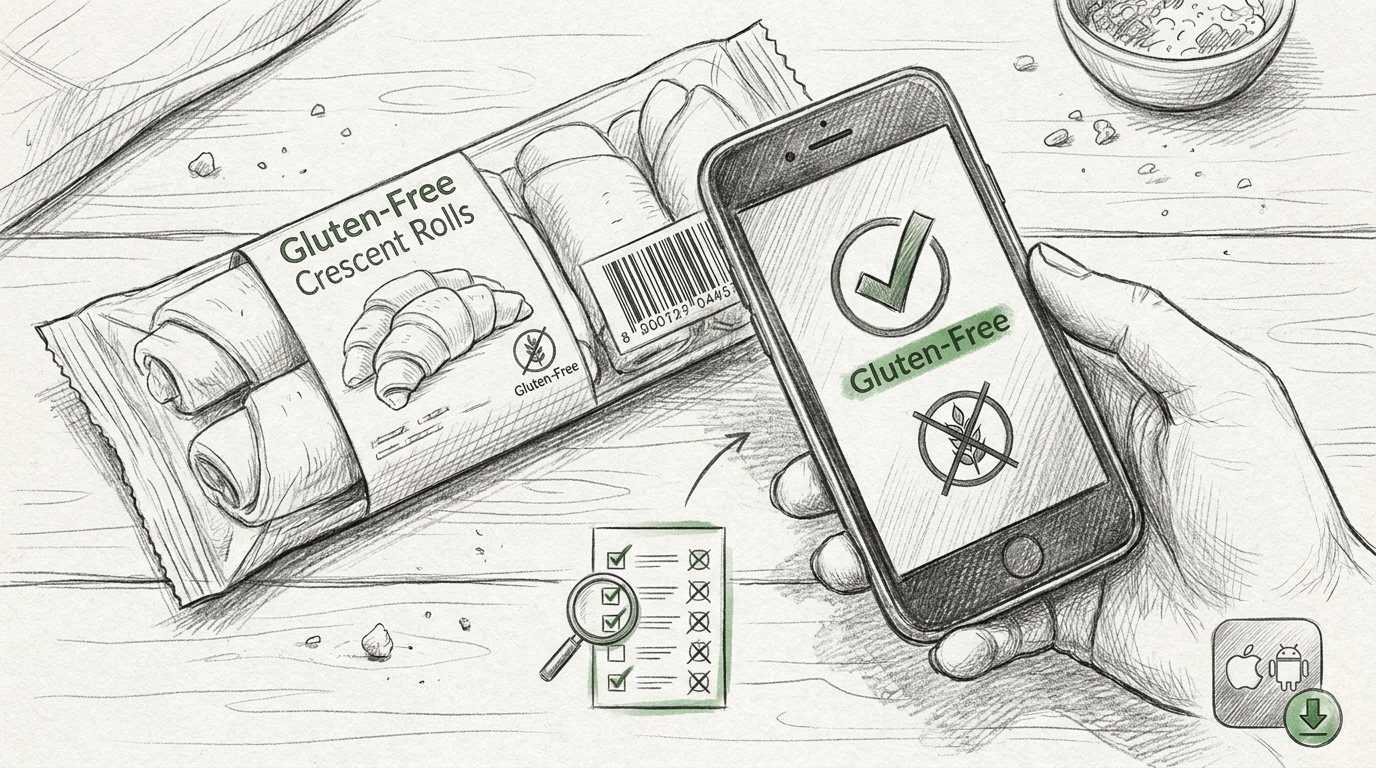
TL;DR: Gluten free crescent rolls are pre-made or homemade pastries made without wheat, barley, or rye, using alternative flours like rice, almond, or gluten-free blends. They're ideal for people with celiac disease or gluten sensitivity. When purchasing store-bought versions, always scan product labels or barcodes to verify they're certified gluten-free and check for cross-contamination warnings.
Frequently Asked Questions

What are gluten free crescent rolls made from?
Gluten free crescent rolls are typically made from alternative flours like rice flour, tapioca starch, potato starch, or almond flour instead of wheat flour. They often include xanthan gum or guar gum as binding agents to replicate the texture of traditional crescent rolls. Many recipes also incorporate butter, eggs, yeast, and sugar to achieve the flaky, buttery layers characteristic of classic crescent rolls.
Where can I buy gluten free crescent rolls?
Gluten free crescent rolls can be purchased at specialty gluten free bakeries, health food stores like Whole Foods and Sprouts, and major grocery chains in the frozen or specialty diet sections. Online retailers such as Amazon also carry various brands. Some bakeries offer fresh-baked options, while brands like Immaculate Baking Company and Pillsbury have introduced gluten-free refrigerated dough options in select markets.
How do you identify allergens in gluten free crescent rolls?
To identify allergens in gluten free crescent rolls, carefully read product labels for common allergens like dairy, eggs, soy, and nuts. Many gluten free products contain these ingredients. Using an allergen scanning app on iOS or Android devices allows you to scan product barcodes to quickly detect 14 different allergens, traces, additives, and preservatives, making it easier to avoid potential allergic reactions.
Are gluten free crescent rolls healthier than regular crescent rolls?
Gluten free crescent rolls aren't necessarily healthier than regular versions. While they're essential for people with celiac disease or gluten sensitivity, they often contain similar calories, fat, and sugar. Some gluten free versions may have higher fat or sugar content to improve texture and taste. They're a safe alternative for those avoiding gluten but should be consumed in moderation as part of a balanced diet.
Can you make homemade gluten free crescent rolls?
Yes, you can make homemade gluten free crescent rolls using gluten free flour blends, xanthan gum, butter, eggs, yeast, and milk. The process involves mixing the dough, allowing it to rise, rolling it into triangles, and baking until golden. Homemade versions let you control ingredients and avoid hidden allergens. Many recipes are available online with step-by-step instructions for achieving flaky, delicious results.
What allergens are commonly found in gluten free crescent rolls?
Common allergens in gluten free crescent rolls include dairy (butter, milk), eggs, soy (lecithin, soy flour), and tree nuts (almond flour). Some brands may process products in facilities that handle peanuts, fish, or shellfish, causing cross-contamination risks. Always check labels for allergen statements and use barcode scanning apps to identify all 14 major allergens, traces, additives, and preservatives before consuming.
How many calories are in gluten free crescent rolls?
Gluten free crescent rolls typically contain 100-150 calories per roll, depending on size and brand. Homemade versions may vary based on ingredients used. The calorie content comes primarily from flour alternatives, butter, and sugar. For accurate nutritional information, check product packaging or use nutrition calculators. If managing calorie intake, consider portion sizes and frequency of consumption as part of your overall dietary plan.
Do gluten free bakeries sell crescent rolls?
Yes, many gluten free bakeries sell crescent rolls either fresh-baked or frozen. These specialty bakeries focus exclusively on gluten-free products, reducing cross-contamination risks. They often offer various allergen-friendly options for customers with multiple dietary restrictions. To find gluten free bakeries near you, search online directories, check local health food stores, or use allergen detection apps that may include bakery recommendations and product information.
Understanding Gluten Free Crescent Rolls: Your Complete Guide

Finding delicious gluten free crescent rolls that match the flaky, buttery texture of traditional versions can be challenging for those with celiac disease or gluten sensitivities. Whether you're managing dietary restrictions for yourself or your family, understanding what makes a great gluten-free crescent roll is essential for enjoying satisfying meals without compromising your health.
Gluten free crescent rolls have evolved significantly in recent years, with improved recipes and commercial options that deliver on taste and texture. These versatile rolls work perfectly for breakfast, dinner sides, or as a base for creative recipes that accommodate various dietary needs.
For individuals navigating food allergies and intolerances, having reliable tools to identify safe products is crucial. Apps like allergy checker apps can help scan products for allergens and ensure your gluten-free choices are truly safe for your specific dietary requirements.
What Makes Crescent Rolls Gluten Free?

Traditional crescent rolls contain wheat flour, which is loaded with gluten proteins that give them their characteristic texture. Gluten free crescent rolls replace wheat flour with alternative flours and binders to recreate that flaky, tender texture.
Key Ingredients in Gluten Free Crescent Rolls
The foundation of successful gluten-free baking relies on carefully selected ingredients that work together to mimic gluten's structural properties:
- Rice flour: Provides a neutral base similar to all-purpose flour
- Tapioca starch: Adds chewiness and helps bind ingredients
- Potato starch: Creates lightness and improves texture
- Xanthan gum or guar gum: Replaces gluten's binding properties
- Almond flour: Adds moisture and nutritional value
- Coconut flour: Provides structure and fiber
Many gluten-free bakery products now use proprietary flour blends that combine these ingredients in specific ratios to achieve optimal results. Understanding these components helps you evaluate commercial products and make informed choices.
The Science Behind Gluten-Free Baking
Gluten provides elasticity and structure in traditional baking, trapping air bubbles that create the light, flaky layers in crescent rolls. Without gluten, alternative binders and techniques must compensate for these properties.
Xanthan gum and psyllium husk are common binding agents that create elasticity in gluten-free doughs. These ingredients allow the dough to stretch without tearing, essential for achieving those signature crescent roll layers.
Best Store-Bought Gluten Free Crescent Rolls

The market for gluten-free products has expanded dramatically, offering convenient options for busy families managing dietary restrictions. Several brands now produce ready-to-bake gluten free crescent rolls that deliver impressive results.
| Brand | Key Features | Additional Allergens | Availability |
|---|---|---|---|
| Immaculate Baking | Refrigerated dough, easy preparation | Contains dairy | Major grocery chains |
| Feel Good Foods | Frozen, pre-shaped rolls | May contain eggs | Natural food stores |
| Against the Grain | Cheese-based dough | Contains dairy, eggs | Specialty retailers |
| Schar | European-style, shelf-stable | Minimal allergens | Online and specialty stores |
What to Look for When Buying
When shopping for gluten free crescent rolls, checking labels carefully is essential. Many products labeled "gluten-free" may still contain other common allergens that could affect individuals with multiple sensitivities.
Consider these factors when selecting store-bought options:
- Certified gluten-free labeling (less than 20 ppm gluten)
- Cross-contamination warnings and manufacturing practices
- Additional allergens like dairy, eggs, nuts, or soy
- Preservatives and additives that may cause sensitivities
- Nutritional content and ingredient quality
Using an allergen scanning app can simplify this process by quickly identifying potential concerns in product ingredients and helping you make safe choices for your dietary needs.
Homemade Gluten Free Crescent Rolls Recipe
Making gluten free crescent rolls from scratch gives you complete control over ingredients and ensures they meet your specific dietary requirements. While it requires more effort than store-bought options, homemade rolls often taste superior and allow customization.
Essential Ingredients
A successful homemade recipe requires precise measurements and quality ingredients. Here's what you'll need for approximately 8 crescent rolls:
- 2 cups gluten-free all-purpose flour blend (with xanthan gum)
- 1 tablespoon sugar
- 2 teaspoons instant yeast
- 1 teaspoon salt
- 3/4 cup warm milk (or dairy-free alternative)
- 1/4 cup melted butter (or dairy-free substitute)
- 1 large egg
- 1 teaspoon apple cider vinegar
Step-by-Step Preparation
Follow these detailed instructions for best results:
- Activate the yeast: Combine warm milk, sugar, and yeast; let stand 5-10 minutes until foamy
- Mix dry ingredients: Whisk together flour blend, salt, and any additional xanthan gum if needed
- Combine wet ingredients: Add melted butter, egg, and vinegar to yeast mixture
- Form the dough: Gradually incorporate dry ingredients until a soft dough forms
- Rest period: Cover and let rise in a warm place for 30-45 minutes
- Shape rolls: Roll dough into a circle, cut into 8 triangles, and roll from wide end to point
- Final rise: Place on baking sheet, let rise another 20 minutes
- Bake: Cook at 375°F for 12-15 minutes until golden brown
Pro Tips for Perfect Results
Gluten-free dough behaves differently than traditional dough. These techniques help achieve the best texture and appearance:
- Use parchment paper or plastic wrap when rolling to prevent sticking
- Keep dough slightly warmer than room temperature for easier handling
- Don't over-knead; gluten-free dough requires gentle handling
- Brush with melted butter before baking for golden color and rich flavor
- Store in airtight containers to prevent drying out
Nutritional Considerations for Gluten Free Crescent Rolls
Understanding the nutritional profile of gluten free crescent rolls helps you make informed decisions about incorporating them into a balanced diet. These rolls differ nutritionally from traditional versions due to their alternative ingredients.
Calorie and Macronutrient Breakdown
A typical gluten-free crescent roll contains approximately 120-180 calories per serving, depending on size and ingredients used. The macronutrient distribution varies based on the flour blend and added fats.
| Nutrient | Amount | Notes |
|---|---|---|
| Calories | 120-180 | Varies by recipe and size |
| Total Carbohydrates | 18-25g | Higher than some breads with no carbs alternatives |
| Protein | 2-4g | Lower than wheat-based versions |
| Fat | 4-8g | Depends on butter/oil content |
| Fiber | 1-3g | Varies with flour blend used |
For those monitoring caloric intake similar to tracking chipotle calorie count or using a chipotle nutrition calculator, understanding these values helps maintain dietary goals while enjoying gluten-free options.
Comparing to Other Gluten-Free Options
When considering gluten-free foods snacks and meal components, crescent rolls offer moderate nutritional value. They're not as low-carb as some alternatives but provide satisfying texture and versatility.
Similar to checking chipotle nutrition info or taco bell nutrition info when dining out, reviewing nutritional labels on gluten-free bakery products ensures they align with your health goals.
Gluten Free Crescent Rolls for Special Diets
Many individuals following gluten-free diets have additional dietary restrictions that require careful consideration when selecting or preparing crescent rolls. Understanding how to adapt recipes for various needs ensures everyone can enjoy these versatile rolls.
Dairy-Free Adaptations
Traditional crescent rolls often contain butter and milk, but these can be easily substituted without sacrificing flavor or texture:
- Butter substitutes: Use coconut oil, vegan butter, or olive oil in equal amounts
- Milk alternatives: Almond milk, oat milk, or coconut milk work well in recipes
- Egg wash replacement: Brush with plant-based milk for golden color
Low-Carb and Keto-Friendly Options
For those seeking breads with no carbs or lower-carbohydrate alternatives, traditional gluten-free crescent rolls may not fit strict keto guidelines. However, modified recipes using almond flour and coconut flour as primary ingredients can reduce carbohydrate content significantly.
These adaptations typically replace rice-based flours with nut flours and increase fat content to maintain texture while reducing carbs to 5-8g per roll.
Managing Multiple Food Allergies
Individuals managing multiple food sensitivities need comprehensive allergen information. Just as you might check are Rice Krispies gluten free or are tortilla chips gluten free, verifying all ingredients in crescent rolls prevents adverse reactions.
Common allergens to watch for in gluten-free products include:
- Tree nuts (almond flour, cashew flour)
- Eggs (binding agent in many recipes)
- Dairy (butter, milk, whey)
- Soy (lecithin, soy flour)
- Corn (corn starch, corn flour)
Creative Uses for Gluten Free Crescent Rolls
Gluten free crescent rolls offer incredible versatility beyond simple dinner rolls. Their flaky texture and neutral flavor make them perfect for both sweet and savory applications that accommodate various dietary needs.
Savory Applications
Transform basic crescent rolls into impressive dishes that work for breakfast, lunch, or dinner:
- Breakfast wraps: Fill with scrambled eggs and vegetables for a portable morning meal
- Mini pizzas: Top with sauce, cheese, and toppings before baking
- Pigs in a blanket: Wrap around gluten-free sausages for party appetizers
- Chicken pot pie pockets: Encase chicken salad filling for handheld comfort food
- Cheese danishes: Fill with herbed cream cheese for elegant appetizers
Sweet Variations
Gluten free crescent rolls adapt beautifully to dessert applications with simple modifications:
- Cinnamon rolls with cream cheese frosting
- Chocolate-filled crescents dusted with powdered sugar
- Apple pie crescents with caramel drizzle
- Almond paste-filled pastries
- Berry-filled breakfast rolls
Meal Planning Integration
Incorporating gluten free crescent rolls into weekly meal planning provides variety while accommodating dietary restrictions. Similar to planning meals using chipotle nutrition info or texas roadhouse nutrition info for restaurant visits, understanding the nutritional content of homemade rolls helps balance overall dietary intake.
Pair crescent rolls with protein-rich main dishes and vegetable sides for complete, satisfying meals that meet nutritional needs without compromising on taste or texture.
Troubleshooting Common Issues
Even experienced bakers encounter challenges when working with gluten-free dough. Understanding common problems and their solutions ensures consistent success with gluten free crescent rolls.
Dough Too Sticky or Too Dry
Gluten-free flour blends absorb moisture differently than wheat flour, leading to inconsistent dough texture. If your dough is too sticky, add flour one tablespoon at a time until manageable. If too dry and crumbly, incorporate water or milk gradually.
Humidity and temperature significantly affect gluten-free dough consistency. Store flour in airtight containers and measure ingredients precisely for best results.
Rolls Don't Rise Properly
Insufficient rising often results from inactive yeast or incorrect temperature. Ensure your yeast is fresh and the liquid temperature is between 105-115°F. Too hot kills yeast; too cold prevents activation.
Gluten-free dough typically rises more slowly than traditional dough. Allow extra time and create a warm environment by placing the bowl in a turned-off oven with the light on.
Dense or Gummy Texture
Underbaking is the most common cause of gummy texture in gluten-free baked goods. Ensure rolls reach an internal temperature of 190-200°F and develop golden-brown color on the surface.
Using too much xanthan gum or overmixing the dough can also create dense, gummy results. Follow recipe measurements precisely and mix only until ingredients combine.
Crumbly or Dry Final Product
Overbaking or insufficient fat content leads to dry, crumbly rolls. Monitor baking time carefully and don't skimp on butter or oil in the recipe. Storing rolls properly in airtight containers prevents them from drying out after baking.
Gluten-Free Foods Snacks and Meal Pairing Ideas
Gluten free crescent rolls complement numerous dishes and work well alongside other gluten-free foods snacks for complete meals. Creating balanced, allergen-friendly menus requires understanding how different foods work together.
Breakfast Combinations
Start your day with satisfying gluten-free meals that include fresh-baked crescent rolls:
- Scrambled eggs with vegetables and a warm crescent roll
- Greek yogurt parfait with fruit (and yes, can dogs eat greek yogurt? In moderation, it's safe for pets too)
- Gluten-free breakfast sandwiches using crescent rolls as bread
- Fresh fruit salad with honey-butter crescent rolls
Lunch and Dinner Pairings
Crescent rolls enhance main courses and work as satisfying side dishes:
- Grilled chicken with roasted vegetables and crescent rolls
- Hearty soups served with warm, buttered rolls
- Salads with protein topped with crescent roll croutons
- Baked potato calories are similar to crescent rolls, making both good carbohydrate options for balanced meals
Snack Time Options
Transform leftover crescent rolls into quick, satisfying gluten-free foods snacks:
- Mini sandwich sliders using split crescent rolls
- Toasted rolls with nut butter and banana
- Cheese and crackers featuring crescent roll pieces
- Sweet cream cheese-filled roll-ups
When planning meals or snacks, consider nutritional balance similar to reviewing information from a gluten free bakery or checking details like bagel with cream cheese nutrition facts to ensure you're meeting dietary goals.
Shopping Guide for Gluten-Free Bakery Products
Navigating the gluten free bakery section requires knowledge of labeling, certifications, and quality indicators. Whether shopping at mainstream grocery stores or specialty retailers, understanding what to look for ensures you select safe, high-quality products.
Understanding Gluten-Free Certifications
Various organizations certify gluten-free products, each with specific standards:
| Certification | Standard | Symbol |
|---|---|---|
| GFCO (Gluten-Free Certification Organization) | Less than 10 ppm gluten | Circle with "GF" and wheat stalk with slash |
| NSF Gluten-Free | Less than 20 ppm gluten | NSF checkmark logo |
| FDA Gluten-Free Label | Less than 20 ppm gluten | Text statement only |
| Certified Gluten-Free (CSA) | Less than 5 ppm gluten | Shield with "Certified Gluten-Free" |
Reading Labels Effectively
Beyond gluten-free certification, labels reveal important information about processing, ingredients, and potential cross-contamination. Look for statements like "processed in a dedicated gluten-free facility" for maximum safety.
Ingredient lists require careful review, as gluten hides in unexpected places. Malt, modified food starch, and certain flavorings may contain gluten unless specifically labeled gluten-free.
Where to Shop
Multiple retail options offer gluten-free products with varying selections and prices:
- Mainstream grocery stores: Increasingly stocking gluten-free sections with major brands
- Natural food stores: Wider selection of specialty gluten-free bakery items
- Online retailers: Broadest selection, direct-to-consumer options
- Local gluten-free bakeries: Fresh, often superior quality products
- Farmers markets: Artisanal gluten-free baked goods
Cost Considerations and Budget-Friendly Tips
Gluten-free products typically cost more than conventional alternatives due to specialized ingredients and production processes. Understanding pricing and implementing cost-saving strategies makes gluten-free eating more affordable.
Price Comparison: Homemade vs. Store-Bought
Making gluten free crescent rolls from scratch generally costs less per serving than purchasing ready-made options, though it requires more time and effort:
- Store-bought: $5-8 per package (8 rolls) = $0.63-1.00 per roll
- Homemade: $8-12 in ingredients yields 16-24 rolls = $0.33-0.75 per roll
Money-Saving Strategies
Reduce costs while maintaining quality with these practical approaches:
- Buy gluten-free flour blends in bulk from wholesale retailers
- Make your own flour blends using individual ingredients
- Freeze homemade rolls for convenient, cost-effective options
- Watch for sales and use coupons on gluten-free products
- Compare unit prices across brands and package sizes
- Join loyalty programs at stores with gluten-free sections
Maximizing Value
Focus spending on high-quality staple ingredients that provide versatility across multiple recipes. A good gluten-free flour blend serves as the foundation for crescent rolls, gluten-free grits, and numerous other baked goods.
Storage and Shelf Life
Proper storage extends the freshness and quality of gluten free crescent rolls, whether homemade or store-bought. Gluten-free baked goods typically dry out faster than traditional versions due to their different composition.
Short-Term Storage
For consumption within 2-3 days, store rolls at room temperature in airtight containers or resealable bags. Keep them away from direct sunlight and heat sources that accelerate staling.
Refrigeration extends shelf life to 5-7 days but can make rolls drier. If refrigerating, warm rolls briefly in the oven before serving to restore softness.
Freezing for Long-Term Storage
Freezing preserves gluten free crescent rolls for up to 3 months with minimal quality loss:
- Cool baked rolls completely to room temperature
- Wrap individually in plastic wrap or aluminum foil
- Place wrapped rolls in freezer bags, removing excess air
- Label with date and contents
- Thaw at room temperature or warm directly from frozen in the oven
Refreshing Stale Rolls
Revive day-old rolls by wrapping them in damp paper towels and microwaving for 10-15 seconds, or warming in a 300°F oven for 5-7 minutes. This restores moisture and softness.
Health Benefits and Considerations
Choosing gluten free crescent rolls provides specific health benefits for individuals with celiac disease or gluten sensitivity, while also offering nutritional value when made with quality ingredients.
Benefits for Celiac Disease and Gluten Sensitivity
For those with celiac disease, consuming gluten triggers an autoimmune response that damages the small intestine. Strictly avoiding gluten through foods like gluten free crescent rolls is essential for managing this condition.
Individuals with non-celiac gluten sensitivity experience uncomfortable symptoms from gluten consumption without the intestinal damage. Gluten-free alternatives eliminate these symptoms while allowing enjoyment of favorite foods.
Nutritional Advantages
Many gluten-free flour blends incorporate nutrient-dense ingredients that provide health benefits:
- Almond flour: High in protein, healthy fats, and vitamin E
- Coconut flour: Rich in fiber and medium-chain triglycerides
- Brown rice flour: Contains B vitamins and minerals
- Quinoa flour: Complete protein source with all essential amino acids
Potential Drawbacks
Gluten-free products sometimes contain more sugar, fat, or additives to improve taste and texture. Reading labels carefully and choosing products with recognizable, whole-food ingredients ensures better nutritional quality.
Some gluten-free flours have higher glycemic indexes than wheat flour, potentially affecting blood sugar levels. Balancing gluten-free carbohydrates with protein, healthy fats, and fiber helps moderate this impact.
Dining Out and Travel Tips
Managing gluten-free dietary needs extends beyond home cooking. Knowing how to navigate restaurants and travel situations ensures you can enjoy meals safely while away from your kitchen.
Restaurant Strategies
When dining out, communication with restaurant staff is crucial for avoiding gluten exposure:
- Call ahead to inquire about gluten-free options and preparation practices
- Ask about dedicated gluten-free preparation areas to prevent cross-contamination
- Request ingredient lists for items that seem gluten-free
- Explain the severity of your dietary needs clearly to servers and managers
- Use restaurant nutrition resources, similar to checking taco bell nutrition info or texas roadhouse nutrition info
Travel Preparation
Traveling with dietary restrictions requires advance planning to ensure access to safe foods:
- Pack gluten-free snacks including homemade crescent rolls for emergencies
- Research restaurants and grocery stores at your destination
- Bring translation cards explaining gluten-free needs in local languages
- Book accommodations with kitchen facilities when possible
- Use allergen scanning apps to verify product safety while shopping abroad
Social Situations
Attending gatherings where food is served requires tactful communication about dietary needs:
- Inform hosts about restrictions when accepting invitations
- Offer to bring gluten-free dishes to share
- Educate friends and family about cross-contamination concerns
- Have backup snacks available if safe options are limited
The Future of Gluten-Free Baking
Innovation in gluten-free baking continues advancing, with new ingredients, techniques, and products emerging regularly. Understanding these trends helps you anticipate improvements in gluten free crescent rolls and related products.
Emerging Ingredients
Researchers and food scientists continually discover and refine ingredients that improve gluten-free baking:
- Cassava flour: Grain-free option with neutral flavor and excellent binding properties
- Tiger nut flour: Allergen-friendly, nutrient-dense alternative
- Cricket flour: High-protein, sustainable option gaining acceptance
- Novel starches: Improved binding agents that better mimic gluten
Technology and Innovation
Food technology advances create better textures and flavors in gluten-free products. Enzyme treatments, fermentation techniques, and precision blending methods produce results increasingly indistinguishable from traditional baked goods.
3D food printing and automated baking systems may soon enable customized gluten-free products tailored to individual nutritional needs and taste preferences.
Market Growth and Accessibility
The gluten-free market continues expanding, with projections showing sustained growth through 2030. This expansion drives competition, improving quality while reducing prices for consumers.
Mainstream acceptance of gluten-free diets increases availability in restaurants, schools, and institutions, making it easier for individuals with celiac disease and gluten sensitivity to navigate daily life.
Conclusion: Embracing Gluten-Free Living
Gluten free crescent rolls represent just one aspect of successfully managing a gluten-free lifestyle. Whether you're dealing with celiac disease, gluten sensitivity, or supporting a family member with dietary restrictions, understanding ingredients, preparation techniques, and product selection empowers you to make informed choices.
The journey to finding delicious gluten-free alternatives doesn't have to be overwhelming. With improved commercial options, reliable homemade recipes, and growing awareness of gluten-free needs, enjoying satisfying meals has never been more accessible.
Quality gluten-free baking requires attention to detail, from selecting the right flour blends to mastering preparation techniques. The investment in learning these skills pays dividends in health, satisfaction, and culinary enjoyment.
Remember that managing food allergies and dietary restrictions extends beyond just avoiding gluten. Comprehensive allergen awareness ensures complete safety and peace of mind. Visit Allerwise to discover how our food allergy scanner app helps you easily identify allergens in products by scanning barcodes to detect 14 different allergens, traces, additives, and preservatives. Available on iOS and Android, Allerwise simplifies allergen management so you can focus on enjoying delicious, safe foods like homemade gluten free crescent rolls.
Whether you're baking from scratch or selecting store-bought options, the growing variety of gluten-free products means you never have to sacrifice taste or texture. Embrace the possibilities, experiment with recipes, and enjoy the confidence that comes from taking control of your dietary needs.
Article created using IntentRank