Gluten Free Cheese-Its: Safe Brands & Allergen Scanner Guide
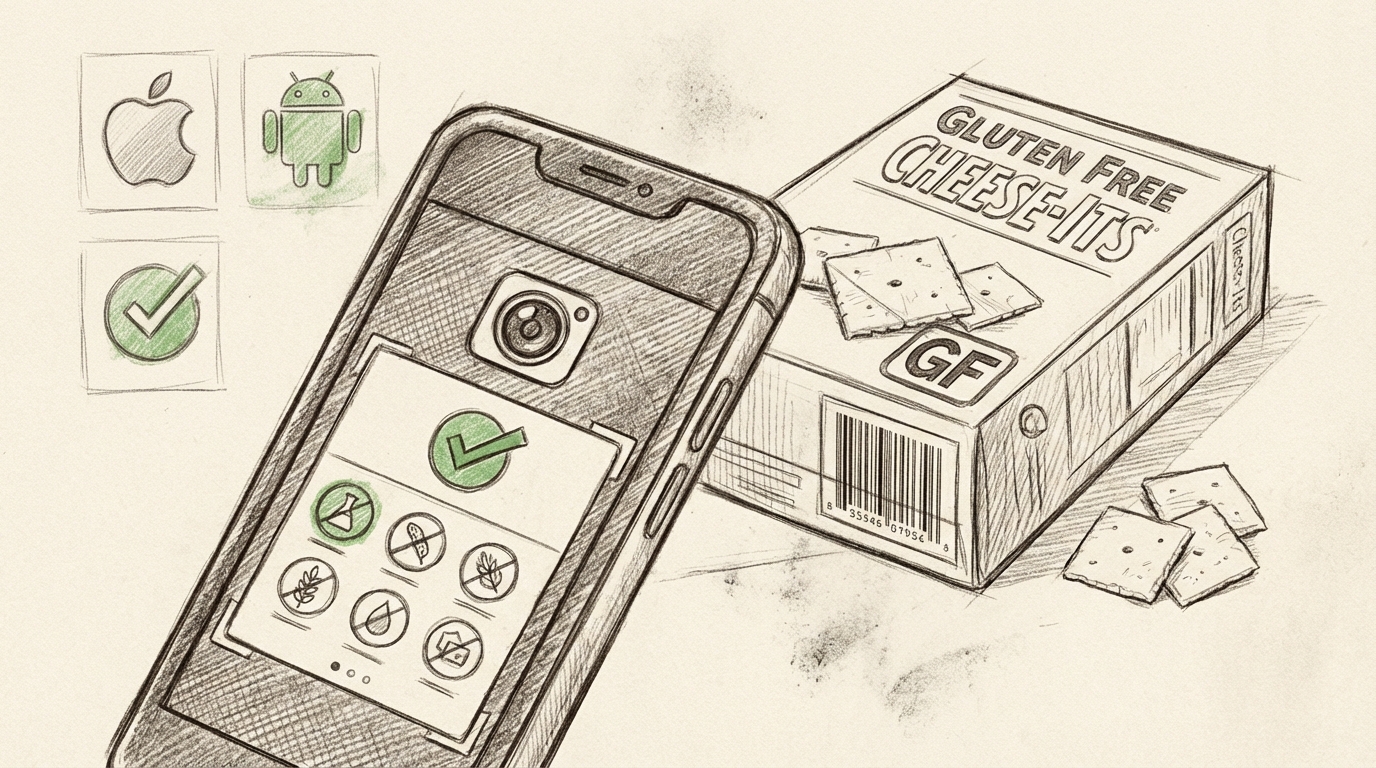
TL;DR: Gluten free cheese-its are available from several brands including Annie's Gluten Free Cheddar Bunnies, Simple Mills Almond Flour Crackers, and Schar Cheese Bites. To verify allergen safety and detect gluten traces, scan product barcodes using allergen detection apps available on iOS and Android that identify 13 different allergens, traces, additives, and preservatives in real-time.
Frequently Asked Questions

Are there gluten free Cheez-Its available on the market?
Currently, Cheez-Its are not certified gluten-free as they contain wheat flour. However, several brands offer gluten-free cheese cracker alternatives that taste similar, including Simple Mills, Schar, and Annie's Homegrown. To verify if a product is truly gluten-free, use an allergen checker app to scan barcodes and detect gluten, wheat, and other allergens before purchasing.
How can I find gluten free alternatives to Cheez-Its using an allergen checker app?
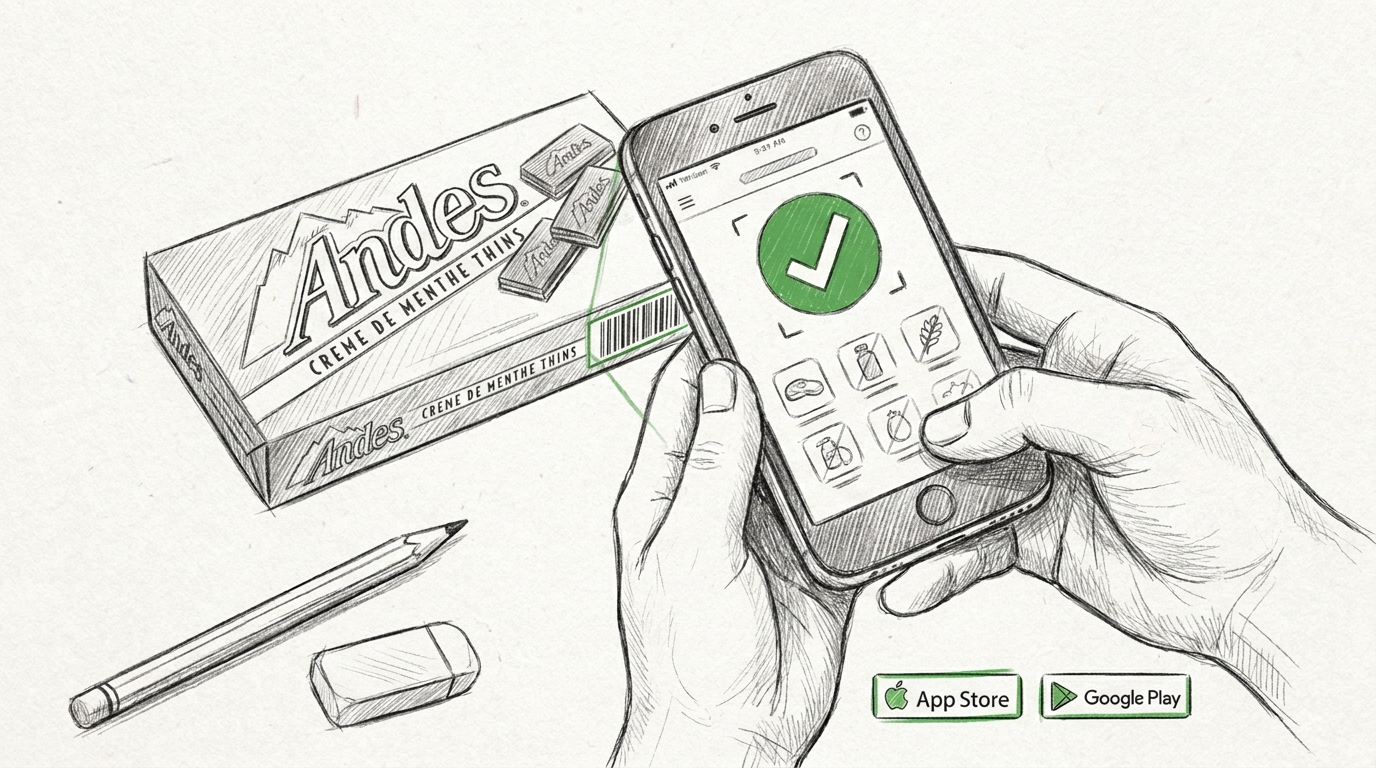
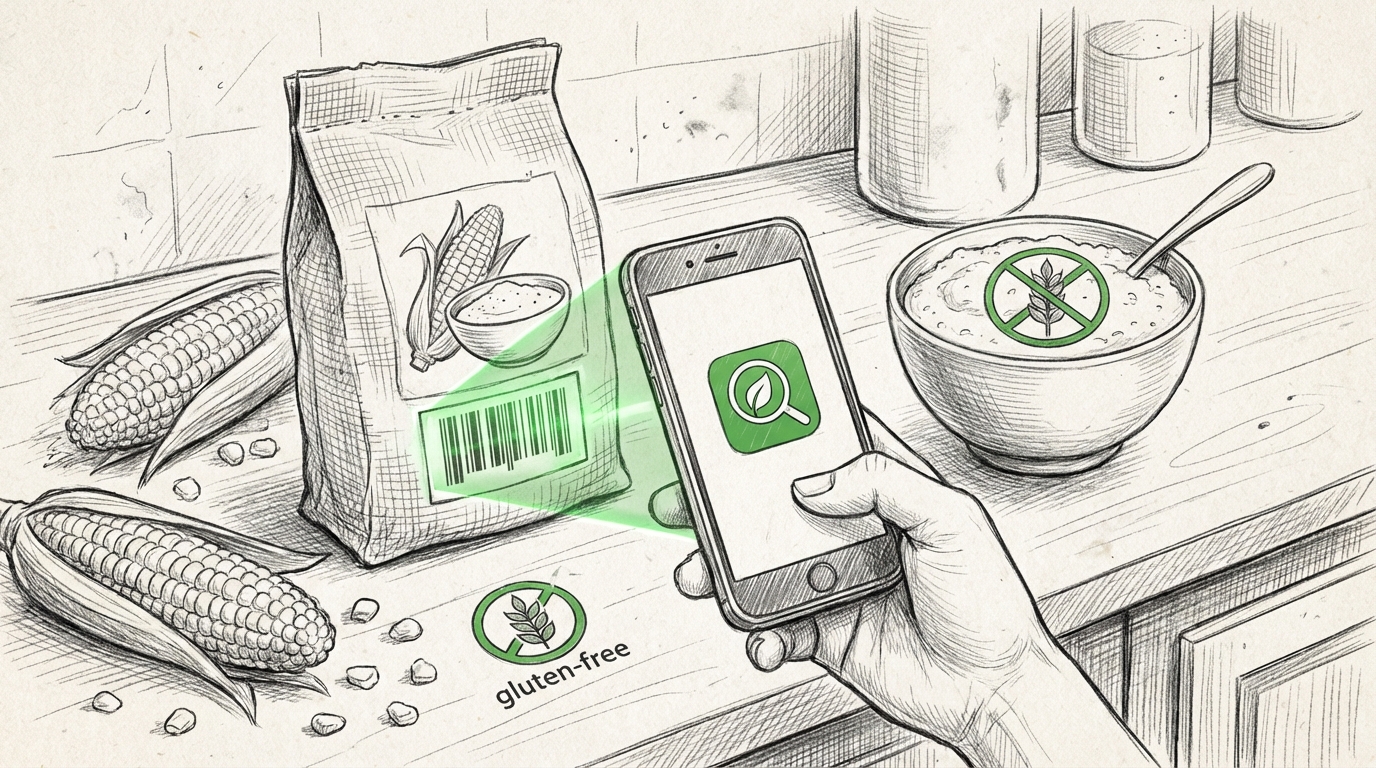
Allergen checker apps allow you to scan product barcodes to instantly identify gluten and wheat content. Simply open the app, scan the barcode of cheese crackers, and it will detect all 13 major allergens, including gluten traces, additives, and preservatives. This makes shopping for gluten-free snacks faster and safer, helping you find suitable Cheez-It alternatives without reading lengthy ingredient labels.
What ingredients should I avoid when looking for gluten free cheese crackers?
When searching for gluten-free cheese crackers, avoid products containing wheat flour, barley, rye, malt, and wheat starch. Also check for additives like hydroxy stearic acid and poly carboxylic acid, which may be derived from gluten sources. Watch for cross-contamination warnings and traces of wheat. An allergen checker app can quickly scan products to identify these ingredients and ensure the crackers are truly gluten-free.
Can I use a Chipotle nutrition calculator to check for gluten in restaurant meals?
Yes, the Chipotle nutrition calculator and nutrition info tool allows you to check ingredients and allergens in menu items. While it provides allergen information, using a dedicated allergen checker app offers more comprehensive scanning capabilities across multiple restaurants that are gluten-free friendly. These apps can help you verify ingredients and cross-contamination risks when dining out or shopping for gluten-free snacks like cheese crackers.
What are the best gluten free wheat free beer options to pair with cheese crackers?
Popular gluten-free wheat-free beer brands include Omission, Ground Breaker, Glutenberg, and New Planet. These beers are made from alternative grains like sorghum, rice, or millet. To ensure your beer is truly gluten-free, use an allergen checker app to scan the product barcode. This verifies the absence of gluten, wheat, and traces of allergens, making it safe to pair with your gluten-free cheese cracker alternatives.
How do allergen checker apps detect gluten and other allergens in snack foods?
Allergen checker apps work by scanning product barcodes and accessing comprehensive ingredient databases. They detect 13 major allergens including gluten, wheat, dairy, and soy, plus traces, additives like methane sulfonic acid, and preservatives. Available on iOS and Android, these apps provide instant allergen alerts, making it easy to identify safe gluten-free snacks like cheese crackers while shopping or comparing products.
Which restaurants that are gluten free offer safe snack options similar to Cheez-Its?
Many restaurants that are gluten-free friendly offer cheese-based appetizers and snacks. Chains like Chipotle provide detailed nutrition info through their nutrition calculator, helping you identify safe options. However, for packaged gluten-free cheese crackers at restaurants or stores, an allergen checker app is more reliable. It scans barcodes to verify products are free from gluten, wheat, and cross-contamination risks.
What additives like hydroxy stearic acid should gluten-sensitive people watch for in cheese crackers?
People with gluten sensitivity should monitor additives including hydroxy stearic acid, poly carboxylic acid, and methane sulfonic acid, which may be derived from wheat sources or cause sensitivities. Modified food starch and maltodextrin can also contain gluten traces. An allergen checker app scans product barcodes to identify these additives and preservatives, ensuring your gluten-free cheese cracker alternatives are completely safe.
Understanding Gluten Free Cheese-Its: A Comprehensive Guide for Allergy-Conscious Consumers

For millions of people managing celiac disease or gluten sensitivities, finding safe snack alternatives is a daily challenge. The question "Are there gluten free cheese-its?" comes up frequently among those seeking convenient, crunchy snacks without the wheat-based ingredients found in traditional Cheez-It crackers. While the original Cheez-It crackers contain wheat flour and are not safe for those avoiding gluten, the market has responded with numerous alternatives that deliver similar taste and texture.
Navigating the world of gluten-free snacking requires more than just reading labels—it demands understanding cross-contamination risks, hidden ingredients, and reliable alternatives. This comprehensive guide explores everything you need to know about gluten free cheese-its, from identifying safe products to understanding the science behind allergen-free manufacturing.
The Challenge with Traditional Cheez-It Crackers

Traditional Cheez-It crackers are beloved for their cheesy flavor and satisfying crunch, but they pose significant risks for those with gluten sensitivities. The primary ingredient in standard Cheez-Its is enriched wheat flour, making them completely unsuitable for anyone following a gluten-free diet.
Why Original Cheez-Its Contain Gluten
The manufacturing process for traditional cheese crackers relies heavily on wheat-based ingredients for several reasons:
- Wheat flour provides the structural foundation that creates the signature crispy texture
- Gluten proteins help bind ingredients together during the baking process
- The elastic properties of gluten allow for the characteristic square shape and perforations
- Wheat-based formulations are cost-effective for mass production
Beyond the obvious wheat flour, traditional Cheez-Its may also contain other problematic ingredients. An allergy checker app can help identify hidden allergens in packaged foods, scanning barcodes to detect not just gluten but also traces of other allergens that might be present due to manufacturing processes.
Best Gluten Free Cheese-Its Alternatives Available Today
The good news for gluten-sensitive snackers is that numerous brands have developed excellent alternatives. These products replicate the cheesy, crunchy experience without using wheat or gluten-containing ingredients.
Top Commercial Brands for Gluten-Free Cheese Crackers
| Brand | Primary Flour Base | Certifications | Texture Rating |
|---|---|---|---|
| Simple Mills | Almond flour | Gluten-free, Non-GMO | Excellent |
| Schar | Corn and rice flour | Certified gluten-free | Very Good |
| Glutino | Rice flour blend | Certified gluten-free | Good |
| Mary's Gone Crackers | Brown rice and quinoa | Organic, gluten-free | Very Good |
When shopping for alternatives, it's essential to check labels carefully. Many products marketed as healthier options may still contain unexpected ingredients or be manufactured in facilities that process gluten-containing foods.
Understanding Ingredient Alternatives in Gluten-Free Formulations
Manufacturers use various approaches to replicate the texture and binding properties that gluten typically provides. Common ingredients in gluten-free cheese crackers include:
- Rice flour: Provides a neutral base with a light, crispy texture
- Almond flour: Adds nutritional value and creates a richer, more substantial cracker
- Tapioca starch: Improves texture and helps bind ingredients
- Potato starch: Contributes to crispiness and structure
- Xanthan gum: Replaces gluten's binding properties
Some formulations also incorporate poly carboxylic acid or hydroxy stearic acid as processing aids or emulsifiers, though these are more commonly found in industrial baking applications. These additives help maintain texture and extend shelf life in commercial products.
Finding Safe Snacks Beyond Cheese Crackers
For those managing multiple food allergies or sensitivities, the search extends beyond just gluten-free options. Many people need products that are also dairy-free, nut-free, or free from other common allergens.
Comprehensive Allergen-Free Snacking Options
The gluten free dairy free snacks category has expanded significantly in recent years. These products cater to individuals managing multiple dietary restrictions simultaneously, offering safe alternatives without compromising on taste or convenience.
When searching for truly safe snack options, consider these categories:
- Vegetable-based crackers: Made from ingredients like sweet potato, beet, or kale
- Seed crackers: Featuring sunflower, pumpkin, or flax seeds as primary ingredients
- Legume-based options: Utilizing chickpea or lentil flour for protein-rich alternatives
- Grain-free varieties: Using only nuts, seeds, and vegetables
Using a food allergy app can streamline the process of finding safe products. These applications allow users to scan barcodes and instantly identify whether a product contains any of their specific allergens, including gluten, dairy, nuts, soy, and other common triggers.
Dining Out: Finding Gluten-Free Options at Popular Restaurants
While finding packaged gluten-free cheese crackers is one challenge, navigating restaurant menus presents another set of considerations for those with gluten sensitivities. Many restaurants that are gluten free have adapted their menus to accommodate dietary restrictions.
Fast-Casual Chains with Gluten-Free Transparency
Some restaurant chains have made significant strides in providing allergen information. For instance, the chipotle nutrition calculator and chipotle nutrition info tools allow customers to build custom meals while tracking allergens and nutritional content. This transparency helps diners make informed choices about their meals.
When dining out with gluten sensitivities, consider these strategies:
- Research restaurant allergen menus online before visiting
- Ask about cross-contamination protocols in the kitchen
- Inquire whether dedicated gluten-free preparation areas exist
- Request that food be prepared with clean utensils and surfaces
- Communicate clearly about the severity of your allergy or sensitivity
Beverage Considerations for Gluten-Free Diets
Beyond food, those avoiding gluten must also consider their beverage choices. Traditional beer is made from barley, wheat, or rye—all gluten-containing grains. However, gluten free wheat free beer options have become increasingly available and sophisticated.
These alternatives are typically made from:
- Sorghum as a primary grain substitute
- Rice or millet for lighter beer styles
- Buckwheat (despite its name, it's gluten-free)
- Quinoa for unique flavor profiles
Some breweries also produce beer from traditional grains but use enzymes to break down gluten proteins to below detectable levels, though these may not be suitable for those with celiac disease.
Understanding Food Additives in Gluten-Free Products
When examining ingredient labels on gluten-free alternatives, you may encounter unfamiliar chemical compounds. Understanding these additives helps you make informed decisions about what you consume.
Common Additives in Processed Foods
Several chemical compounds appear in both conventional and gluten-free processed foods:
| Additive | Function | Safety Profile |
|---|---|---|
| Methane sulfonic acid | pH regulator, processing aid | Generally recognized as safe in regulated amounts |
| Hydroxy stearic acid | Emulsifier, stabilizer | Approved for food use, helps maintain texture |
| Poly carboxylic acid | Chelating agent, preservative | Used in minimal quantities for shelf stability |
| Xanthan gum | Thickener, binder | Well-tolerated by most people |
While these additives are approved for food use, some individuals prefer to avoid them. Many artisanal or "clean label" brands minimize or eliminate such ingredients, focusing instead on whole food components.
Reading Labels Effectively for Gluten-Free Assurance
Understanding how to read food labels is crucial for anyone managing gluten sensitivities. The FDA requires that wheat be clearly labeled as an allergen, but gluten can hide in unexpected places.
Key Label Terms to Understand
When shopping for gluten-free products, familiarize yourself with these important distinctions:
- "Gluten-Free" certification: Products must contain less than 20 parts per million (ppm) of gluten
- "Made in a facility that processes wheat": Indicates potential cross-contamination risk
- "May contain traces of wheat": Suggests shared equipment or production lines
- "Wheat-free" does NOT mean gluten-free: Barley and rye also contain gluten
Hidden sources of gluten can include malt flavoring, modified food starch (if not specified as corn), hydrolyzed vegetable protein, and some natural flavors. An allergy checker app can help identify these hidden ingredients by scanning product barcodes and cross-referencing comprehensive allergen databases.
Cross-Contamination Concerns
Even products made with gluten-free ingredients can become contaminated during manufacturing. This is particularly concerning for individuals with celiac disease, where even trace amounts of gluten can trigger immune responses.
Look for these indicators of safer manufacturing practices:
- Dedicated gluten-free facility certification
- Third-party testing and verification
- Clear allergen statements on packaging
- Transparent manufacturing process information
Nutritional Considerations for Gluten-Free Snacks
While finding gluten-free alternatives is important, it's equally crucial to consider the overall nutritional value of these products. Not all gluten-free snacks are created equal from a health perspective.
Comparing Nutritional Profiles
Gluten-free cheese crackers vary significantly in their nutritional composition. Some are made with nutrient-dense ingredients like almond flour and provide protein and healthy fats, while others rely heavily on refined starches and offer minimal nutritional benefit.
When evaluating gluten-free snacks, consider:
- Protein content: Look for at least 2-3 grams per serving
- Fiber: Aim for products with 2+ grams of fiber
- Added sugars: Cheese crackers shouldn't contain excessive sugar
- Sodium levels: Many crackers are high in salt; compare options
- Ingredient quality: Whole food ingredients offer more nutrition than refined alternatives
For more detailed nutritional information on specific products, resources like the English Muffin nutrition guide demonstrate how comprehensive nutritional analysis can help consumers make informed choices about their food selections.
Making Your Own Gluten-Free Cheese Crackers at Home
For those who want complete control over ingredients and manufacturing processes, making homemade gluten-free cheese crackers is surprisingly straightforward. Homemade versions allow you to avoid additives and customize flavors to your preferences.
Basic Gluten-Free Cheese Cracker Recipe
A simple homemade version requires just a few key ingredients:
- 2 cups gluten-free flour blend (rice flour, almond flour, or a commercial mix)
- 1 cup shredded sharp cheddar cheese (ensure it's gluten-free)
- 4 tablespoons cold butter or dairy-free alternative
- 1/2 teaspoon salt
- 1/4 teaspoon xanthan gum (if not included in flour blend)
- 2-4 tablespoons cold water
The process involves combining dry ingredients, cutting in the butter, mixing in cheese, adding water to form dough, rolling thin, cutting into squares, and baking until crispy. This approach eliminates concerns about cross-contamination and allows for complete ingredient transparency.
Tips for Perfect Homemade Crackers
- Roll the dough very thin: Thinner crackers become crispier
- Use parchment paper: Prevents sticking and ensures even baking
- Pierce with a fork: Creates the characteristic holes and prevents puffing
- Watch closely while baking: Gluten-free crackers can burn quickly
- Cool completely: Crackers continue crisping as they cool
Technology Tools for Managing Food Allergies
Modern technology has revolutionized how people with food allergies navigate grocery shopping and meal planning. Digital tools provide instant access to allergen information that would otherwise require extensive research.
How Allergen Detection Apps Work
Advanced food allergy apps use comprehensive databases to identify allergens in packaged products. Users simply scan a barcode, and the app instantly displays whether the product contains any of their specified allergens.
These applications typically detect:
- The 13 most common allergens including gluten, dairy, nuts, soy, and eggs
- Trace amounts and cross-contamination warnings
- Additives and preservatives that may cause sensitivities
- Alternative product suggestions that are safe for your dietary needs
The convenience of instant barcode scanning eliminates the need to decipher complex ingredient lists in store aisles. This technology is particularly valuable for parents managing children's allergies or individuals dealing with multiple food sensitivities.
The Future of Gluten-Free Snack Innovation
The gluten-free market continues to evolve rapidly, with manufacturers developing increasingly sophisticated products that rival their conventional counterparts in taste and texture. Innovation in this space is driven by both consumer demand and advances in food science.
Emerging Trends in Gluten-Free Products
Several exciting developments are shaping the future of gluten-free snacking:
- Ancient grain formulations: Using quinoa, amaranth, and teff for enhanced nutrition
- Fermented ingredients: Improving digestibility and adding probiotic benefits
- Protein-enriched options: Adding plant-based proteins for satiety
- Clean label movement: Minimizing additives and using recognizable ingredients
- Sustainable sourcing: Emphasizing environmentally responsible ingredient procurement
As manufacturing techniques improve, the gap between gluten-free alternatives and traditional products continues to narrow. Many consumers now choose gluten-free options not out of necessity but because they genuinely prefer the taste and quality.
Building a Gluten-Free Pantry for Success
Successfully managing a gluten-free lifestyle requires thoughtful pantry organization and strategic shopping. Having the right staples on hand makes it easier to prepare safe, satisfying meals and snacks.
Essential Gluten-Free Pantry Staples
| Category | Essential Items | Storage Tips |
|---|---|---|
| Flours | Rice flour, almond flour, gluten-free all-purpose blend | Store in airtight containers; refrigerate nut flours |
| Snacks | Gluten-free crackers, rice cakes, popcorn | Check expiration dates; reseal packages tightly |
| Baking Ingredients | Xanthan gum, tapioca starch, baking powder (gluten-free) | Label clearly; keep in cool, dry place |
| Grains | Quinoa, rice, certified gluten-free oats | Store in sealed containers to prevent pest contamination |
When stocking your pantry, prioritize versatile ingredients that can be used in multiple applications. This approach ensures you always have options for creating quick snacks or meals without relying solely on packaged products.
Addressing Common Misconceptions About Gluten-Free Diets
Despite increased awareness, several misconceptions persist about gluten-free eating. Understanding the facts helps both those who must avoid gluten and those who choose to do so make informed decisions.
Myth vs. Reality
Myth: Gluten-free automatically means healthier.
Reality: Many gluten-free products are highly processed and contain more sugar, fat, or calories than their conventional counterparts. Health depends on overall diet quality, not just gluten content.
Myth: A little gluten won't hurt if you're just sensitive, not celiac.
Reality: While non-celiac gluten sensitivity may have different mechanisms, continued exposure can perpetuate inflammation and symptoms. Strict avoidance is often necessary for symptom resolution.
Myth: All wheat-free products are gluten-free.
Reality: Barley, rye, and contaminated oats also contain gluten. "Wheat-free" does not guarantee gluten-free status.
Resources like Is Ezekiel Bread Gluten Free help clarify these distinctions by examining specific products and their ingredients in detail.
Conclusion: Navigating Gluten-Free Living with Confidence
Finding suitable gluten free cheese-its alternatives is just one aspect of successfully managing a gluten-free lifestyle. While traditional Cheez-It crackers aren't safe for those avoiding gluten, numerous excellent alternatives exist that deliver similar satisfaction without compromising health or safety.
The key to success lies in combining multiple strategies: reading labels carefully, using technology tools to verify product safety, building a well-stocked pantry, and staying informed about new products and manufacturing practices. Whether you're managing celiac disease, gluten sensitivity, or supporting a family member with dietary restrictions, the resources and options available today make gluten-free living more convenient than ever.
Remember that managing food allergies and sensitivities doesn't mean sacrificing enjoyment or convenience. With the right tools and knowledge, you can confidently navigate grocery stores, restaurants, and social situations while maintaining your health and dietary requirements.
Ready to simplify your gluten-free journey? Visit Nutrict to discover how our food allergy scanner app can help you quickly identify safe products by scanning barcodes to detect gluten and 12 other common allergens. Available on both iOS and Android, Nutrict puts comprehensive allergen information at your fingertips, making every shopping trip faster and safer. Start scanning today and take the guesswork out of gluten-free shopping.
Article created using IntentRank