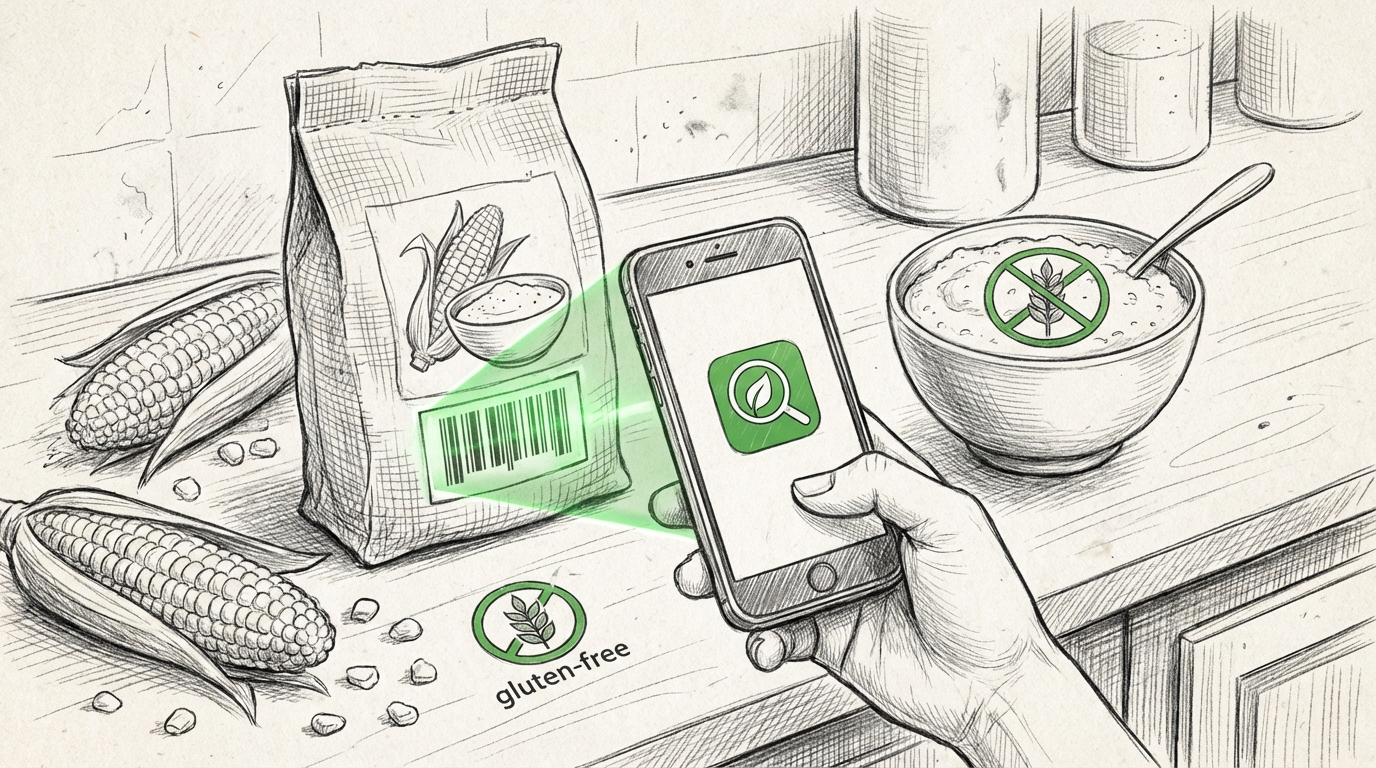
Gluten Free Broth: Safe Brands & Allergen Scanner Guide
TL;DR: Gluten free broth is a stock or soup base made without wheat, barley, rye, or gluten-containing ingredients. Many commercial broths contain hidden gluten through additives or cross-contamination. To ensure safety, scan product barcodes with allergen detection apps that identify gluten and other allergens, helping you confidently choose certified gluten-free options for cooking and meal preparation.
Frequently Asked Questions

What is gluten free broth and how can I verify it's safe?
Gluten free broth is a cooking liquid made from meat, vegetables, or bones that contains no wheat, barley, or rye proteins. To verify safety, check product labels for gluten-free certification or use an allergen checker app that scans barcodes to detect gluten and other allergens. Many brands clearly label their broths as gluten-free, but cross-contamination during manufacturing can occur.
How do allergen checker apps help identify gluten in broth products?
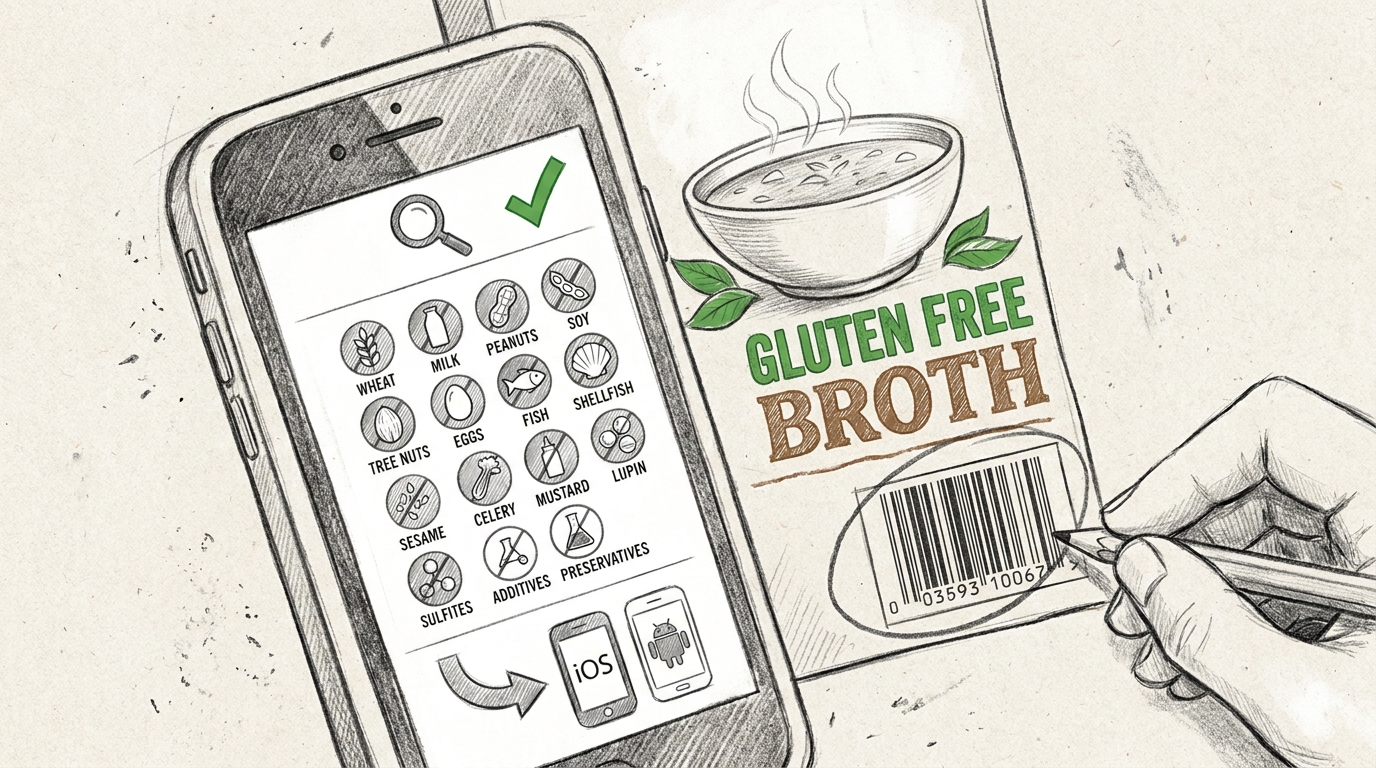
Allergen checker apps scan product barcodes and instantly identify the presence of gluten and 12 other common allergens, plus traces, additives, and preservatives. These apps maintain extensive databases of food products, allowing users to quickly verify if a broth is gluten-free before purchasing. Available on both iOS and Android, they provide real-time information about ingredients and potential cross-contamination risks.
Can I find gluten free options using the Chipotle nutrition calculator?
Yes, the Chipotle nutrition calculator and nutrition info tool allows you to build custom meals and identify gluten-free options, including their chicken, steak, and vegetable broths used in soups. The calculator displays allergen information for each ingredient, helping you avoid gluten-containing items like flour tortillas. You can plan safe meals by selecting rice bowls or salads with gluten-free proteins and toppings.
Are there gluten free alternatives to regular wheat-based products?
Yes, numerous gluten-free alternatives exist, including gluten free broth, gluten free cheese-its style crackers, and gluten free wheat free beer made from sorghum, rice, or millet. These products are specifically manufactured to exclude wheat, barley, and rye while maintaining similar taste and texture. Always verify products using labels or an allergen checker app to ensure they meet gluten-free standards.
What additives in broth might contain hidden gluten?
Common additives that may contain hidden gluten include modified food starch, malt flavoring, hydrolyzed vegetable protein, and certain stabilizers. Some broths also contain poly carboxylic acid or other preservatives that could be processed with gluten-containing ingredients. Using an allergen detection app helps identify these hidden sources by scanning barcodes and revealing complete ingredient breakdowns including traces and additives.
How can I check if store-bought broth contains allergens or preservatives?
The most efficient method is using a mobile allergen checker app that scans product barcodes to detect 13 different allergens, traces, additives, and preservatives instantly. These apps work in-store, allowing real-time verification before purchase. Alternatively, carefully read ingredient labels looking for gluten-containing grains, checking for certifications like 'Certified Gluten-Free,' and researching manufacturer websites for detailed allergen information.
What should I look for when buying gluten free broth at the grocery store?
Look for clear 'gluten-free' labeling or certification symbols on packaging. Check ingredients for wheat, barley, rye, and malt derivatives. Use an allergen checker app to scan barcodes for comprehensive allergen information including cross-contamination risks. Avoid broths with vague terms like 'natural flavoring' without clarification, and choose brands that specifically test for gluten levels below 20 parts per million.
Can allergen checker apps detect preservatives like methane sulfonic acid in food products?
Yes, comprehensive allergen checker apps detect not only common allergens like gluten but also additives and preservatives including methane sulfonic acid, hydroxy stearic acid, and poly carboxylic acid. These apps maintain updated databases of food ingredients and their chemical components, providing detailed information about what's in your broth and other products. This feature is particularly valuable for people with multiple sensitivities or dietary restrictions.
Understanding Gluten Free Broth: Your Complete Guide

When managing celiac disease or gluten sensitivities, finding safe ingredients for everyday cooking can feel overwhelming. Gluten free broth is an essential staple for anyone following a gluten-free diet, but not all broths are created equal. Many commercial broths contain hidden gluten sources that can trigger reactions in sensitive individuals.
This comprehensive guide explores everything you need to know about selecting, using, and verifying gluten free broth options. Whether you're preparing a simple soup or crafting a complex sauce, understanding which broths are safe can make all the difference in maintaining your health and enjoying delicious meals.
With the rise of food scanning technology and allergy checker apps, identifying safe products has become easier than ever. Let's dive into the world of gluten free broth and discover how to make informed choices for your dietary needs.
What Makes Broth Gluten Free?

Gluten free broth is made without any ingredients derived from wheat, barley, rye, or their derivatives. Pure broth made from meat, poultry, fish, or vegetables with simple seasonings is naturally gluten-free.
Common Gluten Sources in Broth
Many commercial broths contain hidden gluten that catches consumers off guard. Understanding these sources helps you make safer choices when shopping.
- Hydrolyzed wheat protein: Often used as a flavor enhancer in commercial broths
- Malt flavoring: Derived from barley and contains gluten
- Modified food starch: May be wheat-based unless specified otherwise
- Natural flavors: Can sometimes include gluten-containing ingredients
- Yeast extract: May be processed on equipment that handles gluten
Safe Ingredients to Look For
When selecting gluten free broth, focus on products with simple, recognizable ingredients. The best options contain water, meat or vegetables, salt, and specific herbs and spices.
Look for certifications from recognized gluten-free organizations. These third-party verifications ensure products meet strict gluten-free standards, typically containing less than 20 parts per million (ppm) of gluten.
Best Gluten Free Broth Brands
Several reputable brands offer certified gluten free broth options. These companies prioritize allergen safety and transparent labeling practices.
| Brand | Certification | Varieties Available | Key Features |
|---|---|---|---|
| Pacific Foods | Certified GF | Chicken, Beef, Vegetable | Organic options, low sodium |
| Kitchen Basics | Gluten Free Label | All varieties | No MSG, no preservatives |
| Swanson | Gluten Free Label | Chicken, Beef, Vegetable | Widely available, affordable |
| Imagine Foods | Certified GF | Organic varieties | Non-GMO verified |
How to Verify Broth Safety
Even with reputable brands, it's essential to verify product safety before purchasing. Using an allergy checker app can streamline this process significantly.
Modern food scanning technology allows you to scan product barcodes and instantly identify potential allergens. This technology has revolutionized how people with dietary restrictions shop for groceries.
Making Your Own Gluten Free Broth
Creating homemade gluten free broth gives you complete control over ingredients. It's surprisingly simple and often more flavorful than store-bought options.
Basic Chicken Broth Recipe
- Combine 3-4 pounds of chicken bones or a whole chicken in a large pot
- Add 12 cups of cold water, covering the chicken completely
- Include vegetables like carrots, celery, and onions for flavor
- Add fresh herbs such as thyme, parsley, and bay leaves
- Bring to a boil, then reduce heat and simmer for 4-6 hours
- Strain the broth through a fine-mesh sieve or cheesecloth
- Cool and refrigerate, removing solidified fat from the surface
Vegetable Broth Variations
For a plant-based option, combine various vegetables with herbs and simmer for 1-2 hours. Mushrooms add umami depth, while tomatoes provide richness and color.
Avoid using vegetables from the brassica family (cabbage, broccoli) as they can create bitter flavors when simmered for extended periods.
Understanding Cross-Contamination Risks
Even naturally gluten-free ingredients can become contaminated during processing or preparation. This is particularly important for individuals with celiac disease who must avoid even trace amounts of gluten.
Manufacturing Considerations
Commercial broth producers may use shared equipment for multiple product lines. Some facilities process both gluten-containing and gluten-free products, creating potential cross-contamination risks.
- Look for dedicated gluten-free facilities when possible
- Contact manufacturers directly about their processing procedures
- Check for "made in a facility that processes wheat" warnings
- Verify cleaning protocols between production runs
Home Kitchen Safety
When preparing gluten free broth at home, use dedicated utensils and cookware if possible. Thoroughly clean all surfaces and equipment before starting preparation.
Store homemade broth in clean, dedicated containers to prevent cross-contact with gluten-containing foods in your refrigerator or freezer.
Gluten Free Broth in Different Cuisines
Understanding how different culinary traditions use broth helps you adapt recipes while maintaining gluten-free safety. Many international cuisines rely heavily on flavorful broths as foundational elements.
Asian Cuisine Adaptations
Traditional Asian broths often contain soy sauce, which typically includes wheat. Substitute with gluten-free tamari or coconut aminos to maintain authentic flavors.
When dining out, be cautious with dishes like ramen or pho, as many restaurants use wheat-based noodles and may have gluten in their broth bases. Always verify ingredients with restaurant staff.
European Cooking Applications
French and Italian cooking frequently use broth as a base for sauces and soups. Most traditional preparations are naturally gluten-free, but watch for roux-thickened sauces that contain wheat flour.
Replace wheat flour with cornstarch or arrowroot powder for thickening while maintaining the gluten-free status of your dishes.
Nutritional Benefits of Gluten Free Broth
Beyond being safe for gluten-sensitive individuals, quality broth offers numerous health benefits. Bone broth, in particular, has gained attention for its nutritional profile.
| Nutrient | Benefits | Amount per Cup |
|---|---|---|
| Collagen | Supports joint and skin health | 6-10g |
| Glycine | Aids digestion and sleep | 1-2g |
| Proline | Supports tissue repair | 0.5-1g |
| Minerals | Calcium, magnesium, phosphorus | Varies |
Digestive Health Support
The gelatin in bone broth can help support digestive health, which is particularly beneficial for those recovering from gluten-related intestinal damage. The amino acids in broth may help repair the gut lining.
Regular consumption of quality broth provides hydration along with easily absorbable nutrients, making it an excellent choice for those with compromised digestive systems.
Shopping Tips for Gluten Free Broth
Navigating grocery store aisles while managing food allergies requires strategy and awareness. Modern technology has made this process significantly easier for consumers.
Using Technology to Shop Safely
Food allergy scanner apps have revolutionized how people with dietary restrictions shop. These tools allow you to scan product barcodes and instantly identify potential allergens, including gluten.
The Nutrict food allergy scanner app helps identify 13 different allergens, traces, additives, and preservatives in products. This technology saves time and provides peace of mind when selecting safe foods.
Reading Labels Effectively
Understanding food labels is crucial for maintaining a gluten-free diet. In the United States, FDA regulations require clear allergen labeling for wheat, but barley and rye may be hidden in ingredient lists.
- Check for "gluten-free" certification symbols
- Read ingredient lists completely, not just allergen statements
- Look for statements about shared facilities or equipment
- Be aware that formulations can change without notice
- Verify product safety regularly, even for trusted brands
Related Gluten Free Considerations
Managing a gluten-free lifestyle extends beyond just broth selection. Understanding which other common foods are safe helps create a comprehensive dietary approach.
Gluten Free Snacks and Alternatives
Many people wonder about popular snack foods when following a gluten-free diet. For example, while traditional Cheez-Its contain wheat flour, several brands now offer gluten free cheese-its alternatives made with rice or corn flour.
Similarly, beer enthusiasts can enjoy gluten free wheat free beer options made from sorghum, rice, or other alternative grains. These beverages provide the satisfaction of beer without gluten exposure.
Understanding Food Additives
Beyond gluten, many people with sensitivities are concerned about various food additives. While ingredients like hydroxy stearic acid, methane sulfonic acid, and poly carboxylic acid are generally gluten-free, they may cause reactions in some sensitive individuals.
These additives serve various functions in food processing, from emulsification to pH adjustment. Reading labels carefully and using scanning technology helps identify all ingredients in your food.
Dining Out with Gluten Sensitivities
Restaurant dining presents unique challenges for those avoiding gluten. Many establishments now accommodate gluten-free diets, but vigilance remains essential.
Restaurant Chain Resources
Major restaurant chains often provide detailed nutritional information online. For instance, if you're planning to visit Chipotle, you can use a chipotle nutrition calculator to plan your meal and verify gluten-free options.
Access to chipotle nutrition info and similar resources from other restaurants helps you make informed decisions before arriving at the establishment. This preparation reduces stress and ensures safer dining experiences.
Questions to Ask Servers
When ordering soup or dishes containing broth at restaurants, always ask specific questions about ingredients and preparation methods. Don't assume that clear broths are automatically gluten-free.
- What brand of broth do you use?
- Are there any thickeners added to soups?
- Is the broth made in-house or purchased?
- Do you use the same pots for gluten-containing and gluten-free items?
- Can I see the ingredient list for your broth?
Storage and Shelf Life
Proper storage ensures your gluten free broth remains safe and flavorful. Both homemade and commercial broths have specific storage requirements.
Refrigeration Guidelines
Opened commercial broth should be refrigerated immediately and used within 4-5 days. Homemade broth typically lasts 3-4 days in the refrigerator when stored in airtight containers.
Always cool broth quickly before refrigerating to prevent bacterial growth. Divide large batches into smaller containers for faster cooling and easier portioning.
Freezing for Long-Term Storage
Freezing extends broth shelf life significantly. Use ice cube trays for small portions perfect for adding flavor to dishes, or freeze larger quantities in freezer-safe containers.
| Storage Method | Shelf Life | Best Practices |
|---|---|---|
| Unopened Commercial | 1-2 years | Store in cool, dry place |
| Opened Commercial | 4-5 days | Refrigerate immediately |
| Homemade (Refrigerated) | 3-4 days | Cool quickly, store airtight |
| Frozen | 4-6 months | Label with date, use airtight containers |
Cost Comparison: Homemade vs. Store-Bought
Budget considerations often influence food choices, especially when managing dietary restrictions. Understanding the economics of gluten free broth helps you make practical decisions.
Financial Benefits of Homemade Broth
Making broth at home can significantly reduce costs, especially when using leftover bones and vegetable scraps. A batch of homemade broth typically costs $2-4 compared to $3-6 per carton for commercial options.
Additionally, homemade broth allows you to control quality and avoid unnecessary additives, providing better value for your health investment.
When to Choose Commercial Options
Despite cost savings, commercial broth offers convenience that's valuable when time is limited. Pre-made options are ideal for busy weeknights or when you need broth immediately.
Stock your pantry with both homemade frozen portions and commercial backup options for maximum flexibility in meal planning.
Common Mistakes to Avoid
Even experienced gluten-free consumers can make errors when selecting and using broth. Awareness of common pitfalls helps maintain dietary safety.
Assuming "Natural" Means Gluten-Free
Products labeled as "natural" or "organic" are not automatically gluten-free. These terms refer to different aspects of food production and don't guarantee gluten absence.
Always verify gluten-free status through specific labeling or certification, regardless of other marketing claims on packaging.
Ignoring Cross-Contact at Home
Many people focus on ingredient selection but overlook cross-contact risks in their own kitchens. Using the same spoon that touched gluten-containing food can contaminate your gluten free broth.
Implement dedicated utensils and storage containers for gluten-free items, especially if your household includes both gluten-free and gluten-containing foods.
The Future of Gluten-Free Product Innovation
The gluten-free market continues to expand with improved products and better labeling practices. Technology plays an increasingly important role in helping consumers navigate food choices safely.
Emerging Technologies
Advanced food scanning apps now offer comprehensive allergen detection beyond just gluten. These tools identify multiple allergens, additives, and preservatives in seconds.
Artificial intelligence and machine learning improve these apps' accuracy over time, making them increasingly reliable for managing complex dietary needs.
Industry Improvements
Food manufacturers are responding to consumer demand with clearer labeling and dedicated gluten-free production facilities. This trend makes shopping safer and more straightforward for those with celiac disease and gluten sensitivities.
Increased awareness and advocacy continue to drive positive changes in food production and labeling standards worldwide.
Take Control of Your Food Safety Today
Managing a gluten-free diet doesn't have to be overwhelming. With the right knowledge and tools, you can confidently select safe gluten free broth and other products for your dietary needs.
Modern technology has transformed how we approach food allergies and sensitivities. Instead of spending hours reading labels and researching ingredients, you can now scan products instantly to verify their safety.
The Nutrict food allergy scanner app makes grocery shopping simple and stress-free. Available on both iOS and Android, this powerful tool helps you identify allergens, traces, additives, and preservatives in seconds. Whether you're managing celiac disease, multiple food allergies, or simply want to avoid certain ingredients, Nutrict provides the information you need to make confident food choices.
Don't let dietary restrictions limit your culinary enjoyment. Take control of your food safety and discover how easy gluten-free living can be. Download Nutrict today and experience the peace of mind that comes with knowing exactly what's in your food.
For more helpful information about managing food allergies and dietary restrictions, explore our comprehensive guides on topics like whether grits are gluten free and cottage cheese nutrition and allergen facts. Visit the Nutrict blog for regular updates and practical tips for allergen-free living.
Article created using IntentRank