Gluten & Vegan Free Scanner: Detect Allergens Instantly
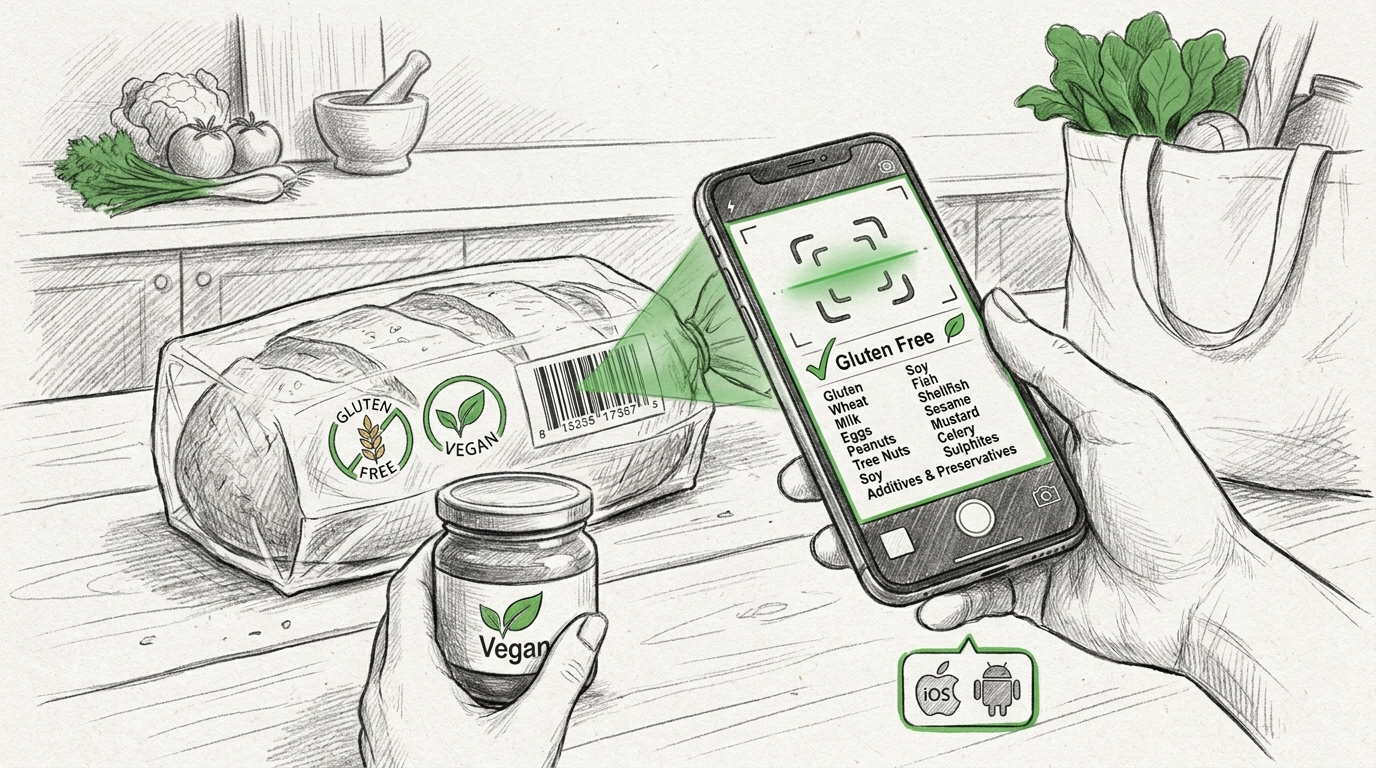
TL;DR: Gluten and vegan free products are items that contain no gluten-containing grains or animal-derived ingredients. Use allergen scanning apps to quickly identify safe products by scanning barcodes, which detect gluten, animal ingredients, and other allergens among 13 different categories, plus traces, additives, and preservatives in food items.
Frequently Asked Questions
What is the best app to check if products are gluten and vegan free?
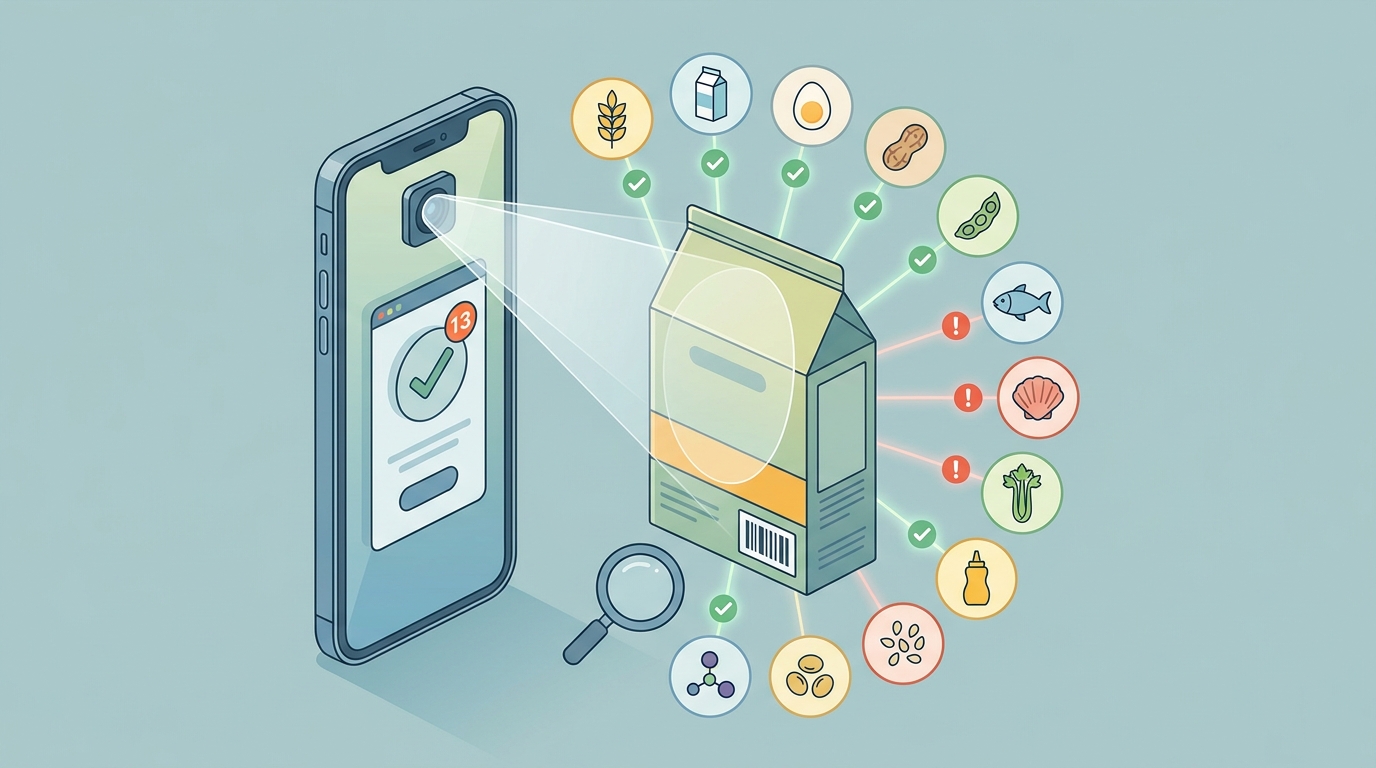
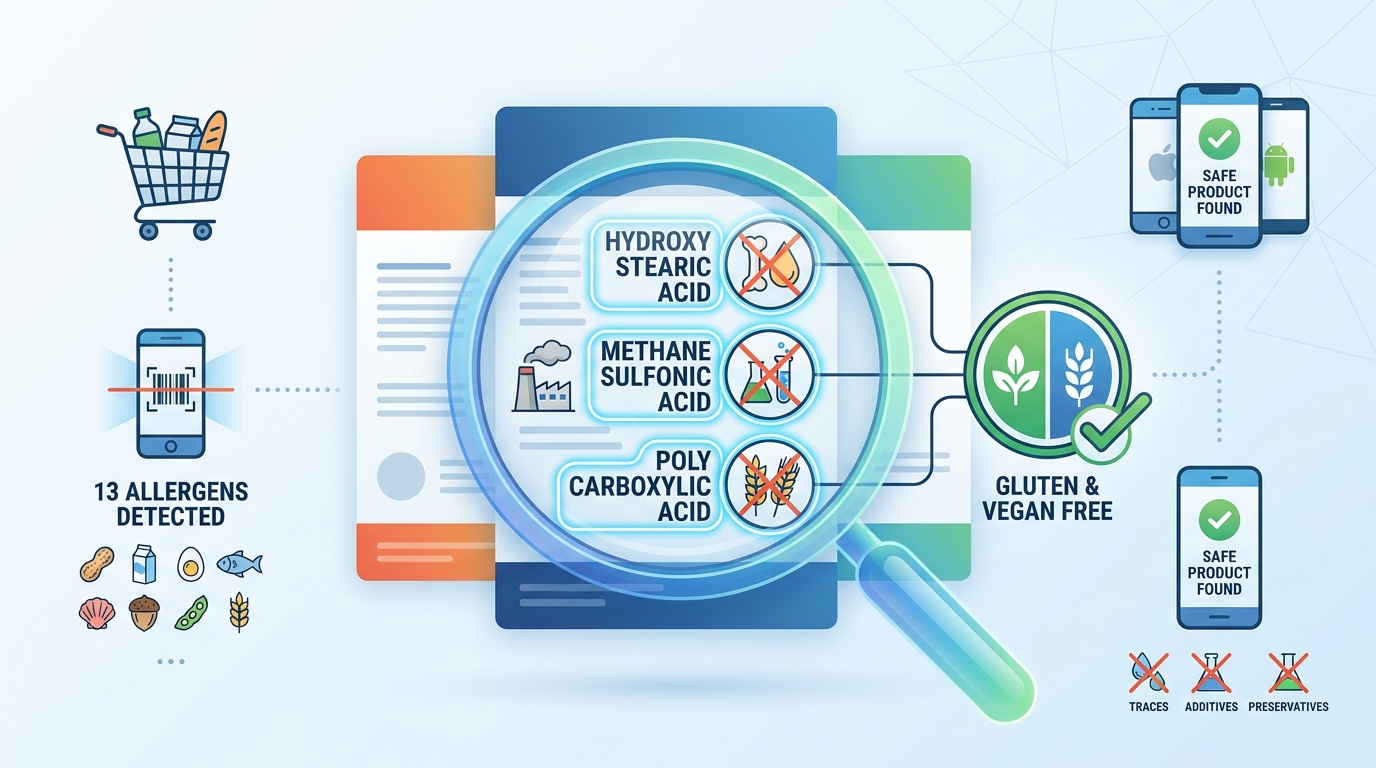
Allergen scanning apps allow you to identify gluten and vegan-free products by scanning barcodes. These apps detect 13 different allergens, traces, additives, and preservatives in real-time. Available on both iOS and Android, they provide instant nutritional information and allergen warnings, making grocery shopping safer for people with dietary restrictions and food sensitivities.
How does an allergy checker app work for gluten and vegan products?
An allergy checker app works by scanning product barcodes using your smartphone camera. The app instantly analyzes the product's ingredients database to identify allergens, including gluten, animal-derived ingredients, additives, and preservatives. It displays clear warnings and detailed ingredient breakdowns, helping you make informed purchasing decisions while shopping for gluten and vegan free products.
Can I use Chipotle nutrition calculator to find gluten and vegan free options?
Yes, Chipotle's nutrition calculator allows you to customize meals and view detailed nutrition info, including allergen information. You can select gluten-free and vegan ingredients to build compliant meals. However, for packaged products and other restaurants, dedicated allergen scanning apps provide more comprehensive allergen detection across thousands of brands and food items.
Are there gluten free cheese-its and similar snacks available?
While traditional Cheese-Its contain gluten, several brands now offer gluten-free cheese crackers and similar snacks. To verify if products are truly gluten and vegan free, use a barcode scanning app that checks ingredients for hidden allergens, cross-contamination warnings, and traces. This ensures you're selecting safe alternatives that meet your dietary requirements.
What ingredients should I avoid when looking for gluten and vegan free products?
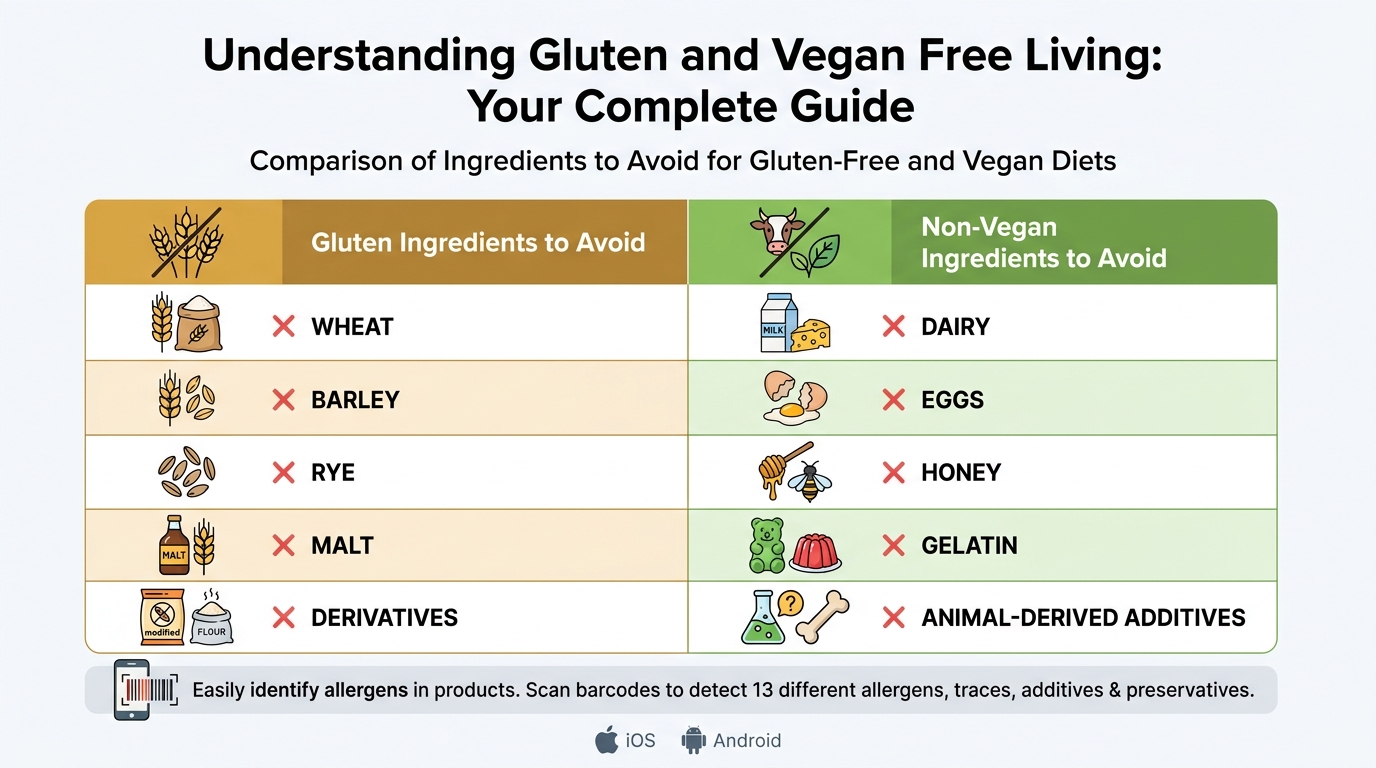
For gluten-free products, avoid wheat, barley, rye, malt, and derivatives like hydroxy stearic acid from wheat sources. For vegan products, avoid animal-derived ingredients including dairy, eggs, honey, gelatin, and certain additives. Allergen scanning apps automatically flag these ingredients and additives like methane sulfonic acid or poly carboxylic acid that may have animal origins.
Where can I find gluten free wheat free beer options?
Gluten-free wheat-free beers are made from alternative grains like sorghum, rice, millet, or buckwheat. Popular brands include Omission, Glutenberg, and New Planet. To verify products are truly gluten and vegan free, scan barcodes with an allergen detection app before purchasing, as some beers may contain traces of gluten or animal-derived fining agents.
How accurate are barcode scanning apps for detecting gluten and vegan ingredients?
Modern barcode scanning apps maintain extensive databases updated regularly with manufacturer information, detecting 13 different allergens with high accuracy. They identify gluten sources, animal-derived ingredients, additives, preservatives, and trace contamination warnings. While highly reliable, always verify with product labels for the most current information, especially for products with recent formula changes.
Can allergen checker apps identify hidden gluten and non-vegan additives?
Yes, allergen checker apps identify hidden sources of gluten and non-vegan additives that aren't obvious from product names. They flag ingredients like hydroxy stearic acid, methane sulfonic acid, and poly carboxylic acid that may contain animal derivatives or gluten. The apps provide detailed ingredient analysis, helping you avoid hidden allergens in processed foods and packaged products.
Understanding Gluten and Vegan Free Living: Your Complete Guide
Navigating a diet that is both gluten and vegan free can feel overwhelming, especially when you're managing multiple dietary restrictions simultaneously. Whether you're dealing with celiac disease, gluten sensitivity, or choosing a plant-based lifestyle for ethical or health reasons, understanding how to identify safe foods is essential for your wellbeing.
The intersection of gluten-free and vegan diets requires careful attention to ingredient labels, food additives, and hidden allergens. With the rise of processed foods containing complex chemical compounds and preservatives, it's more important than ever to have reliable tools and knowledge at your fingertips.
This comprehensive guide will walk you through everything you need to know about maintaining a gluten and vegan free lifestyle, from identifying safe ingredients to using modern technology for allergen detection.
What Does Gluten and Vegan Free Really Mean?
Defining Gluten-Free Standards
A gluten-free diet eliminates all forms of gluten, a protein found in wheat, barley, rye, and their derivatives. For people with celiac disease, even trace amounts of gluten can trigger severe immune responses and intestinal damage.
The FDA requires products labeled "gluten-free" to contain less than 20 parts per million (ppm) of gluten. This threshold is considered safe for most people with celiac disease, though some individuals may be more sensitive.
- Wheat and all wheat varieties (spelt, kamut, farro)
- Barley and malt products
- Rye and triticale
- Cross-contaminated oats (unless certified gluten-free)
Understanding Vegan Requirements
A vegan diet excludes all animal products and by-products, including meat, dairy, eggs, honey, and gelatin. Many processed foods contain hidden animal-derived ingredients that can be challenging to identify.
Common hidden animal ingredients include whey, casein, lactose, and certain food additives derived from animal sources. Reading labels carefully is crucial for maintaining a truly vegan diet.
Common Ingredients to Watch For in Gluten and Vegan Free Products
Chemical Additives and Their Sources
Modern food processing uses numerous chemical compounds that may or may not be suitable for gluten-free and vegan diets. Understanding these ingredients helps you make informed choices about what you consume.
Hydroxy stearic acid is a fatty acid derivative commonly used as an emulsifier in processed foods. While it can be derived from vegetable sources, making it potentially vegan-friendly, it's essential to verify the source with manufacturers as it can also come from animal fats.
Methane sulfonic acid is a synthetic compound used in food processing and as a catalyst in various applications. It's typically vegan-friendly as it's synthetically produced, but always verify its use in specific products as processing aids may introduce cross-contamination concerns.
| Ingredient | Typical Source | Vegan Status | Gluten Status |
|---|---|---|---|
| Hydroxy Stearic Acid | Plant or animal fats | Verify source | Usually gluten-free |
| Poly Carboxylic Acid | Synthetic | Generally vegan | Gluten-free |
| Methane Sulfonic Acid | Synthetic | Generally vegan | Gluten-free |
| Modified Food Starch | Corn, potato, or wheat | Usually vegan | Check source |
Poly Carboxylic Acid in Food Products
Poly carboxylic acid is a synthetic polymer used in various industrial and food applications. In food products, it may appear as a processing aid or stabilizer. Since it's synthetically produced, it's typically suitable for vegan diets and doesn't contain gluten.
However, the challenge with these chemical compounds lies not in their inherent composition but in potential cross-contamination during manufacturing. Facilities that process both gluten-containing and gluten-free products may inadvertently contaminate otherwise safe ingredients.
Popular Foods: Are They Gluten and Vegan Free?
Snack Foods and Crackers
Many people wonder about popular snack foods when following restricted diets. Gluten free cheese-its alternatives have become increasingly available as brands recognize the demand for allergen-friendly snacks.
Traditional Cheese-Its contain both gluten (from wheat flour) and dairy (from cheese), making them unsuitable for either diet. However, several brands now offer gluten-free crackers made from rice flour, chickpea flour, or almond flour. For vegan options, you'll need crackers that use nutritional yeast or plant-based cheese alternatives instead of dairy.
- Look for crackers made with rice, chickpea, or almond flour bases
- Check for vegan cheese alternatives using nutritional yeast
- Verify certification labels for both gluten-free and vegan claims
- Be cautious of cross-contamination warnings
Beer and Alcoholic Beverages
Traditional beer is made from barley, making it off-limits for gluten-free diets. Fortunately, gluten free wheat free beer options have exploded in popularity, offering delicious alternatives for those with celiac disease or gluten sensitivity.
These beers are typically made from naturally gluten-free grains like sorghum, millet, rice, or buckwheat. Some brands also use gluten-removed processes, though these may not be suitable for people with severe celiac disease.
| Base Grain | Vegan-Friendly | Celiac-Safe | Flavor Profile |
|---|---|---|---|
| Sorghum | Yes | Yes | Light, slightly sweet |
| Rice | Yes | Yes | Crisp, clean |
| Millet | Yes | Yes | Mild, earthy |
| Buckwheat | Yes | Yes | Nutty, robust |
Most gluten free wheat free beer varieties are naturally vegan, as they don't contain animal-derived fining agents. However, always check labels as some breweries may use isinglass (fish bladder) or other animal products in the clarification process.
Using Technology to Navigate Dietary Restrictions
The Power of Allergy Checker Apps
Managing multiple dietary restrictions becomes significantly easier with modern technology. An allergy checker app can scan product barcodes and instantly identify allergens, additives, and ingredients that don't align with your dietary needs.
These apps are particularly valuable when shopping for packaged foods, as they can detect hidden ingredients that might not be immediately obvious from a quick label scan. The best allergy checker apps provide comprehensive databases covering thousands of products.
- Instant barcode scanning for quick allergen identification
- Detection of 13+ common allergens including gluten and animal products
- Alerts for traces, cross-contamination risks, and processing aids
- Identification of additives and preservatives
- Customizable profiles for multiple dietary restrictions
Smart Shopping with Nutrition Calculators
When dining out, tools like a chipotle nutrition calculator help you build meals that meet your dietary requirements. These calculators allow you to customize your order and see exactly what ingredients you're consuming.
The Chipotle nutrition calculator is particularly useful because it lets you build your bowl, burrito, or salad ingredient by ingredient. You can easily identify which components are gluten-free and vegan, ensuring your meal aligns with your restrictions.
For detailed information about specific menu items, checking Chipotle nutrition info before you order can save time and prevent accidental exposure to allergens or non-vegan ingredients.
Reading Labels: Essential Skills for Success
Identifying Hidden Gluten Sources
Gluten hides in unexpected places, making label reading an essential skill. Beyond obvious wheat-based products, gluten can appear in sauces, seasonings, processed meats, and even medications.
Common hidden gluten sources include malt flavoring, modified food starch (when derived from wheat), hydrolyzed vegetable protein, and certain caramel colorings. Always look for explicit "gluten-free" certification when in doubt.
Spotting Non-Vegan Ingredients
Animal-derived ingredients often appear under obscure names that make them difficult to identify. Casein, whey, and lactose are dairy derivatives, while gelatin comes from animal collagen.
Other sneaky non-vegan ingredients include carmine (red dye from insects), shellac (from lac beetles), and certain vitamin D3 formulations derived from lanolin (sheep's wool). An allergy checker app can help identify these hidden ingredients instantly.
| Ingredient Name | Source | Common Products |
|---|---|---|
| Carmine/Cochineal | Crushed beetles | Red-colored foods, cosmetics |
| Gelatin | Animal collagen | Gummy candies, marshmallows |
| Casein | Milk protein | Cheese alternatives, protein bars |
| Whey | Milk by-product | Baked goods, protein powders |
| Shellac | Lac beetle secretions | Candy coatings, supplements |
Building a Balanced Gluten and Vegan Free Diet
Nutritional Considerations
Combining gluten-free and vegan diets requires careful planning to ensure adequate nutrition. Key nutrients to monitor include protein, iron, calcium, vitamin B12, and omega-3 fatty acids.
Focus on whole foods like quinoa, buckwheat, amaranth, legumes, nuts, seeds, and plenty of vegetables. These naturally gluten-free, plant-based foods provide essential nutrients without requiring processed alternatives.
- Protein: Lentils, chickpeas, black beans, quinoa, tofu, tempeh
- Iron: Dark leafy greens, fortified cereals, pumpkin seeds
- Calcium: Fortified plant milks, tahini, almonds, bok choy
- B12: Fortified nutritional yeast, plant milks, or supplements
- Omega-3s: Flaxseeds, chia seeds, walnuts, algae-based supplements
Meal Planning Strategies
Successful meal planning starts with identifying safe staples and building variety around them. Stock your pantry with certified gluten-free grains, legumes, and plant-based proteins.
Batch cooking grains like basmati rice and quinoa provides convenient bases for multiple meals. Prepare large batches of bean-based dishes that freeze well for quick weeknight dinners.
Dining Out with Confidence
Restaurant Navigation Tips
Eating out requires clear communication with restaurant staff about your dietary needs. Don't hesitate to ask detailed questions about ingredients, preparation methods, and cross-contamination risks.
Many chain restaurants now provide detailed allergen information online. Using resources like chipotle nutrition info before you arrive helps you plan your order and identify safe options quickly.
Fast-Casual Dining Options
Fast-casual restaurants with customizable menus offer the most flexibility for restricted diets. Chains like Chipotle allow you to see exactly what goes into your meal and make substitutions as needed.
The chipotle nutrition calculator exemplifies how technology can empower diners with dietary restrictions. By calculating nutrition and allergen information in real-time as you build your meal, these tools eliminate guesswork and reduce anxiety around dining out.
Common Challenges and Solutions
Cross-Contamination Concerns
Cross-contamination poses one of the biggest challenges for people following strict gluten-free diets. Even trace amounts can cause reactions in sensitive individuals, making vigilance essential.
At home, designate separate cutting boards, toasters, and cooking utensils for gluten-free foods. In restaurants, ask about dedicated preparation areas and whether foods are cooked in shared fryers or on shared grills.
Social Situations and Travel
Social gatherings and travel present unique challenges when managing dietary restrictions. Always carry safe snacks, research restaurants in advance, and don't be afraid to bring your own food to events when necessary.
Using an allergy checker app while traveling helps you quickly identify safe products in unfamiliar stores. Download the app before your trip and ensure it works offline for international travel.
The Future of Allergen-Free Living
Emerging Technologies and Trends
Technology continues to revolutionize how people manage food allergies and dietary restrictions. Advanced scanning apps now use artificial intelligence to provide increasingly accurate ingredient analysis and personalized recommendations.
The food industry is responding to demand with more transparent labeling, better allergen testing, and innovative products that cater to multiple dietary restrictions simultaneously. Gluten free cheese-its alternatives and gluten free wheat free beer options demonstrate how mainstream these products have become.
Advocacy and Awareness
Growing awareness of celiac disease, food allergies, and plant-based diets has led to better accommodation in restaurants, schools, and workplaces. This trend shows no signs of slowing as more people adopt specialized diets for health or ethical reasons.
Continued advocacy for clear labeling, cross-contamination protocols, and accessible allergen information benefits everyone in the community. Supporting brands that prioritize transparency encourages industry-wide improvements.
Take Control of Your Dietary Journey
Living a gluten and vegan free lifestyle doesn't have to be overwhelming or restrictive. With the right knowledge, tools, and resources, you can confidently navigate food choices while enjoying diverse, delicious meals.
Understanding ingredients like hydroxy stearic acid, methane sulfonic acid, and poly carboxylic acid empowers you to make informed decisions about processed foods. Knowing which products are truly safe—whether it's gluten free wheat free beer or gluten free cheese-its alternatives—removes the guesswork from shopping.
Technology has made managing dietary restrictions easier than ever. An allergy checker app puts comprehensive allergen information at your fingertips, while tools like a chipotle nutrition calculator help you make confident choices when dining out.
Ready to simplify your allergen-free journey? Visit Nutrict to discover how our food allergy scanner app can help you identify allergens, additives, and preservatives in seconds. With support for 13 different allergens and a comprehensive database of products, you'll never have to wonder if a food is safe again. Download Nutrict today on iOS or Android and take control of your dietary health with confidence.
Article created using IntentRank