Corn Tortilla Nutrition: Complete Calorie & Allergen Guide
TL;DR: Corn tortilla nutrition info shows that one 6-inch tortilla contains approximately 50-60 calories, 1-2g protein, 10-12g carbohydrates, and 1-2g fiber. They're naturally gluten-free, low in fat, and contain essential minerals like calcium and iron. Corn tortillas are a healthier alternative to flour tortillas with fewer calories and more fiber.
Frequently Asked Questions

What is the nutritional information for corn tortillas?
A standard 6-inch corn tortilla contains approximately 50-60 calories, 1-2 grams of protein, 10-12 grams of carbohydrates, and 1-2 grams of fat. Corn tortillas are naturally gluten-free and provide about 1-2 grams of dietary fiber. They contain small amounts of iron, calcium, and B vitamins. The exact nutrition varies by brand and size, so scanning product barcodes can help identify precise nutritional content and potential allergens.
Are corn tortillas gluten-free and safe for celiac disease?
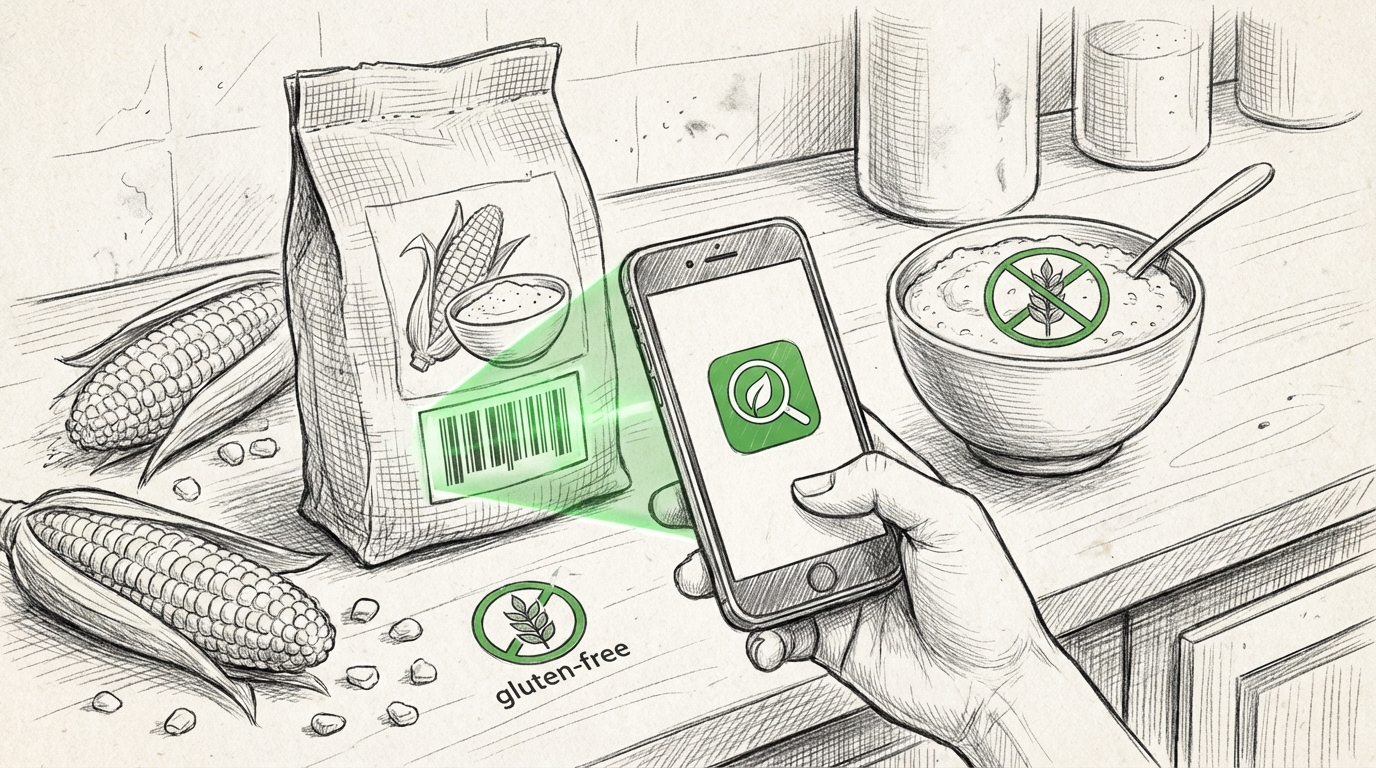
Yes, corn tortillas are naturally gluten-free since they're made from corn masa flour, not wheat. However, cross-contamination can occur during manufacturing if produced in facilities that also process wheat products. People with celiac disease or gluten sensitivity should look for certified gluten-free labels and scan product barcodes to verify the absence of gluten traces and cross-contamination risks before consuming.
How many calories are in a Chipotle corn tortilla?
A Chipotle corn tortilla contains approximately 210 calories per serving, which consists of three small tortillas. Each individual corn tortilla at Chipotle has about 70 calories. They also provide 3 grams of protein and 12 grams of carbohydrates per tortilla. You can use Chipotle's nutrition calculator on their website or app to get detailed calorie counts when building your complete meal.
What allergens are commonly found in corn tortillas?
Pure corn tortillas typically contain only corn, water, and lime, making them free from major allergens like gluten, dairy, eggs, and nuts. However, some brands may add preservatives, additives, or process them in facilities with allergen cross-contamination. The 14 major allergens to check for include gluten, milk, eggs, soy, and sulfites. Scanning product barcodes helps identify hidden allergens, traces, and additives in specific brands.
How do corn tortilla calories compare to flour tortillas?
Corn tortillas are generally lower in calories than flour tortillas. A 6-inch corn tortilla has 50-60 calories, while a similar-sized flour tortilla contains 90-110 calories. Corn tortillas also have less fat and are naturally gluten-free. However, flour tortillas typically provide more protein. The nutritional difference becomes significant when consuming multiple tortillas, making corn tortillas a lighter option for those watching calorie intake.
Can I find corn tortilla nutrition info at Taco Bell?
Yes, Taco Bell provides detailed nutrition information for all menu items, including their corn tortillas. Their crunchy taco shells made from corn contain approximately 60-70 calories each. You can access Taco Bell's nutrition calculator on their website or mobile app to view complete nutritional breakdowns including calories, carbs, protein, allergens, and dietary information for any menu item or customized order.
What are the carbs in corn tortillas compared to low-carb bread alternatives?
A standard corn tortilla contains 10-12 grams of carbohydrates, which is moderate compared to regular bread (15-20g per slice) but higher than specialized low-carb or keto breads that contain 1-5 grams of net carbs. While corn tortillas aren't considered low-carb, they're lower than flour tortillas (15-20g) and provide more fiber. For strict low-carb diets, specialized breads with no carbs or keto-friendly alternatives are better options.
How can I check for additives and preservatives in corn tortillas?
The most efficient way to identify additives and preservatives in corn tortillas is by scanning the product barcode with allergen detection apps available on iOS and Android. These apps can instantly reveal ingredients like calcium propionate, fumaric acid, or other preservatives commonly added to extend shelf life. Traditional corn tortillas should contain only corn, water, and lime, but commercial brands often include additional ingredients for texture and preservation.
Understanding Corn Tortilla Nutrition Info: A Complete Guide

When it comes to making informed dietary choices, understanding corn tortilla nutrition info is essential for anyone managing food allergies, following specific diets, or simply seeking healthier alternatives to wheat-based products. Corn tortillas have become increasingly popular as a naturally gluten-free option that fits into various dietary patterns, from traditional Mexican cuisine to modern health-conscious meal planning.
Whether you're checking nutrition labels at restaurants like Chipotle or preparing meals at home, knowing the nutritional profile of corn tortillas helps you make better decisions. This comprehensive guide breaks down everything you need to know about corn tortilla nutrition, allergen information, and how they compare to other common foods.
For those managing multiple dietary restrictions, tools like the Chipotle Nutrition Calculator can help you track your complete meal nutrition, including tortilla choices.
Complete Corn Tortilla Nutrition Info Breakdown

Standard Serving Size Nutritional Values
A standard corn tortilla (approximately 6 inches in diameter, weighing about 24-28 grams) contains the following nutritional profile:
| Nutrient | Amount | % Daily Value |
|---|---|---|
| Calories | 50-60 | 2-3% |
| Total Fat | 0.5-1g | 1% |
| Saturated Fat | 0g | 0% |
| Carbohydrates | 11-12g | 4% |
| Dietary Fiber | 1.5-2g | 6-8% |
| Protein | 1.5-2g | 3% |
| Sodium | 10-15mg | 1% |
Macronutrient Distribution
Corn tortillas provide a balanced macronutrient profile that makes them suitable for various dietary approaches. The carbohydrate content comes primarily from complex carbohydrates found in corn, offering sustained energy without the blood sugar spikes associated with refined grains.
The low fat content makes corn tortillas an excellent choice for those monitoring their fat intake, while the modest protein contribution helps round out meals when combined with beans, meat, or other protein sources.
- Carbohydrates: 80-85% of total calories
- Protein: 10-12% of total calories
- Fat: 5-8% of total calories
Allergen Information and Dietary Considerations
Common Allergens in Corn Tortillas
Traditional corn tortillas are naturally free from many common allergens, making them a safe choice for individuals with multiple food sensitivities. However, it's crucial to verify ingredient labels and manufacturing processes.
| Allergen | Typically Present | Notes |
|---|---|---|
| Gluten | No | Naturally gluten-free when made with 100% corn |
| Wheat | No | Check labels for flour tortilla blends |
| Milk/Dairy | No | Traditional recipes are dairy-free |
| Eggs | No | Not used in traditional corn tortillas |
| Soy | Rarely | May be present in preservatives |
| Tree Nuts | No | Cross-contamination possible in facilities |
Gluten-Free Foods and Snacks Category
Corn tortillas stand out as one of the most versatile gluten-free foods snacks available. Unlike many alternatives that require specialized ingredients or processing, corn tortillas are naturally gluten-free when made from pure corn masa.
For individuals with celiac disease or gluten sensitivities, corn tortillas offer a reliable alternative to wheat-based wraps and breads. Similar to how tortilla chips can be gluten-free, corn tortillas provide a safe foundation for meals without compromising taste or texture.
When shopping at a gluten free bakery or regular grocery store, always verify that corn tortillas haven't been cross-contaminated with wheat flour during manufacturing. Some brands specifically label their products as certified gluten-free for added assurance.
Corn Tortillas vs. Other Bread Products
Comparing Carbohydrate Content
For those seeking breads with no carbs or low-carb alternatives, it's important to understand where corn tortillas fit in the spectrum. While true zero-carb breads don't exist naturally, corn tortillas offer a lower-carb option compared to many traditional bread products.
| Product | Serving Size | Carbohydrates | Calories |
|---|---|---|---|
| Corn Tortilla (6") | 1 tortilla | 11-12g | 50-60 |
| Flour Tortilla (8") | 1 tortilla | 25-30g | 140-170 |
| White Bread | 1 slice | 13-15g | 75-80 |
| Whole Wheat Bread | 1 slice | 12-14g | 70-80 |
| Bagel | 1 medium | 45-55g | 245-290 |
As shown in the comparison, corn tortillas provide significantly fewer carbohydrates than bagels or flour tortillas. For context, a bagel with cream cheese can contain over four times the carbohydrates of a single corn tortilla.
Calorie Density Comparison
Understanding calorie density helps with portion control and meal planning. Corn tortillas offer excellent value for those managing calorie intake, similar to how tracking baked potato calories helps with vegetable-based meal planning.
A standard corn tortilla contains roughly the same calories as a small apple or half a cup of cooked rice, making it an efficient vehicle for protein and vegetables without excessive caloric load.
Restaurant Nutrition: Corn Tortillas in Popular Chains
Chipotle Nutrition Calculator and Calorie Count
When dining at popular chains, understanding chipotle nutrition info becomes crucial for accurate meal tracking. Chipotle offers both flour and corn tortilla options, with significant nutritional differences between them.
At Chipotle, three crispy corn tortilla shells (used for tacos) contain approximately 210 calories, while a single flour tortilla burrito wrap contains 320 calories. This makes corn tortillas a lighter choice for those monitoring their chipotle calorie count.
Using a Chipotle nutrition calculator helps you build meals that fit your dietary needs while enjoying the flavors you love. The calculator accounts for all components, including tortilla choices, proteins, toppings, and salsas.
Taco Bell Nutrition Info
Understanding taco bell nutrition info reveals that their corn tortillas follow similar nutritional patterns to homemade versions, though restaurant preparations may include additional oils or seasonings that increase calorie content.
Taco Bell's crunchy taco shells (made from corn) contain approximately 60-70 calories each, while their flour tortillas range from 210-300 calories depending on size. For allergen-conscious diners, Taco Bell provides detailed allergen information on their website.
Texas Roadhouse Nutrition Info
While texas roadhouse nutrition info focuses primarily on steaks and sides, understanding tortilla nutrition helps when ordering fajitas or other Tex-Mex options. Most restaurant corn tortillas contain 50-80 calories each, depending on size and preparation method.
Restaurant tortillas may be brushed with butter or oil for enhanced flavor, which can add 20-40 additional calories per tortilla. Always ask about preparation methods if you're tracking nutrition closely.
Health Benefits of Corn Tortillas
Nutritional Advantages
Corn tortillas offer several health benefits that extend beyond their basic macronutrient profile. These advantages make them an excellent choice for various dietary approaches.
- Lower calorie density: Allows for larger portion sizes without excessive calorie intake
- Naturally gluten-free: Safe for celiac disease and gluten sensitivities
- Whole grain benefits: Made from whole corn, providing fiber and nutrients
- Low fat content: Supports heart-healthy eating patterns
- No cholesterol: Plant-based product without animal fats
- Minimal sodium: Lower sodium than most commercial breads
Micronutrient Content
Beyond macronutrients, corn tortillas provide essential vitamins and minerals that contribute to overall health. The nixtamalization process (treating corn with lime water) traditionally used to make masa increases calcium availability and improves protein quality.
| Nutrient | Amount per Tortilla | Health Benefits |
|---|---|---|
| Calcium | 20-40mg | Bone health, muscle function |
| Iron | 0.3-0.5mg | Oxygen transport, energy production |
| Magnesium | 15-20mg | Muscle and nerve function |
| Phosphorus | 40-50mg | Bone health, energy metabolism |
| B Vitamins | Various | Energy metabolism, nervous system |
Making Informed Choices with Corn Tortillas
Reading Labels and Identifying Quality Products
Not all corn tortillas are created equal. Understanding label information helps you select the healthiest options for your dietary needs.
Look for tortillas with short ingredient lists—ideally just corn, water, and lime (calcium hydroxide). Avoid products with added preservatives, hydrogenated oils, or excessive sodium unless necessary for your specific situation.
- Check the first ingredient: Should be corn or corn masa
- Verify gluten-free certification if needed
- Look for "non-GMO" labels if that's a priority
- Check for preservatives and additives
- Compare sodium content across brands
Storage and Freshness Tips
Proper storage maintains nutritional quality and prevents spoilage. Fresh corn tortillas typically last 7-10 days refrigerated or several months frozen.
Store opened packages in airtight containers or resealable bags to prevent drying. Refrigeration extends shelf life, while freezing preserves tortillas for extended periods without significant nutritional loss.
Incorporating Corn Tortillas into Various Diets
Low-Carb and Keto Diets
While corn tortillas aren't strictly keto-friendly due to their carbohydrate content, they can fit into modified low-carb approaches when portion sizes are controlled. One corn tortilla contains approximately 11-12g net carbs (total carbs minus fiber).
For those seeking alternatives, low-carb tortillas made from almond flour or coconut flour provide options closer to breads with no carbs, though they differ significantly in taste and texture from traditional corn tortillas.
Diabetes-Friendly Options
Corn tortillas can fit into diabetes management plans when consumed as part of balanced meals. The fiber content helps moderate blood sugar response, while the relatively low glycemic load makes them preferable to white bread or flour tortillas.
Pairing corn tortillas with protein, healthy fats, and vegetables further slows carbohydrate absorption and promotes stable blood sugar levels. Similar to how basmati rice nutrition offers a lower glycemic option among rice varieties, corn tortillas provide a better choice among tortilla options.
Weight Management
The low calorie density of corn tortillas supports weight management goals by allowing satisfying portions without excessive calories. Two corn tortillas (100-120 calories) provide a filling base for tacos with significantly fewer calories than a large flour tortilla burrito.
Compared to higher-calorie options like bagels or thick bread slices, corn tortillas enable portion control while maintaining meal satisfaction and nutritional adequacy.
Allergen Management and Cross-Contamination
Manufacturing Considerations
Even naturally allergen-free products like corn tortillas can pose risks for highly sensitive individuals due to manufacturing processes. Cross-contamination with wheat, soy, or other allergens can occur in facilities that process multiple products.
Look for statements like "manufactured in a dedicated gluten-free facility" or "processed on equipment that does not process wheat" if you have severe allergies or celiac disease. Similar considerations apply to other gluten-free foods like grits.
Restaurant Safety
When dining out, cross-contamination risks increase. Corn tortillas may be stored near flour tortillas, prepared on shared surfaces, or heated on grills used for wheat products.
Always inform restaurant staff of your allergies and ask about preparation methods. Many establishments now offer allergen menus or can modify preparation to accommodate dietary restrictions.
Using Technology for Allergen Detection
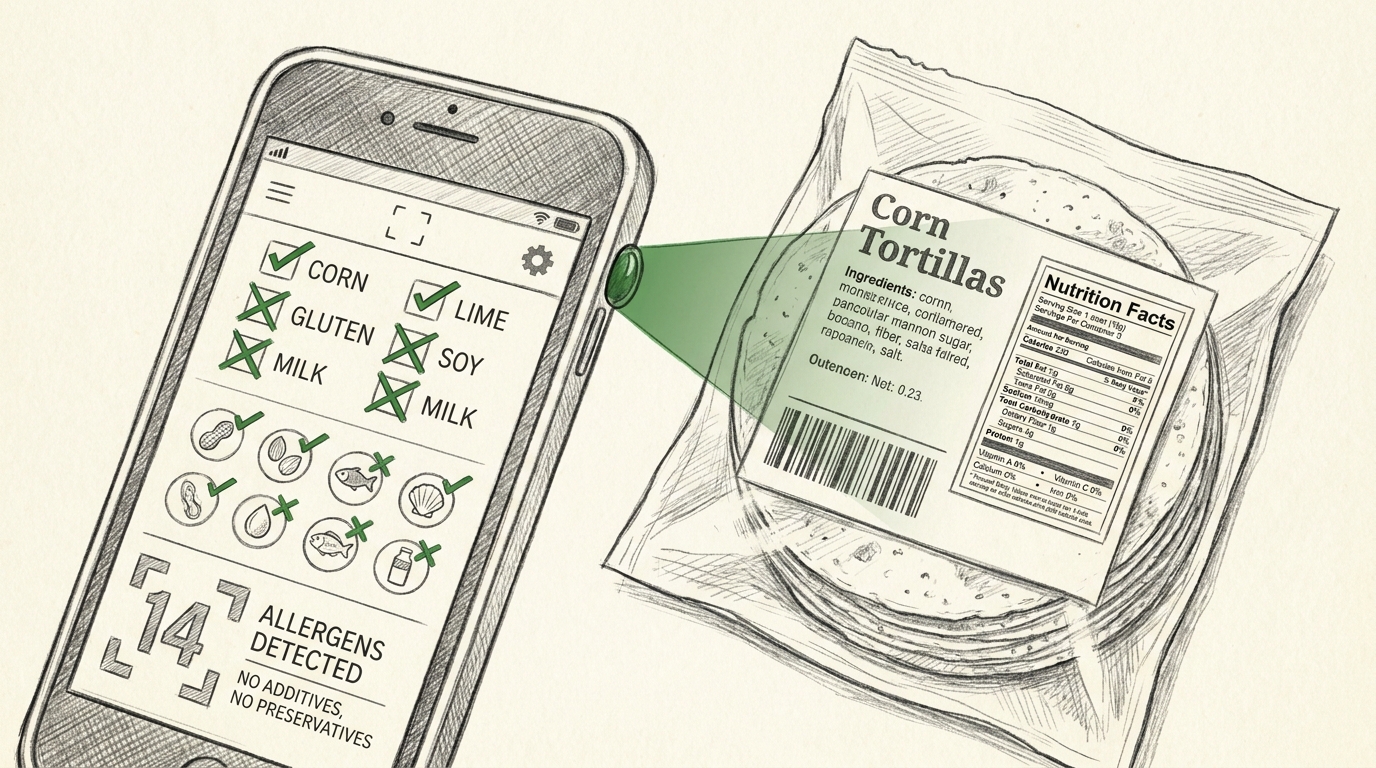
Modern technology simplifies allergen management. Apps that scan barcodes can instantly identify potential allergens, traces, additives, and preservatives in packaged corn tortillas and other products.
These tools help you quickly verify that products meet your dietary requirements, tracking up to 14 different allergens and providing peace of mind when shopping for gluten-free foods snacks and meal components.
Homemade vs. Store-Bought Corn Tortillas
Nutritional Differences
Homemade corn tortillas typically contain fewer additives and preservatives than commercial varieties, though the basic nutritional profile remains similar. Fresh tortillas made from masa harina and water contain essentially the same macronutrients as quality store-bought versions.
The main advantages of homemade tortillas lie in ingredient control and freshness rather than significant nutritional differences. You can eliminate preservatives, control sodium content, and ensure no cross-contamination with allergens.
Cost and Convenience Factors
Store-bought corn tortillas offer convenience and consistency, with prices typically ranging from $2-5 per package. Homemade tortillas require time and a tortilla press but cost less per serving when made in bulk.
For most people, quality store-bought tortillas from brands focusing on simple ingredients provide the best balance of nutrition, convenience, and cost. Reserve homemade preparation for special occasions or when specific dietary needs aren't met by commercial options.
Pairing Corn Tortillas with Nutritious Fillings
Creating Balanced Meals
Corn tortillas serve as an excellent foundation for nutritionally complete meals when paired with appropriate fillings. The key is balancing macronutrients and including plenty of vegetables.
- Protein sources: Grilled chicken, fish, beans, lean beef, or tofu
- Healthy fats: Avocado, olive oil, nuts, or seeds
- Vegetables: Lettuce, tomatoes, peppers, onions, cabbage
- Flavor enhancers: Salsa, lime juice, cilantro, hot sauce
Meal Ideas and Combinations
Versatile corn tortillas adapt to various cuisines and meal occasions. Consider these nutritious combinations that maintain the low-calorie benefits while maximizing nutritional value:
Breakfast tacos: Scrambled eggs, black beans, salsa, and avocado provide protein, fiber, and healthy fats to start your day. This combination offers more balanced nutrition than options like Cinnamon Toast Crunch or other sugary cereals.
Lunch wraps: Grilled chicken or fish with mixed vegetables creates a satisfying midday meal. Compare this to chicken salad nutrition served in bread, and you'll find corn tortillas offer fewer calories with similar satisfaction.
Dinner tacos: Seasoned ground turkey or beef with lettuce, tomatoes, and low-fat cheese provides a complete meal. Track your complete meal nutrition including sides using tools like the Chipotle nutrition info guide.
Special Dietary Considerations and Pet Safety
Vegan and Vegetarian Diets
Traditional corn tortillas are naturally vegan, containing no animal products. This makes them ideal for plant-based diets when paired with beans, vegetables, and plant-based proteins.
Always verify ingredient labels, as some commercial varieties may include lard or other animal-derived ingredients, though this is uncommon in corn tortillas compared to flour varieties.
Pet Food Safety
Pet owners often wonder about sharing human foods with their animals. While corn tortillas aren't toxic to dogs, they offer little nutritional value for pets and should only be given in very small amounts as occasional treats.
For those curious about other human foods and pet safety, questions like "can dogs eat greek yogurt" are common. Greek yogurt, unlike corn tortillas, can actually provide nutritional benefits for dogs when given in moderation, offering protein and probiotics. However, always consult your veterinarian before introducing new foods to your pet's diet.
Corn tortillas pose no immediate danger to dogs but can contribute to weight gain if fed regularly. Focus on species-appropriate foods for optimal pet health rather than sharing human snacks.
Common Myths and Misconceptions
Debunking Corn Tortilla Myths
Several misconceptions about corn tortillas persist despite evidence to the contrary. Understanding the facts helps you make informed dietary decisions.
Myth: All tortillas are high in calories and unhealthy.
Fact: Corn tortillas contain significantly fewer calories than flour tortillas and many bread products, making them a lighter choice for most meals.
Myth: Corn tortillas have no nutritional value.
Fact: Corn tortillas provide fiber, essential minerals like calcium and magnesium, and B vitamins, especially when made through traditional nixtamalization processes.
Myth: You can't eat corn tortillas on a low-carb diet.
Fact: While not zero-carb, corn tortillas can fit into moderate low-carb approaches when portions are controlled and balanced with protein and vegetables.
Understanding "Healthy" in Context
No single food is inherently "healthy" or "unhealthy" in isolation. Corn tortillas become part of a healthy diet when incorporated into balanced meals with appropriate portion sizes and nutritious accompaniments.
The same principle applies to other foods discussed in nutrition guides, from cottage cheese nutrition to restaurant meals. Context, portion size, and overall dietary pattern matter more than individual food choices.
Practical Shopping and Storage Guide
Where to Find Quality Corn Tortillas
Quality corn tortillas are available in most grocery stores, typically in the refrigerated section near dairy products or in the international foods aisle. Specialty stores and gluten free bakery locations often carry premium options with organic or non-GMO certifications.
- Refrigerated section: Fresh tortillas with shorter shelf life
- Shelf-stable section: Packaged tortillas with preservatives for longer storage
- Frozen section: Bulk packages or specialty varieties
- Specialty stores: Organic, non-GMO, or artisan options
- Farmers markets: Fresh, locally-made varieties
Price Comparison and Value
Corn tortillas typically cost less per serving than specialty gluten-free breads or low-carb alternatives. Prices range from $0.10-0.40 per tortilla depending on brand, quality, and location.
Buying in bulk or choosing store brands can reduce costs while maintaining quality. Compare unit prices rather than package prices to find the best value, and check expiration dates to ensure freshness.
Take Control of Your Food Choices
Understanding corn tortilla nutrition info empowers you to make informed decisions that support your health goals and dietary needs. Whether you're managing allergies, following a specific diet, or simply seeking healthier alternatives, corn tortillas offer a versatile, nutritious foundation for countless meals.
The naturally gluten-free, low-calorie profile of corn tortillas makes them suitable for various dietary approaches, from traditional meal planning to specialized allergen management. By choosing quality products, controlling portions, and pairing tortillas with nutritious fillings, you create satisfying meals that align with your nutritional objectives.
Managing food allergies and dietary restrictions doesn't have to be complicated. Modern technology can help you quickly identify allergens, track nutrition, and make confident food choices. Visit Allerwise to discover how our food allergy scanner app helps you easily identify allergens in products by scanning barcodes to detect 14 different allergens, traces, additives, and preservatives—available on both iOS and Android. Take the guesswork out of food shopping and dining out with instant, reliable allergen information at your fingertips.
Start making more informed food choices today. Whether you're preparing tacos at home, ordering at restaurants, or shopping for gluten-free foods snacks, having accurate nutrition information and allergen data ensures you can enjoy your meals with confidence and peace of mind.
Article created using IntentRank